
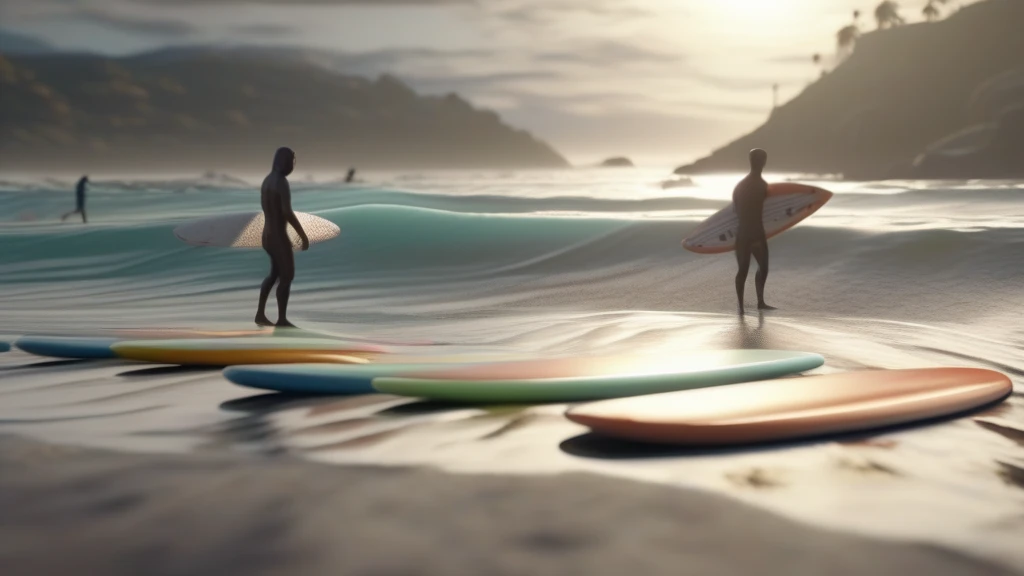
Surfing is a rewarding water sport that blends skill, balance, and an intimate connection with the ocean. For beginners, families, and casual surfers, selecting the right surfboard that matches the wave conditions is crucial to ensuring safety, enjoyment, and progress. This guide explores how to choose beginner-friendly soft top and hybrid surfboards tailored to different wave environments, emphasizing durability, safety, and environmental responsibility.
Understanding Wave Types and Their Impact on Surfboard Choice
Before diving into board features, it’s important to understand how wave characteristics influence your surfing experience:
- Small, gentle waves: Typically found on beginner-friendly beaches, these waves are less than 3 feet high and break slowly.
- Medium, rolling waves: Around 3 to 6 feet, these provide more power and speed but remain manageable for novice to intermediate surfers.
- Fast or hollow waves: Larger, steeper, and faster-breaking waves that require more maneuverability and experience.
Matching your surfboard to these conditions maximizes stability, control, and safety.
Soft Top Surfboards: Ideal for Small to Medium Waves
Soft top boards are the go-to choice for new surfers and families because of their forgiving nature and user-friendly design.
Construction and Design Features
- Durable Foam Core: Soft tops often feature impact-resistant foam cores that absorb bumps and reduce injury risk. This makes them ideal for learning in small, gentle waves where falls are frequent.
- UV-Resistant Skins: These boards come with waterproof, UV-resistant outer layers that prevent sun damage and extend board life, important for frequent use in sunny beach environments.
- Wide and Stable Shapes: A broader nose and tail combined with moderate rocker (curvature) offer excellent stability, helping beginners maintain balance on slow, rolling waves.
- Soft Rails and Protective Layers: The soft edges minimize impact during wipeouts, making these boards safer for children and beginners.
Wave Suitability
Soft top boards excel in small to medium wave conditions where stability and ease of paddling matter most. Their buoyant foam cores provide excellent floatation to catch slow-moving waves, and their wide decks offer confidence for first-timers taking on gentle surf.
Example Use Case
A family visiting a mellow beach with consistent 2-foot waves would benefit from an 8-foot soft top board featuring a tri-fin setup for balanced control. The soft rails reduce injury risk for kids, while the anti-slip deck keeps feet planted even in wet conditions.
Hybrid Surfboards: Versatility for Medium Waves and Beyond
Hybrid surfboards blend the forgiving nature of soft tops with performance elements from traditional hard boards, making them suitable for surfers progressing beyond beginner status.
Key Features
- Composite Construction: Many hybrids use a foam core combined with eco-friendly, recyclable fiberglass or waterproof composites, balancing durability with responsiveness.
- Moderate Rocker Profiles: Slightly increased curvature compared to soft tops allows better maneuverability on faster waves.
- Adjustable Fin Configurations: A common tri-fin (thruster) arrangement offers enhanced control and turn responsiveness, allowing surfers to handle more dynamic medium waves.
- Compact, Streamlined Shapes: Narrower nose and tail designs improve speed and agility, making hybrids adaptable to a variety of wave conditions.
Wave Suitability
Hybrids shine in medium waves ranging from 3 to 6 feet, where surfers benefit from both stability and the ability to perform turns and trim the face of the wave. These boards are ideal for surf schools aiming to bridge students from soft tops to more advanced gear.
Example Use Case
A teenage surfer moving beyond beginner lessons can choose a 7-foot hybrid board with a moderate rocker and tri-fin setup. The eco-friendly composite materials ensure durability through regular school use, while the shape facilitates learning carving techniques on 4-foot waves.
Longboards for Gentle, Rolling Waves and Surf Schools
Longboards are classic, stable surfboards favored for slow, rolling waves and instruction settings.
Characteristics
- Length and Volume: Ranging from 9 to 10 feet or longer, longboards provide ample volume for floatation and stability.
- Soft Top Variants: Many surf schools opt for soft top longboards with foam cores and protective skins to withstand repeated use by novices.
- Wide Nose and Rounded Tails: These features help with paddling efficiency and catching waves early.
- Single or 2-Fin Setups: Simplified fin configurations contribute to smooth, stable rides.
Wave Suitability
Longboards are perfect for small, gentle waves under 3 feet and are particularly beneficial for surf schools and family groups learning basics. Their forgiving nature allows beginners to focus on balance and timing without worrying about complex maneuvers.
Example Use Case
A surf school teaching children on a calm beach may use 9-foot soft top longboards with anti-slip decks and carry handles for easy transport. The boards’ eco-friendly foam cores and UV-resistant skins ensure longevity and environmental responsibility.
Matching Fin Configurations to Wave Conditions and Skill Levels
Fin setups affect how your board handles different waves:
- Single Fin: Offers smooth, stable rides ideal for slow, gentle waves and beginners focusing on balance.
- Twin Fin: Provides increased speed and looseness, suited to small to medium waves for intermediate surfers.
- Tri-Fin (Thruster): Delivers the best all-around control and maneuverability, perfect for medium to fast waves and progression beyond beginner levels.
Many soft top and hybrid boards come with removable fins, allowing users to adapt their setup to changing conditions and skill improvements.
Environmental Considerations in Surfboard Selection
Sustainability is increasingly important in surfing gear. Boards constructed with:
- Recyclable Foam Cores: Reduce environmental impact by enabling reuse.
- Biodegradable Materials: Help minimize ocean pollution.
- UV-Resistant, Waterproof Skins: Extend product lifespan, reducing waste.
- Certifications such as ISO and CE Compliance: Ensure that manufacturing practices meet environmental and safety standards.
Choosing eco-conscious surfboards supports ocean health while providing durable, reliable equipment for novices and families.
Practical Tips for Selecting the Right Board by Wave Type
- Assess Your Local Waves: Visit your local beach at different tides to observe wave height, speed, and break style.
- Prioritize Stability for Small Waves: Soft top boards with wide, stable shapes and low rocker are best for mellow surf.
- Consider Progression: If you plan to improve quickly, hybrids with moderate rocker and tri-fin setups offer versatility.
- Focus on Safety for Kids: Soft rails, anti-slip decks, and impact-resistant foam cores reduce injury risk.
- Check Portability: Boards with carry handles and included bags ease transport, especially for families.
- Look for Sustainability Labels: Choose boards made from eco-friendly materials to support ocean preservation.
- Bundle with Accessories: Beginner-friendly kits often include leashes, wax kits, and repair tools to enhance safety and maintenance.
Conclusion
Selecting the right surfboard for your wave conditions is foundational to a positive surfing experience. For gentle, small waves, soft top boards provide safety, stability, and ease of use, making them perfect for beginners and families. As wave sizes increase and skills develop, hybrid boards offer enhanced maneuverability without sacrificing user-friendliness. Longboards remain invaluable for surf schools and learners on slow, rolling waves.
By understanding wave types and matching them with board features such as foam core materials, rocker profiles, fin configurations, and sustainability credentials, new surfers can confidently choose gear that supports learning, safety, and environmental care. Whether paddling out with kids or progressing through surf lessons, the right board tailored to conditions sets the stage for endless ocean enjoyment.