
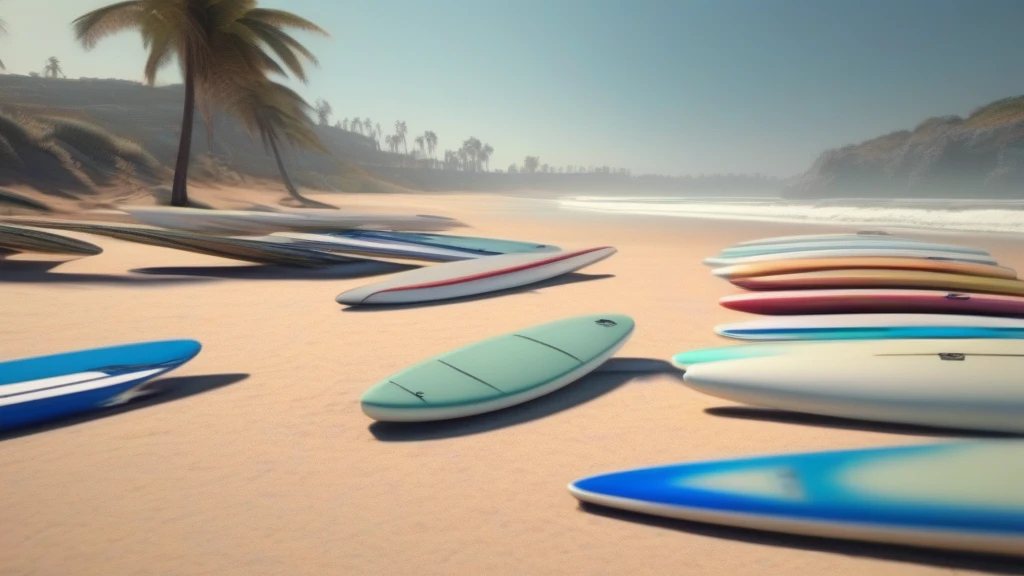
Surfing is an exhilarating way to connect with the ocean, but choosing the right surfboard can be daunting—especially for beginners, families, and casual riders. The surfboard market today offers a range of options designed to prioritize ease of use, safety, and environmental responsibility. This article breaks down the most popular types and styles of beginner-friendly surfboards, focusing on soft top and hybrid models. By understanding their materials, shapes, and features, you’ll be better equipped to select a board that suits your skill level, age, and surfing goals.
Understanding Soft Top and Hybrid Surfboards
Before diving into specific types and styles, it helps to understand the two main categories dominating the beginner and family-friendly market: soft top surfboards and hybrid surfboards.
Soft Top Surfboards
Soft top boards are constructed with a durable foam core covered by a soft, impact-absorbing outer layer. This design greatly reduces the risk of injury, making them ideal for children, beginners, and surf schools. The foam usually consists of a high-density, impact-resistant material that combines safety with buoyancy. Many boards feature UV-resistant skins and waterproof composites to enhance durability and performance in saltwater conditions.
Key characteristics include:
- Wide, stable shapes to promote balance and confidence
- Moderate to low rocker profiles for easier paddling and wave catching
- Soft rails and anti-slip decks to improve grip and safety
- Lightweight construction for portability
- Fin systems ranging from single to tri-fin setups for controllable maneuverability
Hybrid Surfboards
Hybrid surfboards blend features of soft tops with more traditional hard boards. They often incorporate a foam deck over a more rigid core made from eco-friendly, recyclable, or biodegradable materials. This combination provides a balance between safety and performance, appealing to riders who want a bit more responsiveness while still prioritizing ease of use and durability.
Hybrid boards typically feature:
- Slightly narrower shapes than soft tops, enhancing control
- Reinforced rails offering better edge feel without sacrificing safety
- Versatile fin configurations for adaptability in various wave types
- Sustainable materials that meet ISO and CE certifications
Comparing Key Types and Styles
Let’s explore the main surfboard sub-categories within the soft top and hybrid realm, highlighting their unique features and ideal users.
1. Kids’ Soft Top Boards
Designed For: Young beginners and children learning to surf
Characteristics:
- Smaller dimensions (often 4 to 6 feet) for easier handling by kids
- Extra thick foam cores for maximum buoyancy and impact protection
- Rounded noses and soft rails to minimize injury risks
- Bright, fun colors and graphics to engage younger users
- Lightweight and easy to carry, often with built-in handles
Why Choose Them: These boards prioritize safety and stability to build confidence in young surfers. Their soft, cushioned surfaces reduce the chance of scrapes, while the stable shapes help kids catch waves sooner.
2. Family-Friendly Hybrid Boards
Designed For: Families and casual surfers seeking versatility
Characteristics:
- Medium length (6 to 7 feet), balancing stability and maneuverability
- Combination of foam decks with rigid, sustainable cores
- Moderate rocker profiles for smooth wave entry and control
- Soft rails for forgiving handling and safer falls
- Eco-conscious materials such as biodegradable foam and recyclable skins
Why Choose Them: Hybrid boards offer a step up in performance without compromising safety. Their environmentally responsible construction appeals to families wanting to minimize their surf footprint while enjoying diverse wave conditions.
3. Longboards for Surf Schools
Designed For: Surf schools and beginners focusing on learning fundamentals
Characteristics:
- Lengths typically 8 to 9 feet or longer to maximize stability
- Wide, flat shapes with low rocker profiles for easy paddling
- Soft top construction with anti-slip decks for safety during lessons
- Single or 2+1 fin setups providing predictable, gentle turns
- Durable layers designed to withstand repeated use and transport
Why Choose Them: These boards facilitate skill development by providing a stable platform and forgiving ride. Their long length enables surfers to catch smaller waves effortlessly, making them perfect for surf schools and instructors.
4. Compact Performance Soft Tops
Designed For: Beginners wanting a more dynamic surfing experience
Characteristics:
- Shorter lengths (5 to 6 feet) with slightly narrower widths
- Moderate rocker for enhanced maneuverability on steeper waves
- Tri-fin systems for improved control and sharper turns
- Soft, impact-absorbing materials ensuring safety without bulk
- Lightweight designs suitable for travel and easy transport
Why Choose Them: These boards suit novices ready to progress beyond the basics, offering a balance between soft top safety and more responsive handling. Compact performance soft tops let riders experiment with turns and speed while maintaining confidence.
Materials and Environmental Considerations
An increasingly important aspect of surfboard selection is sustainability. Many soft top and hybrid boards are now crafted using eco-friendly materials, such as:
- Recyclable polyethylene skins that reduce plastic waste
- Biodegradable foam cores made from plant-based or less toxic substances
- Waterproof composites that extend board life, reducing the need for replacements
Look for products with ISO and CE certifications, which confirm compliance with safety and environmental standards. These certifications ensure the board’s materials and manufacturing processes meet stringent quality criteria, contributing to safer surfing and a healthier planet.
Safety Features to Prioritize
When selecting a beginner or family surfboard, safety should be paramount. Key features to consider include:
- Soft rails and deck padding: Minimize cuts and bruises during wipeouts
- Anti-slip surfaces: Help maintain footing even when wet
- Impact-resistant foam cores: Absorb shocks and protect users from hard collisions
- Rounded noses: Prevent sharp edges that could cause injury
- Leash compatibility: Essential for board control and preventing runaway boards
These elements collectively create a safer learning environment, reducing apprehension and promoting longer, more enjoyable sessions in the water.
Practical Tips for Choosing Your First Surfboard
- Match board size to your weight and height: Larger boards provide more stability for heavier or taller riders. Kids should have proportionally smaller boards for ease of handling.
- Consider wave conditions: Soft tops with low rocker excel in small, gentle waves, while hybrids and compact performance boards handle a wider range of conditions.
- Evaluate portability: If you plan to travel or carry your board frequently, look for lightweight models with handles or included carry bags.
- Check included accessories: Beginner packages often bundle leashes, fins, wax kits, and repair kits to support your surfing journey.
- Prioritize sustainability: Choose boards made with recyclable or biodegradable materials to reduce environmental impact.
Conclusion
Choosing the right surfboard as a beginner or family surfer means balancing safety, ease of use, and environmental responsibility. Soft top boards excel in providing a forgiving, stable platform perfect for kids and novices, while hybrid boards offer a versatile upgrade with eco-friendly materials and enhanced performance. Longboards remain a staple for surf schools focused on foundational skills, and compact performance soft tops appeal to those ready to explore more dynamic surfing.
By understanding the unique features and benefits of each type and style, you can confidently select a surfboard that makes your time on the waves safer, more enjoyable, and aligned with your values. Whether you’re paddling out for the first time or introducing your family to surfing, the right board is your key to a rewarding ocean experience.