
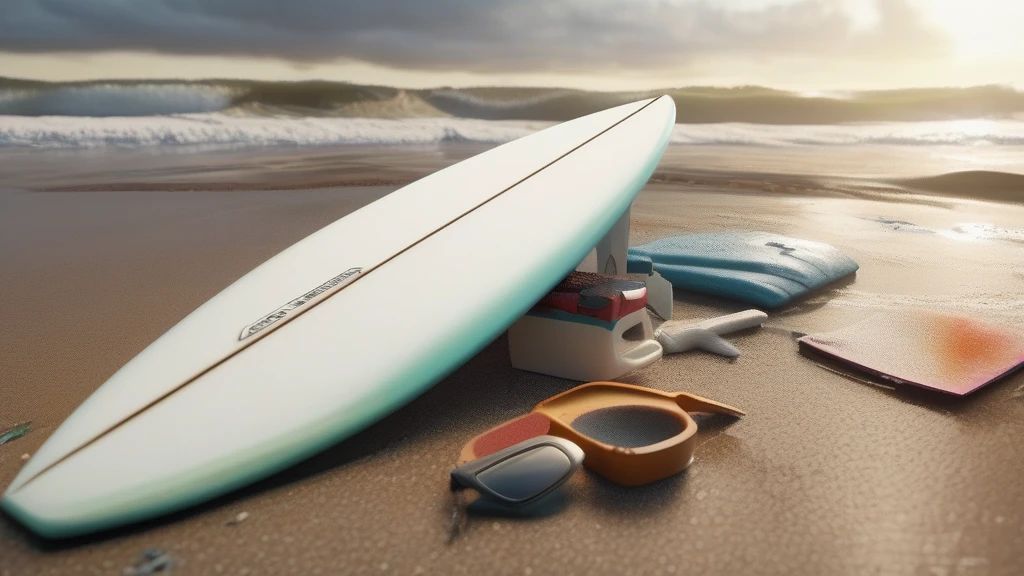
Surfing is a thrilling sport that connects you with the ocean’s energy, but it also comes with the risk of damaging your board. Dings, cracks, and scratches can quickly turn a perfect wave into a frustrating experience if your surfboard isn’t in top shape. That’s where surfboard repair kits come in—essential gear for surfers who want to maintain and extend the life of their boards, stay wave-ready, and avoid costly professional repairs.
In this article, we dive into a head-to-head comparison of different types and styles of surfboard repair kits. By understanding the materials, designs, and usability factors, you’ll be better equipped to choose the right repair solution for your specific needs—whether you’re a beginner catching your first waves or a seasoned pro traveling the globe.
Understanding the Basics: What’s in a Surfboard Repair Kit?
Before comparing types, it’s important to understand what these kits generally contain and their intended use:
- Resins and Hardeners: The core repair materials. High-quality kits use either epoxy or polyester resins, often paired with hardeners that catalyze quick drying and strong bonding.
- Fiberglass Cloth or Patches: Used to reinforce repaired areas, especially for larger dings or cracks.
- Sandpaper: For smoothing the repair surface before and after resin application.
- Mixing Tools: Small spatulas or mixing cups for precise resin preparation.
- Additional Items: Some kits include gloves, colorants for matching, or instructions to guide the repair process.
Kits are designed for quick, on-site repairs, allowing surfers to fix minor to moderate damage without waiting days for professional service. Many are compact and portable, ideal for beach trips or remote surf spots.
Type 1: Epoxy-Only Repair Kits
Characteristics and Use
Epoxy repair kits are formulated specifically for epoxy surfboards, which are popular for their durability and lighter weight. Epoxy resin is waterproof, highly adhesive, and provides a strong, flexible finish. These kits usually include:
- Waterproof epoxy resin and hardener
- Fiberglass cloth or patches compatible with epoxy
- Quick-drying formulas (often within 30 minutes to an hour)
- Vibrant color options for easy visibility and matching
Pros
- Superior Durability: Epoxy resin bonds tightly and remains flexible, reducing the risk of re-cracking.
- Water Resistance: Ideal for wet conditions and saltwater exposure.
- Eco-Friendly Options: Many epoxy kits now emphasize environmentally responsible formulations.
- Lightweight Repairs: Maintains the board’s original performance characteristics.
Cons
- Not Compatible with Polyester Boards: Using epoxy on polyester surfboards can cause bonding failures.
- Slightly More Complex Application: Requires precise mixing ratios for best results.
Best For
- Owners of epoxy surfboards looking for durable, waterproof, and quick repairs.
- Surfers who want to minimize downtime during trips or sessions.
Type 2: Polyester-Only Repair Kits
Characteristics and Use
Polyester repair kits cater to traditional polyester (PU) surfboards, which remain popular due to their classic feel and affordability. These kits typically contain:
- Polyester resin and MEKP (methyl ethyl ketone peroxide) hardener
- Fiberglass cloth designed for polyester applications
- Sandpaper and mixing tools
- Tinted or clear resin options
Pros
- Excellent for Polyester Boards: Matches original materials, ensuring a strong bond.
- Faster Curing Times: Many polyester resins cure rapidly, sometimes within 15-30 minutes.
- Widely Available and Affordable: Polyester repair kits are common and budget-friendly.
- Good for Larger Repairs: Fiberglass cloth patches reinforce cracks effectively.
Cons
- Less Flexible: Polyester repairs can be more brittle, leading to potential cracking under stress.
- Environmental Concerns: Polyester resins often contain volatile organic compounds (VOCs) and are less eco-friendly.
- Not Suitable for Epoxy Boards: Can cause delamination if applied incorrectly.
Best For
- Surfers with polyester boards needing quick, compatible repairs.
- Those focused on cost-efficiency and easy availability.
Type 3: Dual-Material Kits (Epoxy + Polyester)
Characteristics and Use
Dual-material kits are versatile repair kits designed to cover both epoxy and polyester surfboards. They typically include:
- Separate epoxy and polyester resin components
- Dual hardeners
- Fiberglass cloth compatible with both materials
- Comprehensive instructions for use with either board type
Pros
- Versatility: One kit serves multiple board types, ideal for families or mixed equipment.
- Convenience: Reduces the need to carry multiple kits on trips.
- Balanced Performance: Provides options to choose the best resin for specific repairs.
Cons
- More Complex to Use: Requires understanding which resin to use and when.
- Potentially Higher Cost: Combined components may increase price.
- Bulkier Kits: May have more items, affecting portability.
Best For
- Surfers who own both epoxy and polyester boards.
- Travelers and surf schools needing flexible repair options.
Comparing Key Features Across Kit Types
| Feature | Epoxy-Only Kits | Polyester-Only Kits | Dual-Material Kits |
|---|---|---|---|
| Board Compatibility | Epoxy boards only | Polyester boards only | Both epoxy and polyester |
| Resin Durability | High flexibility and water resistance | Rigid but quick curing | Depends on resin chosen |
| Eco-Friendliness | Increasingly environmentally focused | Generally less eco-friendly | Varies by resin type included |
| Ease of Use | Moderate (mixing precision needed) | Easy (fast curing, widely understood) | Moderate (requires resin choice knowledge) |
| Repair Speed | Quick drying (30-60 minutes) | Faster curing (15-30 minutes) | Varies depending on resin |
| Portability | Compact | Compact | Bulkier due to dual components |
| Cost-Effectiveness | Moderate to high | Usually budget-friendly | Moderate to high |
Practical Tips for Choosing the Right Repair Kit
1. Identify Your Board Type
Knowing whether your surfboard is epoxy or polyester is critical. Using the wrong resin can worsen damage.
2. Consider Your Repair Needs
- For minor dings and scratches, a simple epoxy kit or polyester kit might suffice.
- For larger cracks requiring reinforcement, look for kits that include fiberglass cloth or patches.
3. Evaluate Portability and Convenience
If you travel frequently or surf remote spots, prioritize compact, all-in-one kits that are easy to carry.
4. Prioritize Eco-Friendly Options
Look for ISO-certified kits with low VOC emissions and environmentally responsible formulations, helping protect the oceans you surf.
5. Factor in Skill Level
Choose user-friendly kits with clear instructions if you’re a beginner. Professional-grade kits might offer superior results but require more expertise.
Conclusion: Finding Your Perfect Surfboard Repair Kit
Maintaining your surfboard with the right repair kit keeps you riding longer, saves money, and minimizes interruptions. Whether you prefer the durable flexibility of epoxy-only kits, the traditional compatibility of polyester-only kits, or the versatility of dual-material kits, understanding the core features and applications will help you make an informed choice.
Remember, the best repair kit is one that matches your board type, repair needs, and lifestyle—allowing you to quickly fix dings and get back to enjoying the waves with confidence.
Happy surfing and safe repairs!