
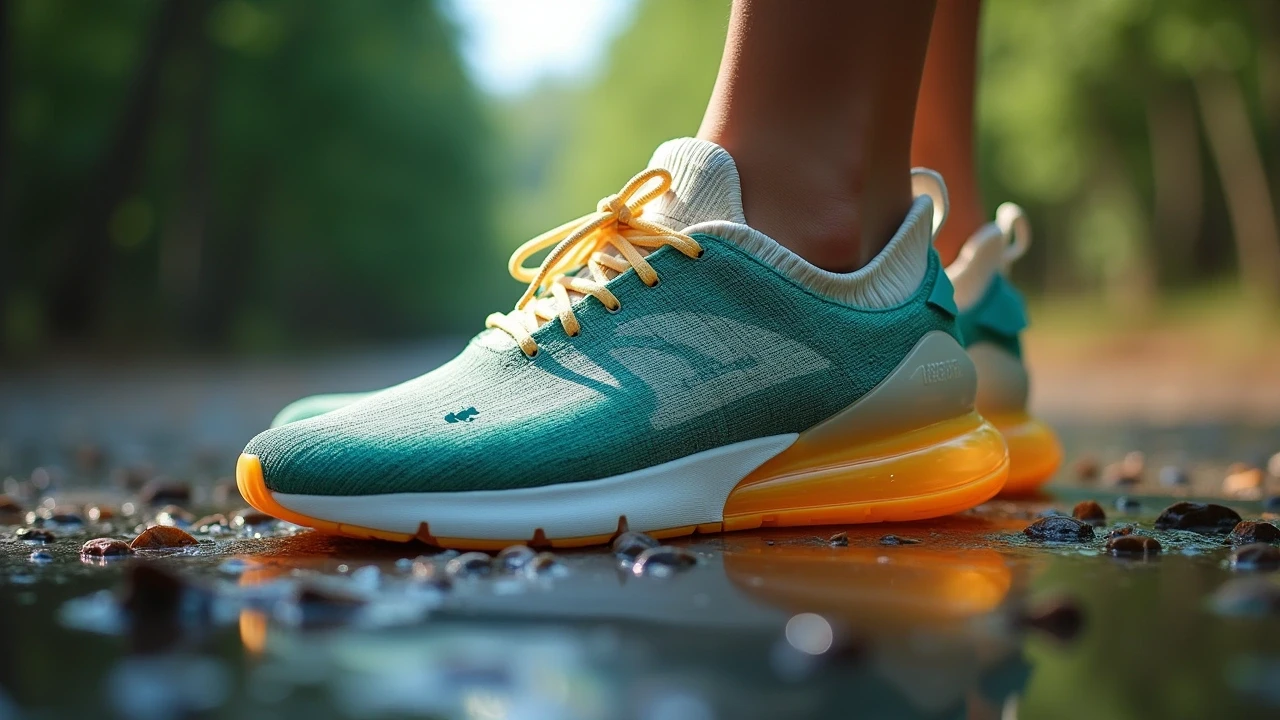
In recent years, sustainability has become a driving force in the fashion and footwear industries. Among the most notable shifts is the rise of sustainable sneakers—footwear designed not only to meet lifestyle demands for comfort, style, and performance but also to reduce environmental impact. As consumers increasingly prioritize eco-conscious choices, sneaker manufacturers are innovating with materials and processes that align with these values. This article explores how eco-friendly materials are transforming the sneaker landscape across different sub-categories, from urban streetwear to water shoes and casual slip-ons.
The Growing Need for Sustainable Footwear
Traditional sneaker production often involves resource-intensive processes, synthetic materials derived from fossil fuels, and chemical treatments that leave a significant carbon footprint. With footwear being a staple in daily life, the environmental cost accumulates quickly. Sustainable sneakers aim to mitigate these issues by incorporating renewable, recyclable, and biodegradable components while maintaining high performance and style standards.
The challenge lies in balancing durability, comfort, and functionality with environmental responsibility. Fortunately, advances in materials science and design have enabled brands to create products that appeal to active consumers without compromising the planet.
Eco-Friendly Materials Revolutionizing Sneakers
Several innovative materials are now at the forefront of sustainable sneaker design. These materials not only reduce environmental harm but also enhance the shoes' performance and longevity.
Recycled Polyester and Nylon
Produced from post-consumer plastic waste like water bottles or fishing nets, recycled polyester and nylon reduce landfill contributions and the need for virgin petroleum-based fibers. These fabrics are often used in uppers and linings, offering breathability and quick-drying properties essential for water shoes and casual slip-ons alike.
Organic Cotton and Hemp
Natural fibers such as organic cotton and hemp require less water and pesticides during cultivation compared to conventional cotton. They provide a breathable, biodegradable option for sneaker uppers and linings, contributing to comfort and lower ecological impact, especially in casual and urban sneaker styles.
Eco-Friendly EVA Foam and Rubber Alternatives
Ethylene Vinyl Acetate (EVA) foam is widely used in midsoles for cushioning and shock absorption. Eco-friendly variants now incorporate bio-based or recycled materials to reduce carbon emissions. Similarly, natural rubber and plant-based alternatives are gaining traction for durable, non-slip outsoles that maintain traction without relying on petrochemicals.
Cork and Mushroom Leather
Innovative natural materials like cork and mushroom-derived leather offer sustainable substitutes for traditional synthetic or animal-based leathers. These materials provide water resistance, flexibility, and a unique aesthetic, particularly appealing in casual slip-ons and urban sneakers.
Non-Toxic Coatings and Dyes
Sustainable footwear also emphasizes the use of water-based or low-impact dyes and coatings to minimize toxic runoff and chemical exposure. These finishes maintain durability and color vibrancy while aligning with environmentally friendly manufacturing standards.
Sustainable Sneakers Across Sub-Categories
The application of eco-friendly materials varies depending on the sneaker type and intended use, reflecting the unique performance and style requirements of each sub-category.
Water Shoes and Barefoot Shoes
Designed for aquatic activities and rugged outdoor environments, water shoes demand quick-drying, breathable, and non-slip properties. Sustainable versions utilize recycled polyester mesh uppers for rapid drainage and ventilation, coupled with eco-friendly EVA midsoles that resist waterlogging and provide cushioning.
Recycled rubber outsoles with enhanced grip patterns offer traction on wet surfaces, while protective toe caps made from biodegradable TPU (thermoplastic polyurethane) shield feet without harmful chemicals. The integration of cork insoles adds natural antimicrobial properties and comfort during extended wear.
Urban Sneakers and High-Tops
Urban sneakers blend style and functionality for everyday city life, skateboarding, and athleisure. Sustainable iterations feature organic cotton blends or recycled nylon uppers with sleek designs that appeal to fashion-conscious consumers.
Arch support and ergonomic insoles crafted from bio-based foams promote foot health, while outsoles made from natural rubber provide durability and slip resistance. Water-based adhesives and low-impact dyes ensure that the manufacturing process minimizes environmental harm without sacrificing aesthetics or performance.
Casual Slip-Ons and Low-Tops
For casual wearers valuing convenience and breathability, slip-ons and low-tops crafted from hemp or organic cotton offer lightweight comfort. Breathable recycled polyester linings and ventilation-enhanced designs reduce moisture buildup and overheating.
Adjustable elastic closures and ergonomic footbeds made from sustainable foams ensure a personalized fit. The use of mushroom leather accents or cork footbeds adds a touch of natural style while reinforcing environmental responsibility.
Benefits Beyond Sustainability: Performance and Comfort
While sustainability is the headline, eco-friendly sneakers also deliver on critical performance attributes that consumers expect.
- Breathability and Moisture Management: Materials like recycled polyester mesh and natural fibers facilitate airflow, keeping feet dry and comfortable during various activities.
- Durability and Protection: Biodegradable TPU toe caps and natural rubber soles resist wear and provide safety without toxic chemicals.
- Ergonomics and Support: Bio-based cushioned insoles and flexible midsoles adapt to natural foot movement, reducing fatigue and enhancing comfort.
- Versatility: Sustainable sneakers often feature minimalist designs and color options that transition seamlessly from casual outings to athletic pursuits.
How Consumers Can Identify Sustainable Sneakers
When shopping for eco-friendly sneakers, buyers should look for key indicators that confirm sustainability without compromising quality:
- Material Transparency: Brands that disclose the percentage of recycled, organic, or bio-based content in their shoes demonstrate accountability.
- Certifications and Standards: Look for certifications such as Global Recycled Standard (GRS), OEKO-TEX, or bluesign® that verify environmental and social compliance.
- Durability Claims: Sustainable shoes should be built to last, reducing the need for frequent replacements.
- Manufacturing Practices: Information about low carbon emissions, water usage reduction, and ethical labor practices indicates a holistic sustainability approach.
The Future of Sustainable Sneakers
As consumer demand for eco-friendly products grows, the sneaker industry is poised for continued innovation. Emerging technologies like biodegradable midsoles, plant-based adhesives, and closed-loop recycling systems promise to further reduce environmental impact.
Moreover, the convergence of sustainability with cutting-edge design and performance ensures that eco-friendly sneakers will not only appeal to environmentally conscious shoppers but also to those seeking high-quality, versatile footwear.
Conclusion
Sustainable sneakers represent a meaningful evolution in footwear, addressing the urgent need for environmentally responsible products without sacrificing style, comfort, or performance. Through the adoption of recycled materials, natural fibers, and low-impact manufacturing, these shoes are setting new standards across water shoes, urban sneakers, and casual slip-ons alike.
For consumers looking to make informed, eco-conscious footwear choices, understanding the materials and features behind sustainable sneakers is key. Embracing these innovations supports a healthier planet while enjoying the benefits of modern, functional, and stylish shoes designed for active lifestyles.