
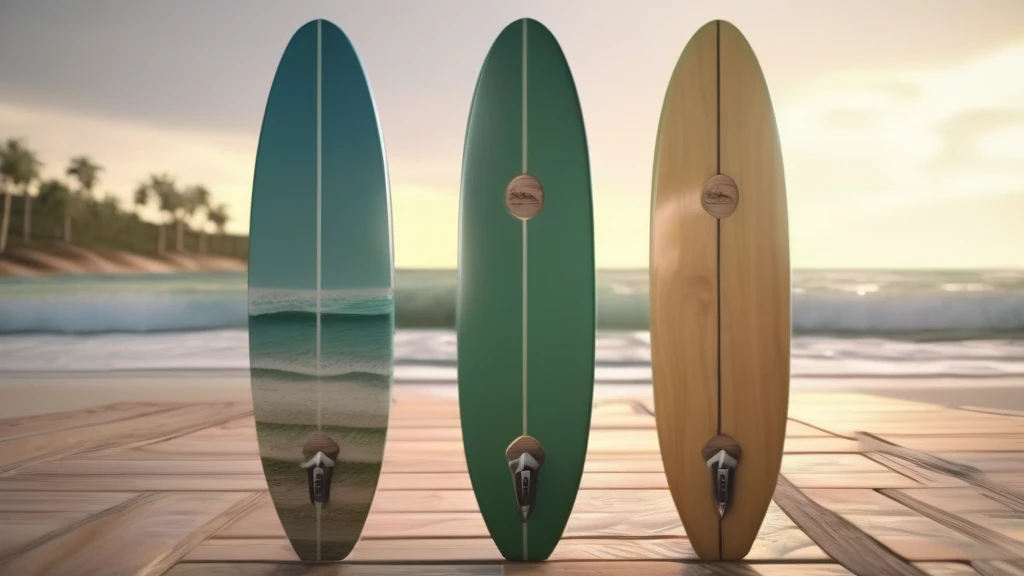
Surfing is not just a sport; it’s a lifestyle deeply connected to the ocean and nature. As awareness of environmental issues grows, many surfers are seeking ways to reduce their ecological footprint—starting with the gear they choose. Longboard surfboards, known for their smooth rides and versatility, are no exception. Fortunately, the market has responded with a range of sustainable, eco-friendly materials and manufacturing practices that minimize environmental impact without compromising performance.
In this article, we’ll explore the top eco-friendly materials used in longboard surfboards, how these sustainable options compare to traditional boards, and what to look for when selecting a longboard that supports ocean-friendly surfing.
Understanding the Environmental Impact of Surfboard Production
Traditional longboards are often constructed using polyurethane (PU) foam cores wrapped in fiberglass cloth and polyester resin. While these materials offer durability and performance, they have significant environmental drawbacks:
- Non-biodegradability: PU foam and polyester resins don’t break down easily, leading to landfill waste when boards are discarded.
- Toxic emissions: Manufacturing and curing polyester resins release volatile organic compounds (VOCs), contributing to air pollution.
- Resource intensity: The production of synthetic foams and fiberglass consumes petroleum-based resources.
Transitioning to eco-conscious materials and processes addresses these challenges by reducing waste, lowering carbon emissions, and using renewable or recyclable components.
Top Eco-Friendly Materials in Longboard Surfboards
1. Recycled EPS Foam Cores
Expanded Polystyrene (EPS) foam is a lightweight alternative to traditional PU foam. When sourced from recycled EPS or manufactured with a closed-cell process, it offers several environmental benefits:
- Lower toxicity: EPS foam pairs with epoxy resin, which has fewer VOCs than polyester resin.
- Recyclability: Some manufacturers reclaim scrap EPS foam, reducing waste.
- Lightweight and durable: EPS cores contribute to buoyancy and impact resistance.
2. Bio-Based and Plant-Derived Resins
Replacing petroleum-based resins with bio-based alternatives from plant oils or natural materials reduces carbon footprints:
- Soy-based epoxy: Derived partially from soybean oil, this resin reduces reliance on fossil fuels.
- Linen and hemp reinforcement: Using natural fibers instead of fiberglass lowers energy usage and improves biodegradability.
- Water-based resins: Some eco-resins utilize water as a solvent instead of harmful chemicals.
3. Sustainable Wood and Bamboo Components
Wood has a long history in surfboard construction. Modern sustainable boards incorporate responsibly harvested wood or fast-growing bamboo:
- Wood stringers: Thin wooden strips integrated into foam cores add strength and stiffness naturally.
- Full wooden decks: Some longboards feature entire wooden decks or skins, enhancing durability and aesthetics.
- Bamboo laminates: Bamboo’s rapid growth makes it a renewable alternative, often used in laminates or veneers.
4. Recycled and Recyclable Deck Materials
Many brands are innovating with recyclable deck materials:
- Recycled PET cloth: Made from repurposed plastic bottles, this fiberglass alternative offers strength while diverting plastic waste.
- Thermoplastic resins: Unlike traditional thermosetting resins, thermoplastics can be melted down and remolded, enabling board recycling.
5. Low-Impact Paints and Coatings
Eco-conscious longboards often feature UV-resistant coatings and paints that are:
- Water-based: Minimizing harmful solvents.
- Non-toxic: Safe for surfers and the environment.
- Durable: Extending board life to reduce replacement frequency.
How Sustainable Materials Affect Longboard Performance
One common concern is whether eco-friendly boards can match traditional ones in performance. Advances in materials science and manufacturing have narrowed this gap considerably:
- Weight: Recycled EPS and bio-resins often result in lighter boards, enhancing maneuverability and ease of paddling.
- Durability: Natural fiber reinforcements and wood components improve impact resistance and longevity.
- Flexibility: Sustainable composites can be engineered to provide tailored flex patterns, important for noseriding and freestyle maneuvers.
- Environmental conditions: UV-resistant coatings protect boards from sun damage without toxic chemicals.
In many cases, surfers report that eco-friendly longboards feel just as responsive and stable as conventional ones, proving sustainability need not come at the expense of ride quality.
What to Look for When Choosing an Eco-Friendly Longboard
When researching sustainable longboards, consider these key factors:
1. Material Transparency
Choose brands that clearly disclose the materials and processes used in their boards. Look for information about:
- Foam core type and recyclability
- Resin composition (bio-based vs. petroleum-based)
- Reinforcement fibers (natural vs. synthetic)
- Certifications or environmental standards met
2. Manufacturing Practices
Eco-conscious brands often adopt:
- Low-waste production methods
- Use of renewable energy in factories
- Recycling of scrap materials
- Water-based or low-VOC paints and adhesives
3. Board Design for Longevity
Sustainable surfing also means buying boards designed to last longer, reducing waste:
- Reinforced edges and impact zones
- UV-resistant coatings
- Repair kits and modular fin setups to extend usability
4. Certifications and Eco-Labels
Look for third-party certifications such as ISO environmental standards or eco-labels specific to surf gear. These validate a brand’s commitment to sustainability and safety.
5. Community and Brand Values
Supporting companies that prioritize ocean conservation, ethical labor, and environmental education helps amplify positive impact beyond just the product.
Supporting the Future of Sustainable Surfing
The movement toward eco-friendly longboards is growing, with more surfers recognizing the connection between protecting the ocean and enjoying it. By choosing boards made from recycled EPS foam, bio-based resins, sustainable woods, and recyclable components, surfers can minimize their footprint while enjoying excellent performance.
In addition to selecting sustainable materials, maintaining your longboard properly and opting for repair over replacement further contribute to a greener surf lifestyle.
Sustainable surfing is about balance—embracing innovation and tradition, performance and preservation. With continued advances in eco-friendly materials and manufacturing, the future looks bright for longboard surfers who want to ride waves responsibly and respectfully.
Whether you’re a beginner looking for a stable, eco-conscious soft top or an advanced surfer seeking a classic noserider crafted with sustainable materials, the options today are better than ever. By understanding the materials and manufacturing behind your longboard, you can make informed choices that honor both your passion for surfing and your commitment to the planet.