
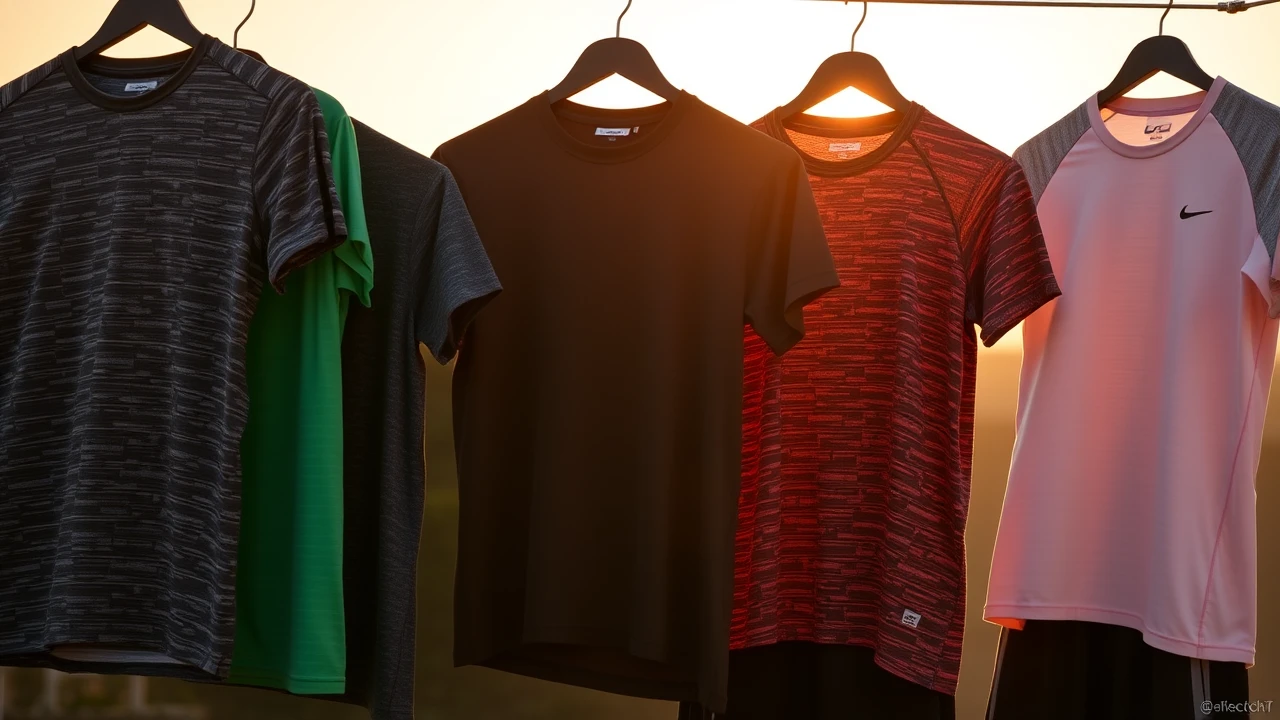
Activewear t-shirts have become a wardrobe staple far beyond the gym. Whether you’re hitting the trail, traveling for work, or simply seeking comfortable and stylish casual wear, today’s activewear tops blend performance-driven features with modern aesthetics and sustainability. But with so many options available—from organic cotton basics to high-tech Merino wool blends—how do you choose the right t-shirt for your needs?
This comprehensive comparison explores the different types and styles of activewear t-shirts, focusing on their materials, designs, technical features, and ideal uses. By breaking down the strengths and trade-offs of each category, you’ll be empowered to select activewear that perfectly balances comfort, function, and eco-consciousness for your lifestyle.
Understanding Activewear T-Shirt Materials
Material choice is the foundation of performance and comfort in activewear tops. The market has expanded beyond traditional cotton to include innovative natural and synthetic fabrics engineered for moisture management, durability, and environmental responsibility.
Organic Cotton: Softness Meets Sustainability
Organic cotton t-shirts are prized for their natural softness and breathability. Grown without harmful pesticides and often certified by GOTS (Global Organic Textile Standard), these shirts appeal to eco-conscious consumers looking for comfort and sustainability. Organic cotton excels in casual and office-appropriate activewear styles, especially when blended with a small percentage of spandex for added stretch.
Pros:
- Soft, natural feel against the skin
- Biodegradable and produced with low chemical impact
- Good breathability and moderate moisture absorption
Cons:
- Dries slower than synthetic fabrics
- Less abrasion-resistant, so may wear faster with intense use
Bamboo and Rayon Blends: Eco-Friendly and Ultra-Soft
Bamboo-derived rayon fabrics combine natural origin with silky texture and enhanced moisture-wicking capabilities. These t-shirts often feature odor resistance and UV protection, making them ideal for travel and outdoor activities. Their smooth hand feel and drape also lend well to relaxed or tunic-style tops.
Pros:
- Naturally antibacterial and odor-resistant
- Lightweight and breathable with good moisture control
- Sustainable cultivation with low water use
Cons:
- Rayon production can involve chemical processing (look for Oeko-Tex certification)
- Less durable than synthetic blends under heavy abrasion
Merino Wool: Natural Performance Powerhouse
Merino wool activewear t-shirts stand out for their exceptional temperature regulation, odor resistance, and moisture management. Unlike traditional wool, Merino fibers are fine and soft, preventing itchiness and making these shirts suitable for both high-intensity workouts and casual wear. Their inherent UV protection and wrinkle resistance make them a versatile choice for travel and outdoor adventures.
Pros:
- Excellent breathability and moisture-wicking
- Natural odor control, reducing the need for frequent washing
- Temperature adaptive—warm in cold, cool in heat
Cons:
- Higher price point
- Requires more delicate care compared to synthetics
Synthetic Blends: Durability and Quick-Dry Performance
Polyester and spandex blends dominate activewear for their superior stretch, durability, and fast-drying properties. These tops often incorporate abrasion-resistant textiles and ventilated panels to maximize airflow during workouts. Innovations include wrinkle- and stain-resistant finishes and low-impact dyeing processes to reduce environmental footprint.
Pros:
- Superior stretch and shape retention
- Quick-drying and moisture-wicking for all-day comfort
- Durable with abrasion and tear resistance
Cons:
- Typically less breathable than natural fibers
- Environmental concerns if not produced with sustainable practices
Style and Fit: Matching Functionality with Aesthetics
Beyond materials, the fit and style of activewear t-shirts significantly influence comfort, mobility, and versatility. Understanding the differences helps in selecting a top that suits your activity and personal style.
Athletic and Slim Fits: Performance-Driven Design
Athletic cuts are tailored to hug the body, reducing excess fabric that can hinder movement during exercise. These styles often incorporate stretch panels and flatlock seams to minimize chafing. They are ideal for running, gym workouts, and mountain hiking, where unrestricted mobility and moisture control are critical.
Key features:
- Close-fitting but stretchy fabric blends
- Ventilated or mesh zones for breathability
- Reflective details for low-light safety
Relaxed and Oversized Fits: Comfort and Casual Versatility
For travel or casual wear, relaxed or oversized t-shirts offer freedom of movement and a laid-back aesthetic. Tunic lengths and drape-enhancing fabrics like bamboo rayon blends provide coverage and softness suited for long flights, office environments, or weekend outings. Look for wrinkle-resistant finishes to maintain a polished look throughout the day.
Key features:
- Roomy cuts with soft, breathable fabrics
- Wrinkle and stain-resistant treatments
- Multi-functional styling to transition from casual to semi-professional settings
Hybrid Styles: Sport Meets Street
Many activewear tops now blur the line between athletic and casual, incorporating sleek designs with technical fabric benefits. These hybrid styles allow wearers to move seamlessly from workouts to social or professional contexts with confidence.
Key features:
- Modern cuts with subtle branding and minimal seams
- Advanced moisture management and odor control
- UV protection and antimicrobial finishes for all-day freshness
Specialized Features: Enhancing Function and Sustainability
Modern activewear t-shirts go beyond basic fabric choices and fit to include cutting-edge features that enhance performance and environmental responsibility.
Moisture-Wicking and Quick-Dry Technology
Activewear fabrics equipped with moisture-wicking fibers pull sweat away from the skin to the fabric surface, where it evaporates quickly. This keeps you dry, reduces irritation, and prevents the clammy feeling during long workouts or travel days.
UV Protection
For outdoor enthusiasts, UV-protective activewear t-shirts block harmful rays, helping to prevent sunburn and skin damage. Materials with built-in UPF ratings are increasingly common in hiking and running styles.
Odor Resistance
Antimicrobial treatments or natural fiber properties (like Merino wool or bamboo) inhibit bacteria growth, reducing unpleasant odors and the need for frequent washing—a boon for travelers and busy professionals.
Durability and Abrasion Resistance
High-quality activewear often features reinforced stitching, tear-resistant fabrics, and abrasion-resistant panels to extend garment life, especially under rugged outdoor conditions.
Sustainability Certifications
Look for certifications like GOTS, Oeko-Tex, ISO, and ASTM that verify organic fiber content, non-toxic dyes, and ethical manufacturing processes. Brands committed to low carbon footprints and eco-friendly production help reduce environmental impact.
Choosing the Right Activewear T-Shirt for Your Lifestyle
For Fitness Enthusiasts
Opt for synthetic blends or Merino wool tops with athletic fits. Prioritize moisture-wicking, stretchability, and ventilation. Reflective details and abrasion-resistant fabrics add safety and durability.
For Outdoor Adventurers
Merino wool and bamboo blends with UV protection and odor resistance excel here. Relaxed or hybrid fits allow layering and comfortable movement on trails. Durable stitching and quick-dry properties are essential.
For Frequent Travelers
Wrinkle-resistant, odor-resistant bamboo or Merino wool t-shirts in relaxed or hybrid styles provide comfort and versatility. Compact, quick-dry fabrics that pack easily and require minimal care make travel hassle-free.
For Office and Casual Wear
Organic cotton blends with a slight stretch deliver professionalism and comfort. Tunic or relaxed fits with wrinkle-resistant finishes and stain resistance maintain a polished look throughout the day.
Caring for Your Activewear T-Shirts
Proper care maximizes the lifespan and performance of your activewear:
- Wash in cold water to preserve fabric integrity and color
- Use gentle, eco-friendly detergents to protect fibers and certifications
- Avoid fabric softeners which can impair moisture-wicking properties
- Air dry or tumble dry low to prevent shrinkage and maintain shape
- Store folded or hanging to minimize wrinkles, especially for wrinkle-resistant fabrics
Conclusion
Choosing the right activewear t-shirt is a balance of material science, fit, technical features, and sustainability values. Whether you prioritize natural fibers like organic cotton and Merino wool or rely on high-performance synthetic blends, understanding the unique characteristics and ideal use scenarios of each type empowers you to make informed, confident decisions. By selecting versatile, eco-conscious activewear tops tailored to your lifestyle—be it fitness, travel, outdoor adventure, or professional environments—you invest in apparel that supports your goals while respecting the planet.
Remember, the best activewear t-shirt is one that feels great, performs well across your activities, and aligns with your values. Use this guide as a roadmap to discover the perfect fit in the diverse world of activewear t-shirts.