
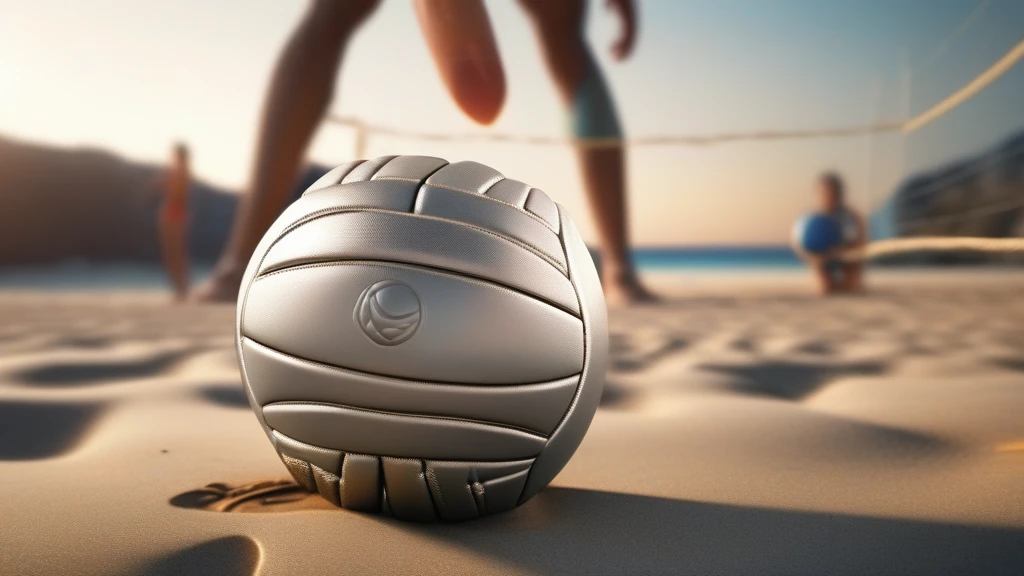
Volleyball is a dynamic sport that demands precision, agility, and exceptional ball handling. Whether you’re a professional athlete competing in tournaments, a coach training a team, or a recreational player enjoying a friendly match, the quality of your volleyball can significantly impact performance. One critical feature that stands out in high-performance volleyballs is the anti-slip surface—a design element that enhances grip and control during play. In this article, we’ll explore the benefits of anti-slip surfaces on volleyballs, how they improve gameplay, and what to consider when choosing a volleyball with this feature.
Why Surface Texture Matters in Volleyballs
Enhancing Grip in Fast-Paced Play
Volleyball involves rapid ball exchanges, quick serves, and strategic spikes that require players to have a firm hold on the ball. A smooth or slick surface can cause the ball to slip, leading to missed passes or unintentional faults. Anti-slip surfaces are engineered with textured materials—such as microfiber composites, synthetic leather with raised patterns, or rubberized coatings—that increase friction between the ball and the player’s hands.
This enhanced grip allows players to execute precise ball handling techniques, from controlled serves to powerful spikes. For example, during a jump serve, the ability to maintain a secure grip without excessive force is crucial for accuracy and speed. The textured surface reduces the likelihood of the ball slipping mid-serve, improving consistency.
Improving Control and Accuracy
Control is a cornerstone of effective volleyball play. Anti-slip surfaces contribute to better ball control by providing tactile feedback, allowing players to gauge the ball’s position and movement more accurately. This is especially beneficial in indoor settings where sweat or humidity can reduce grip, or in beach volleyball where sand and moisture present additional challenges.
With a well-textured ball, players can adjust finger pressure and hand positioning more intuitively, leading to enhanced pass accuracy and improved ball placement. This advantage is invaluable during fast rallies or when executing complex plays that depend on precise ball trajectories.
Key Features of Anti-Slip Volleyball Surfaces
Material Composition
Modern volleyballs incorporate advanced materials designed not only for durability but also for optimal grip. Common materials include:
- Microfiber and Synthetic Leather: These provide a soft yet textured surface that balances comfort with traction.
- Tear-Resistant Rubberized Panels: Used in some multi-surface and outdoor volleyballs, these panels are designed to withstand wear while offering superior grip, especially in wet or sandy conditions.
- Textured Composite Coatings: These coatings create micro-patterns on the ball surface that increase surface area contact and reduce slippage.
Durability and Maintenance
Anti-slip surfaces are often paired with reinforced stitching and high-tension panel designs to ensure longevity under intense use. The textured materials are engineered to withstand abrasion from indoor court floors, sand, and exposure to sun and moisture. Proper maintenance, such as regular cleaning to remove dust, sweat, and sand, helps preserve the anti-slip properties over time.
Certification and Performance Standards
Many volleyballs with anti-slip surfaces meet international standards set by organizations like the FIVB, NCAA, TÜV, and ISO. These certifications ensure the ball’s size, weight, rebound, and surface characteristics align with professional play requirements. When selecting a volleyball, checking for these certifications can reassure players of the ball’s quality and suitability for competitive environments.
How Anti-Slip Surfaces Adapt to Different Play Environments
Indoor Volleyball
Indoor volleyballs benefit greatly from anti-slip surfaces designed to counteract the effects of sweat and rapid hand movements. The textured microfibers used in indoor balls provide a comfortable grip that doesn’t compromise ball feel or bounce consistency. This surface technology allows players to maintain control during quick exchanges and powerful hits on polished court floors.
Beach Volleyball
Beach volleyball presents unique challenges such as sand infiltration, moisture, and UV exposure. Volleyballs intended for beach play often feature rubberized, waterproof, and UV-resistant anti-slip coatings. These surfaces prevent the ball from becoming slippery due to water or sand, ensuring reliable grip even under harsh outdoor conditions.
Multi-Surface Volleyballs
For players who enjoy versatility, multi-surface balls with anti-slip features offer the adaptability needed for grass, hard courts, and recreational play. The balance of textured rubber and synthetic materials in these balls provides dependable traction across various terrains, enhancing control regardless of the playing surface.
Selecting the Right Volleyball with Anti-Slip Features
Consider Your Skill Level and Playing Style
Beginners may benefit from volleyballs with pronounced anti-slip textures that facilitate easier ball handling as they develop their skills. Advanced players often prefer balls with a balanced surface texture that provides grip without sacrificing speed or responsiveness.
Match the Ball to Your Environment
Choose volleyballs whose anti-slip surfaces are optimized for your primary playing environment—indoor, beach, or multi-surface. For example, a ball with a rubberized textured coating will perform better on sandy courts than a microfiber indoor ball.
Look for Certification and Quality Indicators
Ensure the volleyball complies with relevant certification standards for your intended level of play. Certified balls often incorporate enhanced surface technology and quality control processes that guarantee consistent performance.
Maintaining the Anti-Slip Surface for Longevity
Cleaning and Storage Tips
Regularly wipe your volleyball with a damp cloth to remove dirt, sweat, and sand that can degrade the surface texture. Avoid harsh chemicals that might damage the composite materials or coatings. Store the ball in a cool, dry place away from direct sunlight to prevent surface deterioration.
Proper Inflation
Maintaining optimal air pressure is critical not only for bounce and flight but also for preserving the surface’s tactile properties. Over- or under-inflated balls can alter the feel and responsiveness of the textured surface, impacting grip and control.
Repair and Replacement
Inspect your volleyball periodically for signs of wear such as peeling textures, cracks, or loose stitching. While some minor surface damage can be repaired with specialized kits, significant wear may necessitate replacing the ball to maintain performance standards.
Conclusion
Anti-slip surfaces on volleyballs represent a significant advancement in sports equipment technology, directly contributing to better grip and control during play. By improving tactile feedback, enhancing ball handling, and adapting to various environments, these textured surfaces support players of all levels in elevating their game. When selecting a volleyball, understanding how surface textures influence performance can guide you to a ball that matches your skill, playing style, and environment—ultimately helping you enjoy the sport more fully and play with greater confidence.