
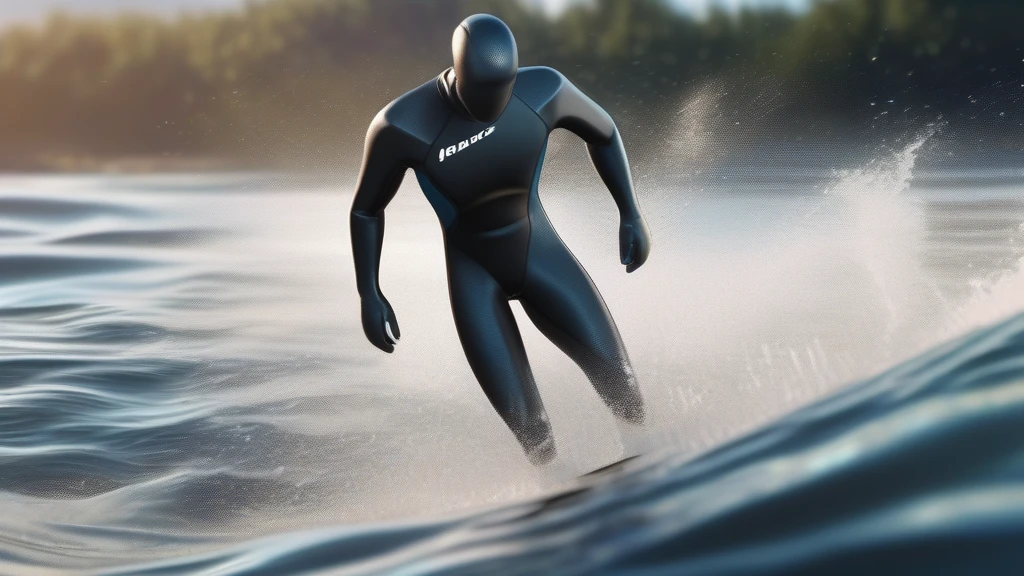
When it comes to water sports, having the right wetsuit can make a significant difference in both performance and comfort. Among the many design features that set high-quality wetsuits apart, ergonomic paneling stands out as a key innovation. This thoughtful design approach tailors the wetsuit’s panels to the natural contours and movements of the human body, resulting in gear that not only fits better but also supports a wider range of motion and improved thermal efficiency. In this article, we’ll explore what ergonomic paneling entails, how it enhances wetsuit functionality, and why it’s an important consideration for anyone serious about aquatic activities.
What Is Ergonomic Paneling in Wetsuits?
Ergonomic paneling refers to the strategic placement and shaping of neoprene panels on a wetsuit to align with the wearer’s anatomy and movement patterns. Unlike traditional wetsuits that use uniform cuts or rectangular panels, ergonomic designs use multidirectional stretch fabrics and contoured seams to mimic the body's natural flex points—such as shoulders, knees, and torso.
These panels are often cut and stitched in ways that reduce resistance during paddling, swimming, or diving, allowing for greater freedom of movement. Reinforced areas may also be incorporated to protect high-wear zones without compromising flexibility.
Enhancing Performance Through Movement Efficiency
Freedom of Movement
Water sports require fluid and unrestricted motion, whether it’s the wide arm reach of a surfer, the powerful strokes of a swimmer, or the paddling rhythm of a kayaker. Ergonomic paneling helps wetsuits accommodate these motions by:
- Aligning with Muscle Groups: Panels are designed to stretch along muscle lines, enabling expansion and contraction without resistance.
- Reducing Material Bunching: By following body contours, the suit avoids excess fabric that can bunch or create drag.
- Optimizing Seam Placement: Seams are positioned to avoid high-mobility areas, minimizing chafing and discomfort.
This results in less fatigue and more efficient energy use during extended sessions on the water.
Enhanced Fit
A wetsuit that moves with you rather than against you provides a snug yet comfortable fit. Ergonomic paneling contributes to a second-skin sensation by:
- Conforming to Different Body Shapes: Gender-specific and activity-specific ergonomic patterns accommodate variations in body proportions and movement styles.
- Improving Seal and Thermal Protection: A close fit reduces water flushing—cold water entering and warm water escaping—thereby maintaining better insulation.
This means users experience better warmth retention and comfort, even in colder conditions.
Boosting Comfort and Reducing Fatigue
Strategic Thermal Insulation
Ergonomic paneling isn’t just about flexibility—it also plays a role in thermal regulation. Panels of varying thicknesses (commonly between 2mm and 7mm) are placed according to the body’s heat loss patterns:
- Thicker Panels: Positioned on the torso and chest to maximize warmth where it’s most needed.
- Thinner, More Flexible Panels: Located on limbs and joints to preserve mobility without sacrificing protection.
This balance helps maintain core temperature while allowing limbs to move freely, reducing the risk of muscle stiffness and cramping.
Seam Reinforcement and Skin Comfort
Ergonomic paneling often works hand-in-hand with advanced seam construction techniques such as blindstitching or taping, which:
- Minimize Water Penetration: Enhancing the suit’s waterproof qualities.
- Reduce Irritation: Smoother seams prevent chafing during repetitive motion.
- Increase Durability: Reinforced areas protect against abrasion without sacrificing flexibility.
Together, these features contribute to a wetsuit that feels comfortable over long durations and withstands the rigors of active water sports.
Supporting Sustainability and Durability
Modern wetsuits with ergonomic paneling frequently incorporate eco-friendly materials like limestone-based neoprene and recyclable fabrics. The efficiency gained from ergonomic design also means:
- Less Material Waste: Precise panel cutting reduces offcuts.
- Longer Lifespan: Better fit and reinforced panels reduce wear and tear, decreasing the frequency of replacement.
- Lower Environmental Impact: Combining ergonomic design with sustainable materials supports low carbon manufacturing initiatives.
For environmentally conscious consumers, ergonomic paneling represents a step toward smarter, greener gear.
Choosing a Wetsuit with Ergonomic Paneling: What to Look For
When shopping for a wetsuit that leverages ergonomic paneling, consider these factors:
- Activity-Specific Design: Look for suits tailored to your primary water sport, as panel placement varies for surfing, diving, or paddleboarding.
- Material Quality: Opt for neoprene with multi-directional stretch and reinforced seams to maximize comfort and durability.
- Fit and Cut: Try suits with gender-specific or customizable fits to ensure the panels align correctly with your body.
- Thermal Thickness: Match panel thicknesses to your typical water temperature and activity intensity.
- Additional Features: UV resistance, quick-dry fabrics, and abrasion-resistant panels further enhance performance.
Taking time to assess these aspects can significantly improve your experience on the water.
Caring for Your Ergonomic Wetsuit Paneling
To preserve the benefits of ergonomic paneling and extend the life of your wetsuit:
- Rinse After Use: Remove salt, sand, and chlorine to prevent material degradation.
- Avoid Prolonged Sun Exposure: UV rays can break down neoprene; dry in the shade.
- Store Properly: Hang on wide, padded hangers to maintain panel shape.
- Repair Promptly: Use included repair patches for small tears at seams or panels.
- Follow Manufacturer Guidelines: Adhere to specific washing and maintenance instructions.
Proper care ensures your wetsuit maintains its fit, flexibility, and thermal properties.
Conclusion
Ergonomic paneling in wetsuits represents a thoughtful fusion of anatomical design, material science, and functional innovation. By enhancing movement freedom, improving fit and thermal regulation, and supporting durability and sustainability, this design approach elevates both performance and comfort for water sports enthusiasts. Whether you’re a beginner seeking ease of movement or a seasoned athlete aiming to optimize every stroke or paddle, investing time in understanding ergonomic paneling can help you select wetsuit apparel that truly works with your body—making your time on the water safer, warmer, and more enjoyable.