
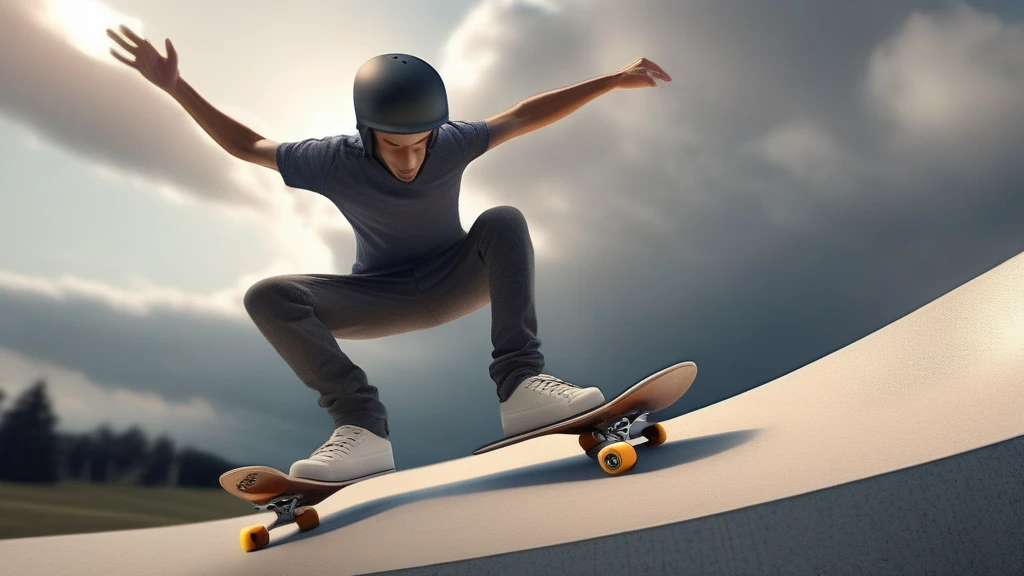
Skateboarding and other outdoor sports like BMX riding, scootering, and rollerblading offer exhilarating experiences, but they also bring risks of falls and impacts. A reliable skate helmet is essential for protecting your head, and advancements in helmet technology have made this protection smarter and more effective. One such innovation gaining widespread recognition is MIPS technology. In this article, we’ll explore what MIPS is, how it enhances safety in skate helmets, and why it’s worth considering when choosing your next helmet.
What Is MIPS Technology?
MIPS stands for Multi-directional Impact Protection System. It is a safety feature designed to reduce rotational forces that can occur during an angled impact to the head. Traditional helmets primarily focus on protecting against direct, linear impacts by absorbing shock through the foam liner. However, many falls and collisions involve twisting motions or glancing blows, which cause the brain to rotate inside the skull, increasing the risk of serious injury.
MIPS works by integrating a low-friction layer inside the helmet that allows the outer shell to slide slightly relative to the head during an impact. This slip plane mimics the brain’s natural protective function, helping to reduce rotational acceleration and the strain on brain tissue.
Why Rotational Impact Matters in Skateboarding
Skateboarding often involves dynamic movements and unpredictable falls. Unlike straightforward impacts, a skateboarder’s head may strike the ground or an object at an angle, creating rotational forces that can cause concussions or other traumatic brain injuries.
Traditional helmets protect well against straight-on hits but are less effective in mitigating these twisting forces. By addressing rotational energy, MIPS-enhanced helmets provide an additional layer of protection that can make a significant difference in real-world accident scenarios.
How MIPS Enhances Skate Helmet Safety
1. Additional Protection Layer Without Extra Bulk
MIPS technology is engineered as a thin, low-friction layer inside the helmet’s EPS foam liner. This design adds minimal weight and does not compromise the helmet’s comfort, ventilation, or fit. Skate helmets with MIPS maintain the lightweight construction (often between 200-300 grams) and ergonomic design that riders expect, while boosting safety.
2. Compatibility with Multi-Sport Safety Standards
Many skate helmets featuring MIPS meet multiple safety certifications such as CPSC, ASTM F1492, and CE EN 1078, ensuring reliable protection across various activities like skateboarding, cycling, and scootering. This multi-certification approach is ideal for riders who engage in diverse outdoor sports, offering versatile and trusted protection.
3. Improved Impact Mitigation in Real-World Tests
Research and independent lab testing show that helmets with MIPS reduce rotational forces better than conventional helmets during oblique impacts. This improvement can lower the risk or severity of brain injuries by absorbing both linear and rotational energies.
What to Look for When Choosing a MIPS-Equipped Skate Helmet
Fit and Adjustability
A helmet’s protective performance hinges on proper fit. MIPS-equipped helmets often come with adjustable dial systems, cushioned fit pads, and secure chin straps to ensure a snug and comfortable fit. The helmet should sit level on your head and not shift when you shake your head.
Ventilation and Comfort
Summer skate sessions demand helmets that keep you cool. Look for helmets with between 10 to 15 strategically placed vents, sometimes adjustable, to optimize airflow. Many MIPS helmets incorporate moisture-wicking liners and breathable padding to maintain comfort during intense activity.
Material Quality and Durability
MIPS helmets commonly use durable polycarbonate or ABS shells reinforced with EPS foam liners. Some premium models may include carbon fiber elements for added strength with minimal weight. Check for helmets with a robust outer shell and impact-absorbing inner layers that meet safety certifications.
Sustainability Factors
Increasingly, helmet manufacturers are integrating eco-friendly materials, recyclable components, and low-carbon production processes. Choosing a MIPS helmet with sustainable design features supports environmental responsibility without compromising safety.
Proper Helmet Use and Maintenance for Optimal Protection
Regular Fit Checks and Adjustments
As your head shape changes or padding compresses over time, routinely check and adjust your helmet for a secure fit. Replace worn-out pads and ensure chin straps fasten firmly.
Inspect for Damage
After any fall or impact, inspect your helmet for cracks, dents, or compression in the foam liner. Even if no damage is visible, it’s advisable to replace a helmet after a significant impact since protective materials can degrade.
Clean and Store Properly
Keep your helmet clean by wiping the shell and liner with mild soap and water. Avoid harsh chemicals that can weaken materials. Store your helmet in a cool, dry place away from direct sunlight and extreme temperatures.
Is MIPS Right for You?
While no helmet can eliminate all risk, MIPS technology represents a meaningful advancement in head protection by addressing an often-overlooked aspect of impact: rotational forces. If you participate regularly in skateboarding or multi-sport outdoor activities, a MIPS-equipped skate helmet can provide smarter, more comprehensive protection.
Choosing a helmet that balances safety features like MIPS with comfort, fit, ventilation, and sustainability will help you enjoy your sport with confidence. Ultimately, the best helmet is one you wear consistently—equipped with technology that keeps you safer every time you hit the pavement.
By understanding the benefits of MIPS technology, you can make an informed decision when selecting your next skate helmet—ensuring smarter protection for your head and peace of mind on every ride.