
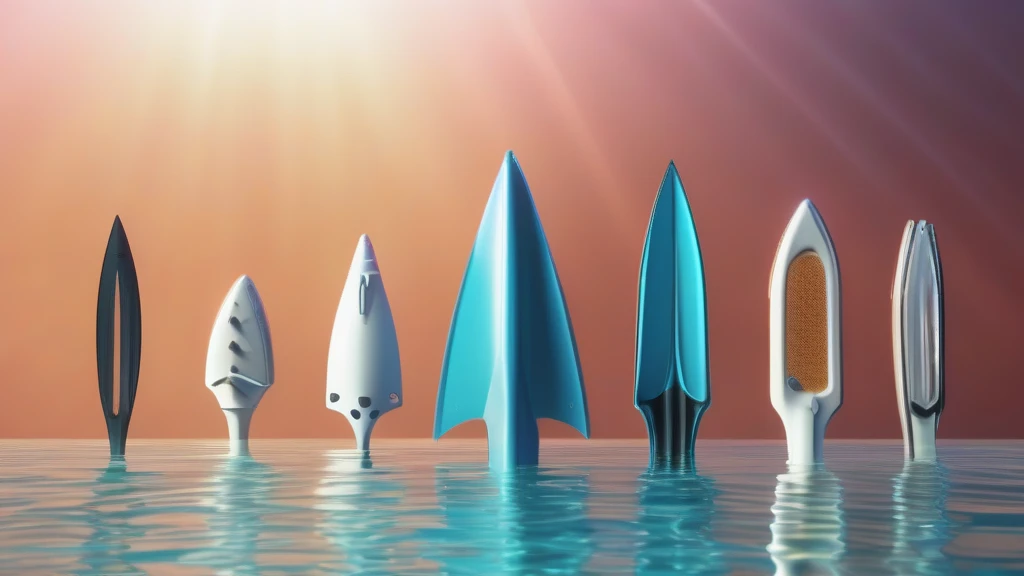
Choosing the right pair of diving and snorkeling fins can dramatically enhance your underwater experience. Whether you’re a beginner snorkeler, an enthusiastic freediver, or a professional technical diver, the optimal fins will improve propulsion efficiency, comfort, and maneuverability. In 2025, innovations in materials, blade designs, and ergonomic features have expanded the options available. This guide breaks down the best diving and snorkeling fins across various categories to help you find the perfect match for your underwater adventures.
Understanding the Essentials: What Makes a Great Diving Fin?
Before diving into specific categories, it’s important to understand core features that define high-quality fins:
- Blade Design: Split blades, paddle blades, vented blades, and channel-thrust blades all affect propulsion, drag, and energy conservation differently.
- Foot Pocket Type: Open heel with adjustable straps vs. closed heel designs influence fit, comfort, and ease of use.
- Materials: Lightweight, durable, and eco-friendly materials such as carbon fiber, fiberglass, thermoplastic rubber, neoprene, and silicone enhance performance and sustainability.
- Adjustability & Fit: Quick-release buckles, stretchable straps, and customizable sizing systems ensure secure and comfortable wear.
- Durability & Protection: Abrasion resistance, UV protection, and weatherproof qualities extend fin lifespan in marine environments.
- Portability: Foldable or compact designs with included travel bags cater to divers on the move.
- Safety Features: High-visibility colors and anti-slip soles provide underwater safety and surface traction.
Best Beginner & Recreational Snorkeling Fins: Comfort and Ease of Use
For beginners and casual snorkelers, comfort and ease of use are paramount. Recreational fins typically feature:
- Open Heel Designs with Adjustable Straps: Allowing easy fit adjustments and accommodating neoprene booties for warmth and protection.
- Paddle Blades: Offering straightforward propulsion with moderate stiffness.
- Soft, Flexible Materials: Thermoplastic rubber or silicone foot pockets that prevent chafing.
- Anti-Slip Soles: Ensuring safe walking on wet surfaces.
Why These Fins Stand Out:
They prioritize comfort over maximum thrust, making snorkeling effortless without causing leg fatigue. Adjustable heel straps with quick-release buckles simplify donning and removal, essential for new divers.
Example Features:
- Medium-length paddle blades for balanced propulsion.
- Lightweight thermoplastic rubber blades that flex naturally.
- Bright color accents for visibility in crowded snorkeling spots.
Top Freediving Fins: Long, Flexible Blades for Maximum Efficiency
Freediving demands fins that enable deep, energy-efficient dives with minimal effort. Key characteristics include:
- Extra-Long, Flexible Blades: Often fiberglass or carbon fiber for optimal stiffness-to-weight ratio, allowing powerful thrust on each kick.
- Closed Heel Foot Pockets: Providing a snug, hydrodynamic fit to maximize energy transfer.
- Streamlined, Minimalist Designs: Reducing drag and improving maneuverability.
- Eco-Friendly Materials: Carbon fiber blades combined with recyclable silicone foot pockets to reduce environmental impact.
Why These Fins Stand Out:
The combination of blade length and flexibility allows freedivers to glide effortlessly, conserving oxygen and extending dive time. The closed heel design enhances control and reduces foot fatigue.
Example Features:
- Carbon fiber blades with channel-thrust technology for directed water flow.
- Neoprene-covered foot pockets for added comfort during prolonged dives.
- Matte finishes to reduce underwater reflections for stealth.
Technical Diving Fins: Durability and Performance in Challenging Environments
Technical divers require fins that withstand harsh conditions while delivering precise propulsion:
- Carbon Fiber and Fiberglass Blades: Extremely durable and stiff for powerful kicks.
- Adjustable Open Heel Foot Pockets: Compatible with dive boots, featuring quick-release buckles for convenience.
- Vented or Split Blade Designs: Reduce drag and enhance thrust efficiency.
- Abrasion-Resistant Rubber Edges: Protect blades from coral and rocky underwater surfaces.
- Certification Compliance: ISO, CE, and TÜV certifications ensuring quality and safety standards.
Why These Fins Stand Out:
They balance strength, precision, and comfort, crucial for deep or technical dive profiles where reliable propulsion is paramount.
Example Features:
- Channel-thrust blade channels to guide water flow for maximum power.
- Reinforced heel straps with stretchable silicone for secure fit under heavy use.
- High-visibility accents for diver safety during decompression stops.
Travel-Friendly Fins: Compactness Without Compromise
Travel fins cater to divers and snorkelers who need portability without sacrificing function:
- Foldable or Shorter Blade Designs: Allow easy packing in carry-on luggage.
- Lightweight Materials: Thermoplastic rubber or flexible fiberglass for reduced weight.
- Detachable or Adjustable Features: Quick-release buckles and removable straps.
- Inclusion of Travel Bags: Protect fins during transport and simplify packing.
Why These Fins Stand Out:
Their compactness and lightweight construction make them ideal for frequent travelers, while still delivering adequate propulsion for snorkeling and casual diving.
Example Features:
- Hinged blades that fold neatly in half.
- Soft silicone foot pockets for comfort during long travel days.
- Brightly colored blades for easy retrieval on crowded beaches.
Specialized Fins for Underwater Photography: Maneuverability and Stability
Underwater photographers benefit from fins that provide precise control with minimal turbulence:
- Short to Medium-Length Paddle or Split Blades: Enabling quick directional changes.
- Ergonomic Foot Pockets: Closed or open heel depending on preference, with enhanced padding.
- Vented Blades: To reduce water resistance during slow, deliberate movements.
- Durable and Quiet Materials: Minimizing noise and disturbance to marine life.
Why These Fins Stand Out:
They offer a balance between propulsion and finesse, allowing photographers to hold steady positions and react smoothly to underwater subjects.
Example Features:
- Rubberized foot pocket edges to absorb shock and reduce vibration.
- Anti-slip soles to aid walking on slippery boat decks.
- Customizable blade stiffness for tailored control.
Making the Right Choice: Practical Tips for Selecting Your Fins
- Assess Your Activity: Snorkeling, freediving, technical diving, and underwater photography each demand different fin characteristics.
- Prioritize Fit: Try fins with the intended footwear (barefoot or with booties). Adjustable straps and stretchable materials improve comfort.
- Consider Blade Type: Paddle blades offer power, split blades reduce calf fatigue, vented blades improve water flow—all suited for different kicking styles.
- Check Material Sustainability: Look for fins made from recyclable components and environmentally friendly manufacturing processes.
- Evaluate Durability Needs: If diving in rugged environments, prioritize abrasion-resistant and UV-protected fins.
- Think About Portability: For travel-heavy divers, compact, foldable fins with travel bags reduce hassle.
- Look for Safety Features: Bright colors and anti-slip soles enhance safety both underwater and on land.
Caring for Your Fins: Maintenance Tips to Extend Lifespan
Proper care maximizes your investment and ensures performance longevity:
- Rinse Thoroughly After Use: Remove salt, sand, and debris with fresh water.
- Dry in Shade: Avoid direct sunlight to prevent UV damage and material degradation.
- Store Flat or Hanging: Prevent blade warping by avoiding heavy pressure or folding when not designed for it.
- Inspect Regularly: Check straps, buckles, and blade integrity for wear or damage.
- Use Protective Bags: Store fins in breathable bags during transport and storage.
Conclusion
The best diving and snorkeling fins of 2025 reflect a sophisticated blend of ergonomic design, advanced materials, and environmental mindfulness. Whether you are just starting out, pursuing freediving depths, tackling technical dives, or capturing underwater moments, there is a fin tailored to your needs. By understanding blade types, fit systems, and material benefits, you can make an informed choice that enhances your underwater mobility, comfort, and safety while supporting sustainable dive practices.
Dive smarter and glide smoother with the right fins designed to match your passion and purpose in the water.