
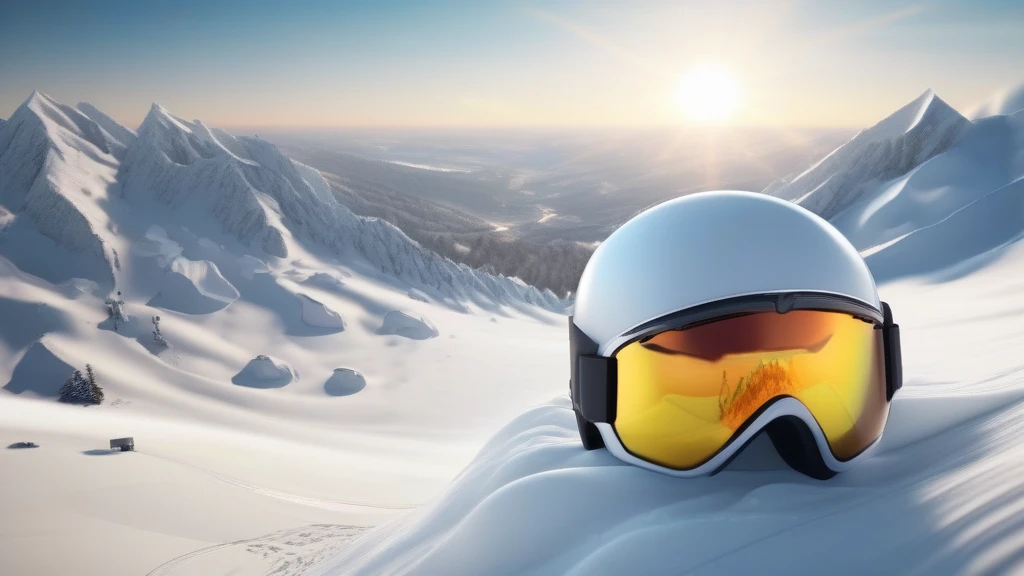
Winter sports demand not only skill and stamina but also reliable gear optimized for safety and comfort. Among the essential equipment for skiing, snowboarding, ice climbing, and snowmobiling, helmets play a critical role in protecting athletes from head injuries. Beyond the helmet’s core protective features, a variety of accessories have emerged to enhance the user experience—improving visibility, communication, comfort, and convenience on the slopes and trails.
This article explores the best helmet accessories tailored for winter sports enthusiasts. We’ll cover how goggle integration systems elevate vision and fit, communication devices that keep you connected, and other practical add-ons that complement your helmet’s performance. Understanding these accessories will help you customize your head protection to meet your specific winter adventures.
Seamless Goggle Integration: Enhancing Vision and Comfort
The Challenge of Goggles and Helmets
A well-fitting helmet must work harmoniously with your goggles. Poor integration can lead to fogging, discomfort, gaps that let cold air in, or even compromised safety if the goggles shift during activity. Because goggles are critical for clear vision and eye protection against snow glare and wind, choosing the right integration system is paramount.
Magnetic and Clip-On Systems
Modern helmets often feature magnetic or clip-based goggle holders that securely lock the goggles in place. Magnetic systems use strategically placed magnets to snap goggles onto the helmet frame quickly and reliably, ensuring effortless attachment and removal, even with gloves on. Clip holders, on the other hand, provide adjustable physical anchors that prevent goggles from sliding upward or downward.
Both systems maintain a snug fit that minimizes gaps where cold air or snow could enter. They also stabilize the goggles during dynamic movements like jumps or rapid turns, preventing distractions and interruptions.
Over-the-Helmet Goggle Compatibility
Some helmets are specifically designed to accommodate over-the-goggle (OTG) glasses, providing extra space or cutouts that allow users who wear prescription eyewear to use goggles without removing their glasses. This is particularly useful for skiers and snowboarders who require vision correction but want full eye protection.
Ventilation and Anti-Fog Features
Proper ventilation is crucial to prevent goggles from fogging. Many helmet-goggle combos feature integrated venting channels that align helmet vents with goggle airflow paths, facilitating breathability and moisture control. Some helmets offer removable vent covers that can be adjusted based on weather conditions to optimize airflow without compromising warmth.
Communication Devices: Stay Connected on the Slopes
Why Communication Matters
Winter sports often involve group outings or backcountry excursions where staying in contact is vital for safety and coordination. Traditional walkie-talkies can be bulky and inconvenient, but helmet-compatible communication devices now offer streamlined solutions.
Bluetooth Headsets and Intercom Systems
Helmet-mounted Bluetooth communication devices allow hands-free calls, music streaming, and intercom conversations between riders within a certain range. These systems typically feature compact speakers and microphones integrated into the helmet ear pads or attached externally with minimal bulk.
Key advantages include:
- Safety: Quickly alert companions in emergencies or coordinate route changes.
- Convenience: Control music or calls without removing gloves or stopping activity.
- Versatility: Some models support multiple riders, enhancing group communication.
Integration and Installation
Many helmets come pre-equipped with channels or compartments for communication device installation. This design preserves the helmet’s aerodynamic profile and comfort. When choosing a communication device, ensure compatibility with your helmet’s fit system and ear pad design for optimal sound quality and comfort.
Additional Helmet Accessories to Enhance Your Winter Experience
Audio Systems and Ear Pads
Beyond communication, some helmets offer interchangeable ear pads with built-in speakers for immersive music experiences. Look for features such as sweat-wicking, removable liners for hygiene, and pressure-free designs to avoid discomfort during long sessions.
Camera Mounts
Action cameras are popular among winter athletes for capturing their adventures. Helmet-compatible camera mounts provide a stable platform without impairing ventilation or safety. Choose mounts designed to minimize vibration and allow easy angle adjustments.
Chin Guards and Face Shields
Certain winter sports, such as backcountry skiing or snowmobiling, expose users to harsher elements. Removable chin guards or face shields can offer additional protection from wind, snow, and debris, enhancing warmth and safety without permanently altering the helmet’s structure.
Helmet Liners and Thermal Accessories
For extreme cold conditions, thermal liners or balaclavas compatible with helmet fit can add insulation. Some liners integrate moisture-wicking fabrics that keep skin dry and comfortable during high-exertion activities.
How to Choose the Right Accessories for Your Helmet
Match Accessories to Your Activity
Different winter sports have unique demands. For example:
- Freestyle snowboarders may prioritize lightweight helmets with secure goggle holders and audio systems.
- Backcountry skiers might need robust communication devices, face shields, and thermal liners.
- Ice climbers often require helmets with camera mounts and adjustable ventilation tailored to varying exertion levels.
- Snowmobilers benefit from integrated chin guards and enhanced wind protection.
Identify your primary activities and select accessories that complement your helmet’s features and intended use.
Consider Helmet Compatibility and Fit
Not all accessories fit every helmet model. Look for manufacturer guidelines regarding compatible goggle systems, communication devices, and mounts. Ensure accessories do not interfere with your helmet’s certified safety features or comfort.
Prioritize Ease of Use and Durability
Winter conditions are challenging: cold, moisture, and frequent impacts mean accessories should be durable, easy to operate with gloves, and resistant to weather. Magnetic goggle clips and wireless communication systems with intuitive controls are examples of user-friendly designs.
Final Thoughts: Elevate Safety and Comfort with Smart Helmet Accessories
Choosing the right helmet is foundational to safe winter sports participation, but integrating thoughtful accessories can significantly enhance the overall experience. From secure goggle attachment systems that improve vision and comfort to communication devices that keep you connected and safe, these add-ons transform your helmet into a multifunctional tool tailored to your needs.
By carefully selecting accessories that match your sport, helmet model, and personal preferences, you optimize both protection and enjoyment on the snow. As innovations continue to advance, staying informed about new helmet integrations and technologies ensures you gear up with confidence for every winter adventure.