
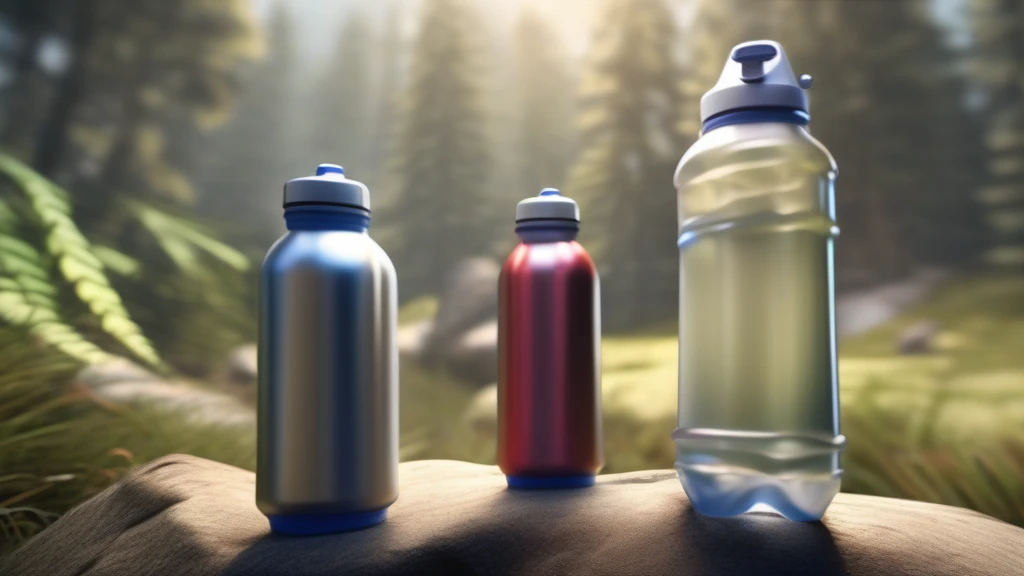
Staying hydrated during outdoor adventures is essential, whether you’re hiking a rugged trail, catching waves at the beach, or pushing your limits in a gym session. Choosing the right water bottle can make a significant difference in how easily you access water, how comfortable you feel carrying it, and how well it withstands the demands of an active lifestyle. This guide explores the key features of lightweight and portable water bottles designed specifically for trail and outdoor activities, helping you find the perfect hydration companion for your next adventure.
Why Lightweight and Portable Water Bottles Matter for Outdoor Activities
When you’re out on a trail or engaged in activities like surfing or running, every ounce in your pack counts. Heavy or bulky bottles can weigh you down, limit your mobility, and even discourage you from drinking enough water. Lightweight bottles designed for portability offer several benefits:
- Enhanced Mobility: Compact and ergonomic designs allow easy carrying without interfering with your natural movement.
- Convenient Access: Bottles with easy-to-open lids or quick-squeeze bodies facilitate hydration on the go.
- Space Efficiency: Smaller sizes or collapsible designs fit neatly into backpacks, bike cages, or surf bags.
- Durability: High-quality materials resist impact, weather, and rough handling, ensuring your bottle lasts through many adventures.
Understanding these factors will help you select a bottle that supports your activity without adding unnecessary burden.
Choosing the Right Size for Your Activity
Water bottles come in a range of capacities, typically from compact 200 ml bottles to larger 1000 ml flasks. Selecting the right size depends on your hydration needs and the nature of your activity.
Small (200 ml – 300 ml)
Ideal for short sessions or minimalist packers, these bottles are ultra-light and fit easily into small pockets or belt clips. They’re best suited for quick gym visits, short trail runs, or water sports where you might have access to other water sources.
Medium (400 ml – 600 ml)
A versatile choice for most outdoor activities, medium-sized bottles provide a solid balance between capacity and portability. They’re perfect for day hikes, surf sessions, or bike rides, offering enough water to keep you hydrated without feeling cumbersome.
Large (750 ml – 1000 ml+)
For longer excursions or high-intensity activities where water access is limited, larger bottles ensure you have ample hydration. While heavier, many large bottles incorporate ergonomic designs and comfortable grips to make carrying easier.
Key Features to Look for in Trail and Outdoor Water Bottles
Not all water bottles are created equal. When shopping for one that fits your active lifestyle, consider these essential features:
Durability and Material Quality
Outdoor activities expose your gear to drops, bumps, and extreme conditions. Look for bottles made from durable materials such as BPA-free plastics, stainless steel, or impact-resistant composites. These materials resist cracking and maintain structural integrity over time.
Ergonomic and Compact Design
A bottle that fits comfortably in your hand or pack is easier to use and carry. Features like contoured shapes, textured grips, and slim profiles enhance handling during movement. Some bottles also offer collapsible designs to save space when empty.
Easy Access and Secure Closures
Quick hydration is crucial during activities like trail running or surfing, where stopping is inconvenient. Bottles with flip-top lids, push-pull spouts, or wide mouths allow for fast sips without fuss. At the same time, closures should be leak-proof to prevent spills in your bag.
Color and Style Options
While functionality is key, many outdoor enthusiasts enjoy expressing their personality through gear. Vibrant color palettes and modern styling enable you to match your water bottle to your lifestyle, surfboard, or gym outfit, adding a bit of flair to your hydration routine.
Matching Water Bottles to Your Outdoor Activity
Different activities place different demands on hydration gear. Here’s how to align bottle features with your preferred outdoor pursuits:
Surfing and Water Sports
Surf-friendly bottles often emphasize waterproof seals, compact sizes, and bright colors for visibility. Lightweight construction prevents added weight in your beach bag, and ergonomic grips ensure you can hydrate between waves without slipping.
Trail Running and Hiking
For trail activities, focus on bottles that fit easily into side pockets or hydration belts. Durable materials withstand rocky terrain, and quick-access lids allow hydration without breaking stride. Reflective or bright colors also enhance safety in low-light conditions.
Gym and Fitness Workouts
In the gym, bottles with wide mouths for easy refilling and cleaning are advantageous. Sleek, stylish designs fit well into gym bags, and medium capacities suit typical workout durations. Bottles with non-slip grips help when hands get sweaty.
Maintaining Your Water Bottle for Longevity and Hygiene
Proper care extends the life of your bottle and keeps your water tasting fresh. Here are some maintenance tips:
- Regular Cleaning: Wash your bottle daily with warm soapy water, paying special attention to lids and spouts where bacteria can accumulate.
- Deep Cleaning: Periodically use a mixture of baking soda and vinegar or specialized bottle-cleaning tablets to remove odors and buildup.
- Dry Thoroughly: Leave your bottle open to air dry completely before storing to prevent mold growth.
- Inspect for Damage: Check for cracks, worn seals, or discoloration regularly and replace parts or bottles as needed.
- Avoid Freezing or Boiling: Extreme temperatures can damage bottles not designed for such use.
Hydration Strategies for Optimal Outdoor Performance
Carrying a great water bottle is just the start. To maximize your endurance and safety:
- Pre-Hydrate: Drink water before heading out to ensure your baseline hydration is adequate.
- Sip Regularly: Take small sips throughout your activity rather than gulping large amounts infrequently.
- Monitor Signs: Pay attention to thirst, dizziness, or fatigue—they can indicate dehydration.
- Adjust for Conditions: Increase water intake on hot, humid days or during vigorous exercise.
- Use Electrolytes: For extended or intense activities, consider electrolyte-enhanced drinks to replenish minerals lost through sweat.
Conclusion
Selecting the best lightweight and portable water bottle for trail and outdoor activities involves balancing capacity, durability, accessibility, and style. Whether you’re a surfer needing a splash-proof companion, a trail runner seeking a bottle that fits snugly in your pack, or a fitness enthusiast wanting a sleek gym-sidekick, understanding these key factors will help you stay hydrated effortlessly. By investing in a bottle tailored to your specific needs and caring for it properly, you empower your adventures with reliable hydration that keeps pace with your active lifestyle.