
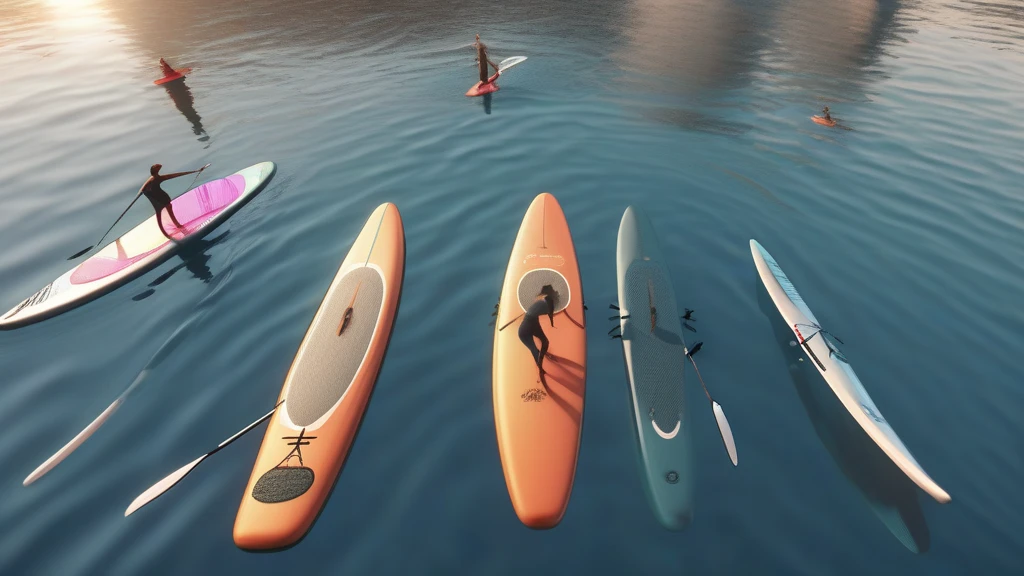
Paddleboarding continues to surge in popularity as an accessible, versatile water sport that offers something for everyone—from casual family outings to intense athletic training. In 2025, the market for paddleboards has never been more diverse or technologically advanced. Whether you seek a stable board for yoga, a fast racing model, or a rugged fishing platform, understanding the key features and types of paddleboards available will help you make the best choice.
This guide provides a comprehensive breakdown of the best paddleboards across all major categories, highlighting what makes each stand out. We also explore essential product characteristics like materials, hull design, and fin systems to help you select the ideal board tailored to your activity and skill level.
Understanding Paddleboard Types and Construction
Before diving into specific top picks, it’s important to understand the foundational elements that differentiate paddleboards.
Hull Designs: Stability vs. Speed
- Planing Hulls: Broad and flat, planing hulls provide exceptional stability, making them ideal for beginners, yoga practitioners, and casual paddlers. Their wider surface area allows for better balance and easier maneuvering in calm waters.
- Displacement Hulls: Featuring a pointed nose and narrower body, displacement hulls slice through water efficiently, offering enhanced speed and tracking for touring and racing. These boards demand better balance but reward users with improved glide and performance over longer distances.
Materials and Construction
- Inflatable Paddleboards: Constructed with durable drop-stitch fabric and reinforced PVC layers, inflatable SUPs offer portability and ease of storage. Many inflate in 5–10 minutes and come with carry backpacks, making them ideal for travelers and casual paddlers.
- Solid Paddleboards: Made from fiberglass, hybrid composites, or carbon fiber reinforcements, solid boards offer superior rigidity and responsiveness, favored by racers and seasoned paddlers. While less portable, they generally provide better performance in rough waters.
Fin Systems
- Single Fin: Common on yoga and beginner boards, a single large fin offers straightforward tracking and stability.
- Dual and Tri-Fin Setups: Popular on touring, fishing, and racing boards, multi-fin configurations enhance maneuverability and directional control, allowing riders to adapt to various water conditions.
Top Paddleboards of 2025 by Use Case
1. Best Inflatable Paddleboards for Beginners and Families
For those new to paddleboarding or looking for a family-friendly option, stability, safety, and portability are paramount. Inflatable boards dominate this category due to their forgiving design and ease of transport.
Key Features to Look For:
- Wide, planing hull for maximum balance
- Drop-stitch construction with triple-layer PVC for durability
- Non-slip deck pads for confident footing
- Bungee cords for secure storage of essentials
- Quick inflation valves and included high-pressure pumps
- Lightweight carry bags with ergonomic straps
Why They Stand Out:
Inflatable SUPs in this segment usually boast a thickness of 4–6 inches and widths of 32–35 inches, offering a solid platform for kids and adults alike. Many come with safety leash attachments and repair kits, ensuring peace of mind for new paddlers. Their portability means you can easily pack them into a car trunk or store them in small apartments.
2. Best Fitness and Yoga Paddleboards
Yoga and fitness paddleboarding require extra stability and comfort to accommodate dynamic movements and poses.
Key Features to Look For:
- Extra-wide decks (up to 36 inches) with textured, non-slip EVA foam padding
- Soft but firm deck surfaces to enhance grip while minimizing joint stress
- Integrated handles positioned for easy carrying
- Lightweight yet rigid construction, often featuring hybrid materials for balance between firmness and portability
- Attachment points for accessories like anchor points or resistance bands
Why They Stand Out:
Boards designed for yoga often feature a flat, wide planing hull that minimizes rocking. The deck’s cushioning is critical to allow users to hold poses safely on the water. Some models incorporate eco-friendly, biodegradable coatings to appeal to environmentally conscious fitness enthusiasts.
3. Best Touring Paddleboards for Adventure
Touring paddleboards are built for long-distance paddling, combining speed, efficiency, and ample storage for gear.
Key Features to Look For:
- Narrower displacement hulls for improved glide and tracking
- Lengths ranging from 11 to 14 feet to cover more water per stroke
- Multiple fin options (often tri-fin) for enhanced control in varying conditions
- Heavy-duty materials such as hybrid composites or fiberglass for durability
- Integrated bungee storage and cargo racks for backpacks or dry bags
- Reinforced rails to withstand bumps against rocks or docks
Why They Stand Out:
Touring boards balance lightweight construction with ruggedness, often incorporating carbon fiber reinforcements for strength without excess weight. Their streamlined profiles help paddlers maintain good speed and reduced fatigue on long excursions, while storage features enable multi-day trips.
4. Best Fishing Paddleboards
Fishing SUPs focus heavily on stability and utility, turning paddleboards into versatile angling platforms.
Key Features to Look For:
- Extra-wide platforms (up to 36 inches or more) for standing and casting
- Multiple attachment points for rod holders, tackle boxes, and coolers
- Flat deck designs with ample non-slip padding
- Multiple carrying handles and leash attachments for secure transport
- Reinforced fins or fin boxes for added tracking in moving waters
- Removable seats or benches for ergonomic fishing positions
Why They Stand Out:
Fishing paddleboards prioritize durability and functionality. Many models include built-in storage compartments or waterproof bags to protect gear. Their wide, stable platforms make them suitable for both calm lakes and mild river currents.
5. Best Racing Paddleboards for Performance
Racing SUPs are engineered for speed and agility, featuring lightweight materials and sleek designs.
Key Features to Look For:
- Narrow displacement hulls with pointed noses to reduce drag
- Lengths typically between 12’6” and 14’ for optimal glide
- Carbon fiber or high-grade fiberglass construction for stiffness and minimal weight
- Single or tri-fin systems optimized for straight-line speed
- Minimal deck padding to reduce weight while maintaining grip
- Ergonomic handles designed to minimize interference during paddling
Why They Stand Out:
Racing boards are less forgiving and require skill but offer unmatched performance. Their enhanced stiffness allows efficient transfer of power with each stroke, while the sleek designs cut through water with minimal resistance. Many also feature quick-lock fin systems for rapid customization before races.
Inflatable vs. Solid Paddleboards: Pros and Cons
When choosing your paddleboard, understanding the trade-offs between inflatable and solid boards is crucial.
| Feature | Inflatable SUPs | Solid SUPs |
|---|---|---|
| Portability | Highly portable, folds into compact backpacks | Bulkier; requires roof racks or trailers |
| Durability | Resistant to dings and scratches, repair kits included | More prone to damage, but often more robust |
| Performance | Slightly less rigid, good for casual use | Superior glide and responsiveness |
| Setup Time | Requires inflation (~5–10 minutes) | Ready to go immediately |
| Storage | Easy to store in small spaces | Requires dedicated storage space |
| Cost | Generally more affordable | Typically more expensive |
For most beginners, families, and travelers, inflatable SUPs offer unmatched convenience without sacrificing safety or enjoyment. Advanced paddlers and racers may prefer solid boards for peak performance.
Essential Features to Consider Across All Paddleboards
Regardless of your use case, these features enhance safety, comfort, and convenience:
- Non-slip Deck Pads: EVA foam surfaces improve traction and reduce foot fatigue.
- Leash Attachments: Safety leash points keep you tethered to your board in case of falls.
- Carry Handles: Ergonomic handles on the deck simplify transportation.
- Bungee Storage Systems: Secure small bags or water bottles during paddling outings.
- Repair Kits: Many inflatable SUPs include patch kits for quick field repairs.
- Environmental Certifications: Look for boards produced with sustainable materials and eco-friendly manufacturing processes (ISO, CE, TÜV certifications).
Final Thoughts: Matching Your Paddleboard to Your Lifestyle
The best paddleboard in 2025 depends on your skill level, intended use, and lifestyle needs. Beginners and families will find inflatable, wide, stable boards most welcoming. Fitness and yoga enthusiasts benefit from extra-wide, cushioned decks. Touring and fishing paddlers should prioritize durability, storage, and efficient hull designs. Competitive racers seek lightweight, narrow boards built for speed.
By focusing on key product characteristics such as hull type, construction materials, fin configuration, and added features, you can confidently select a paddleboard that enhances your enjoyment on the water for years to come.
With advances in eco-friendly materials and innovative technologies like drop-stitch fabric and quick-lock fins, 2025 offers paddleboards that are not only high-performing but also mindful of the environment. Whichever board you choose, investing time in understanding these details will ensure a rewarding paddleboarding experience tailored perfectly to your needs.