
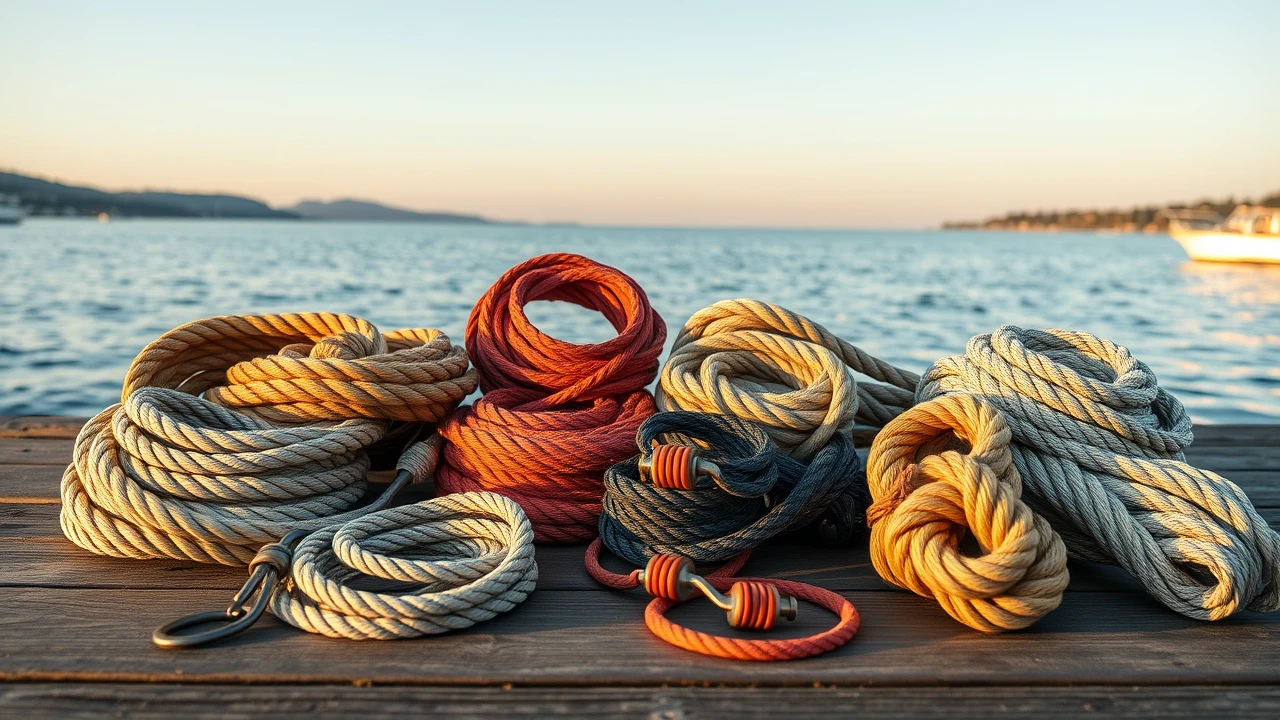
Selecting the right rope or hardware cable can make all the difference in water sports, boating, or rescue operations. As we head into 2025, innovations in materials, design, and safety features have shaped a new generation of ropes tailored to specific needs—whether you’re wakeboarding, docking your boat, or performing emergency rescues. This comprehensive guide breaks down the best ropes and hardware cables across key categories, highlighting what makes each stand out in durability, safety, and sustainability.
Understanding Ropes & Hardware Cable: What Sets Them Apart?
Before diving into specific products, it’s important to understand the core characteristics that define top-quality ropes in this category:
- Materials: Commonly used fibers include nylon, polypropylene, polyester, and braided polyethylene. These materials provide a balance of strength, abrasion resistance, UV protection, and buoyancy.
- Design Features: Floating or partially floating ropes enhance safety on water, while ergonomic handles made of EVA foam or rubber improve grip and comfort during use.
- Certifications: TÜV, ISO, and CE certifications, plus marine safety approvals, ensure reliability and compliance with industry standards.
- Environmental Responsibility: Many modern ropes incorporate biodegradable coatings and recyclable components to reduce environmental impact.
- Safety Enhancements: Reinforced loops, quick-release mechanisms, and high-visibility colors improve operational safety and ease of use.
Top Categories and Our Best Picks for 2025
1. Wakeboard and Water Ski Ropes: Precision and Performance on the Water
For wakeboarders and water skiers, rope performance is critical to control, speed, and safety. Here’s what to look for:
- Material: Polyester and braided polyethylene ropes are preferred due to their low stretch, high tensile strength (up to 2,500 lbs), and excellent abrasion resistance.
- Length and Diameter: Typically between 50 and 75 ft, with diameters from 6mm to 8mm for optimal handling.
- Floating Design: Essential to prevent tangling and ensure easy retrieval.
- Ergonomic Handles: EVA foam grips reduce hand fatigue during extended use.
Top Pick: A 75-ft braided polyethylene rope with UV-resistant coating and quick-release handle mechanism. Its lightweight, floating construction and reinforced loops provide both durability and safety, ideal for intermediate to advanced riders.
2. Tow Ropes for Inflatable Tubes: Strength Meets Comfort
Tow ropes designed for inflatable tubes must balance tensile strength with user comfort and easy storage.
- Material: Polypropylene is often used for its inherent buoyancy and resistance to water absorption.
- Thickness and Strength: Heavier-duty ropes (8mm to 10mm) with tensile strengths around 2,000 lbs handle the jerking forces during towing.
- Safety Features: Quick-release clips and reinforced loops reduce the risk of accidents.
- Portability: Compact spools or included storage bags aid in transportation and storage.
Top Pick: A 50-ft polypropylene tow rope with a floating design and rubberized ergonomic handle. It includes a quick-release clip and comes with a durable storage bag, making it perfect for casual tube riders and families.
3. Anchor Lines for Boating: Reliability When It Counts
Anchor lines must provide ultimate reliability and resistance to harsh marine conditions.
- Material: Nylon is favored for its stretch capacity, which absorbs shock loads and prevents anchor line breakage.
- Length and Diameter: Commonly 25 to 100 ft in lengths, with thicknesses from 10mm to 12mm for heavy-duty anchoring.
- UV and Abrasion Resistance: Coatings protect against sun damage and wear from rough surfaces.
- Safety Enhancements: Reinforced loops and stainless steel fittings improve attachment security.
Top Pick: A 100-ft nylon anchor line with UV-resistant coating and reinforced loop ends. Its high tensile strength and elasticity make it ideal for saltwater and freshwater anchoring, ensuring reliable holding power in varying conditions.
4. Docking Ropes: Durability and Ease of Use at the Pier
Docking ropes require a combination of strength, flexibility, and user-friendly features to secure boats safely.
- Material: Polyester ropes are common because of their minimal stretch and excellent abrasion resistance.
- Thickness: Typically 10mm to 12mm to withstand repeated stress.
- Floating vs. Non-Floating: Floating docking ropes are preferred to prevent entanglement and ease handling.
- Ergonomic Handles: EVA or rubber grips improve comfort during docking maneuvers.
Top Pick: A 30-ft floating polyester docking rope with anti-slip EVA handles and reinforced stainless steel hooks. Its compact design and high abrasion resistance make it a dependable choice for boaters of all levels.
5. Rescue Ropes for Emergency Services: High-Visibility and High-Strength
Rescue ropes are mission-critical tools that must perform flawlessly under pressure.
- Material: Braided polyethylene or polyester for high tensile strength (up to 2,500 lbs) and abrasion resistance.
- Visibility: Bright, high-visibility color patterns enhance safety during rescue operations.
- Safety Features: Quick-release mechanisms and reinforced loops enable rapid deployment and secure anchoring.
- Certifications: Compliance with strict marine and rescue safety standards is essential.
Top Pick: A 50-ft high-visibility braided polyester rescue rope with quick-release handle and TÜV certification. Designed for rapid deployment, its ergonomic grip and reinforced loops provide rescuers with confidence and reliability.
How to Choose the Right Rope in 2025: Key Considerations
Match Rope Material to Activity
- Nylon: Best for anchoring due to stretch and shock absorption.
- Polypropylene: Ideal for tow ropes and applications needing buoyancy.
- Polyester: Excellent choice for docking ropes where minimal stretch is desired.
- Braided Polyethylene: High strength and durability, favored in rescue and wakeboarding ropes.
Consider Length, Diameter, and Tensile Strength
Choose ropes with appropriate lengths (usually 25 to 100 ft) and thickness (6mm to 12mm) based on your specific activity and load requirements. Tensile strength ratings up to 2,500 lbs are common for demanding tasks.
Prioritize Safety Features
Floating ropes reduce entanglement risks. Ergonomic handles with EVA or rubber coatings improve grip, especially when wet. Quick-release mechanisms accelerate emergency operations.
Factor in Environmental Impact
Look for ropes manufactured with biodegradable coatings, recyclable components, and sustainable production practices to minimize ecological footprints.
Evaluate Warranty and Certifications
Longer warranties (up to lifetime) indicate confidence in product durability. Certifications such as TÜV, ISO, and CE ensure compliance with safety and quality standards.
Maintenance Tips to Prolong Rope Life
- Rinse after Use: Saltwater and dirt degrade fibers over time.
- Store Properly: Avoid prolonged UV exposure and store ropes in dry, shaded areas.
- Inspect Regularly: Check for fraying, cuts, or weakened spots before use.
- Avoid Abrasive Surfaces: Use chafe guards or sleeves when ropes contact rough edges.
Conclusion: Selecting the Best Rope for Your Needs in 2025
The ropes and hardware cables of 2025 combine advanced materials, thoughtful design, and sustainability to meet the diverse needs of water sports enthusiasts, boaters, and rescue professionals. Whether you need a high-performance wakeboard rope with ergonomic grips, a heavy-duty anchor line with elasticity, or a brightly colored rescue rope with quick-release capability, understanding the specific characteristics and safety features will help you make an informed choice.
By prioritizing durability, safety, and environmental responsibility, you can select ropes that not only enhance your experience on the water but also support long-term sustainability and peace of mind. Keep these top picks and buying considerations in mind as you prepare for a safe and enjoyable 2025 season on the water.