
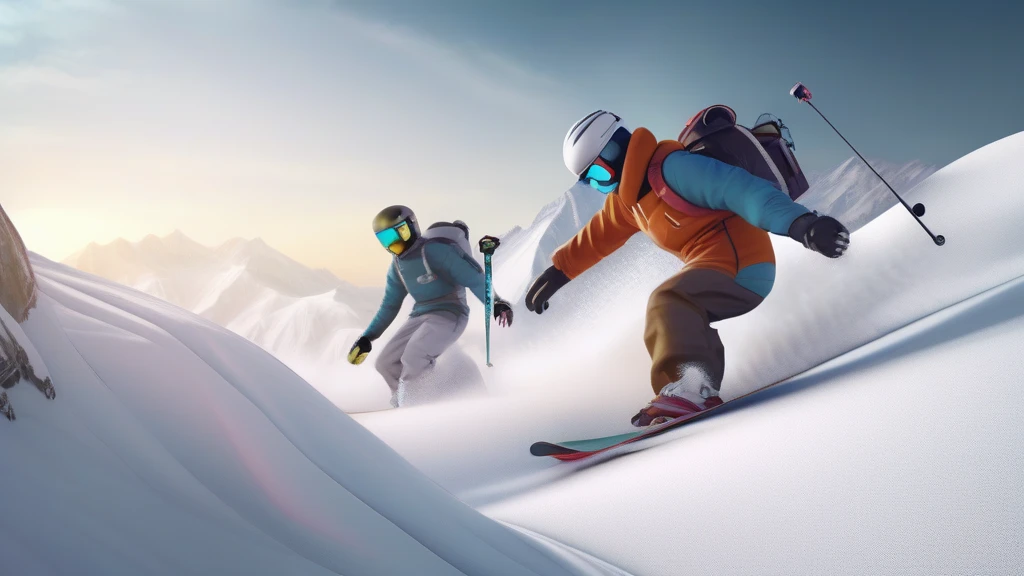
When it comes to winter sports, head protection is non-negotiable. The right ski or snowboard helmet can be the difference between a fun day on the slopes and a serious injury. As we head into 2025, helmet technology continues to evolve—offering enhanced safety, improved comfort, and even greener manufacturing processes. Whether you’re a backcountry adventurer, a freestyle snowboarder, or a casual alpine skier, choosing the best helmet tailored to your needs is essential.
In this guide, we break down the best ski and snowboard helmets of 2025 by use case, highlighting what makes each stand out. We’ll cover key features like safety certifications, impact technologies, fit systems, ventilation, material innovation, and sustainability to help you make an informed decision for your next winter sports adventure.
Understanding Helmet Safety: Certifications and Technologies
Before diving into top helmet picks, it’s crucial to understand the safety standards and technologies that govern helmet performance.
Key Safety Certifications
- CE EN 1077: The European standard for alpine skiing helmets, ensuring impact resistance and penetration protection.
- ASTM F2040: The American standard for snow sport helmets, covering impact absorption and retention system effectiveness.
- ISO 10256: An international standard that outlines testing protocols for helmets used in snow sports.
Helmets meeting one or more of these certifications ensure compliance with rigorous safety testing.
Impact Mitigation Technologies
Modern helmets often incorporate advanced impact absorption systems:
- MIPS (Multi-directional Impact Protection System): A low-friction layer inside the helmet that reduces rotational forces during angled impacts.
- Multi-impact EPS Foam Liners: Unlike single-impact foam, this material can absorb multiple hits, ideal for riders who push limits frequently.
- Hybrid Foam Composites: Some helmets combine EPS foam with expanded polypropylene (EPP) or other materials to balance impact resistance with durability.
Choosing helmets with these technologies can significantly enhance protection during falls or collisions.
Top Helmet Types for Different Winter Sports
Different winter sports impose distinct demands on helmets, from ventilation needs to shell durability. Here’s a breakdown of the best helmet types for key activities:
1. Alpine Skiing and Recreational Snowboarding Helmets
For general downhill skiing and snowboarding, helmets prioritize lightweight construction, ventilation, and goggle compatibility.
- Materials: Polycarbonate shells are common for their balance of durability and weight. Higher-end helmets may use hybrid composites for added protection without bulk.
- Ventilation: Adjustable vents with removable covers help regulate temperature as conditions change.
- Fit Systems: Dial Fit or multi-size padding allow for precise adjustment, critical for all-day comfort.
- Goggle Integration: Magnetic or clip-on goggle holders ensure seamless compatibility and prevent fogging.
These helmets typically feature quick-release chin straps and detachable ear pads for versatility in varying weather.
2. Backcountry and Ice Climbing Helmets
Backcountry adventurers and ice climbers face harsher conditions and unique hazards such as falling debris or tree branches.
- Shell Materials: Carbon fiber or reinforced ABS shells offer superior impact protection and toughness.
- Multi-impact Foam: Helmets designed for repeated impacts use multi-density liners.
- Ventilation: Smaller or adjustable vents help retain warmth while allowing airflow to prevent fogging.
- Additional Features: Compatibility with headlamps and communication devices is often prioritized.
These helmets tend to be more robust and slightly heavier but are optimized for safety and functionality in remote environments.
3. Freestyle Snowboarding Helmets
Freestyle riders require helmets that combine safety with freedom of movement and style.
- Lightweight Design: Use of advanced composites keeps weight low for aerial tricks.
- Impact Protection: MIPS technology is common to reduce rotational injuries.
- Comfort Features: Pressure-free padding and sweat-wicking liners improve wearability during intense activity.
- Style Options: Matte and glossy finishes, customizable shell colors, and graphic designs cater to individual flair.
Ventilation is balanced to avoid overheating without sacrificing protection.
4. Snowmobiling Helmets
Snowmobiling involves higher speeds and exposure to extreme cold, necessitating specialized helmets.
- Full-face Designs: Many helmets include integrated visors or face shields.
- Enhanced Insulation: Thick fleece liners and removable ear pads protect against wind chill.
- Impact Standards: Certifications such as ASTM F2040 with added snowmobile-specific testing.
- Ventilation Control: Advanced vent systems that can close fully to retain heat on cold days.
Durability and secure fit are critical as snowmobiling terrain can be unpredictable.
Innovations in Helmet Materials: Balancing Protection, Weight, and Sustainability
2025 helmets increasingly incorporate cutting-edge materials that improve safety while reducing environmental impact.
- Carbon Fiber and Hybrid Composites: These materials enable stronger yet lighter shells, enhancing portability without compromising protection.
- Eco-Friendly Manufacturing: Some brands use recycled polycarbonate or employ low-carbon footprint processes.
- Recyclable Components: Helmets designed for end-of-life recyclability aim to reduce waste in outdoor gear.
Consumers looking to minimize their environmental footprint should seek out helmets that disclose the use of sustainable materials and responsible production practices.
Fit and Comfort: Key Factors for All-Day Wear
Wearing a helmet that fits well and remains comfortable during long sessions is just as important as safety certifications.
Adjustable Fit Systems
- Dial Fit Systems: Offer micro-adjustments to snugly fit various head shapes.
- Multi-Size Padding Kits: Allow users to customize interior cushioning.
- Pressure-Free Designs: Reduce hotspots and discomfort around the forehead and temples.
Ventilation Features
- Multiple Vents: Adjustable vents on the top, sides, and rear facilitate airflow and temperature control.
- Removable Vent Covers: Help manage airflow in changing weather.
- Anti-Fog Airflow Channels: Specialized venting around goggles prevents fogging during activity.
Comfort Liners and Ear Pads
- Fleece or Sweat-Wicking Liners: Keep heads dry and warm.
- Detachable Ear Pads: Provide added warmth or can be removed for ventilation.
- Ergonomic Shapes: Conform to head contours to reduce pressure points.
Selecting a helmet with these features ensures comfort even during extended use on the mountain.
Maintenance Tips to Extend Helmet Life and Performance
Proper care preserves helmet integrity and safety over multiple seasons.
- Regular Cleaning: Use mild soap and water to clean the shell and liners; avoid harsh chemicals.
- Inspection: Check for cracks, dents, or damaged straps before each use.
- Storage: Store helmets in a cool, dry place away from direct sunlight to prevent material degradation.
- Liner Care: Remove and wash liners and ear pads as per manufacturer instructions to prevent odor and bacteria buildup.
- Replace After Impact: Helmets should be replaced after significant impacts even if no visible damage exists.
Following these guidelines helps maintain helmet effectiveness and comfort.
Accessory Compatibility: Goggles, Communication, and More
Modern helmets often serve as platforms for essential winter sports accessories.
- Goggle Integration: Magnetic or clip systems secure goggles firmly, preventing slippage and fogging.
- Communication Devices: Some helmets feature built-in speaker pockets or mounts for Bluetooth headsets.
- Action Cameras: Mounting points allow attachment of cameras to capture adventures hands-free.
- Visors and Face Shields: Available in certain helmets, especially for snowmobiling or backcountry use.
Ensuring your helmet supports the accessories you rely on enhances both safety and enjoyment.
Conclusion: Choosing the Right Helmet for Your Winter Sport
The best ski and snowboard helmet in 2025 depends on your specific activity, safety requirements, comfort preferences, and environmental values. By considering factors such as:
- Certified impact protection (CE EN 1077, ASTM F2040, ISO)
- Advanced technologies like MIPS and multi-impact foam
- Lightweight and durable shell materials
- Adjustable fit and ventilation systems
- Accessory compatibility
- Sustainability credentials
you can select a helmet that offers comprehensive safety and comfort tailored to your winter sports lifestyle.
No matter your level—from recreational skier to backcountry expert—investing time in choosing a helmet that meets your needs will keep you protected and comfortable season after season. Stay safe out there, and enjoy the thrills of winter sports with confidence.