
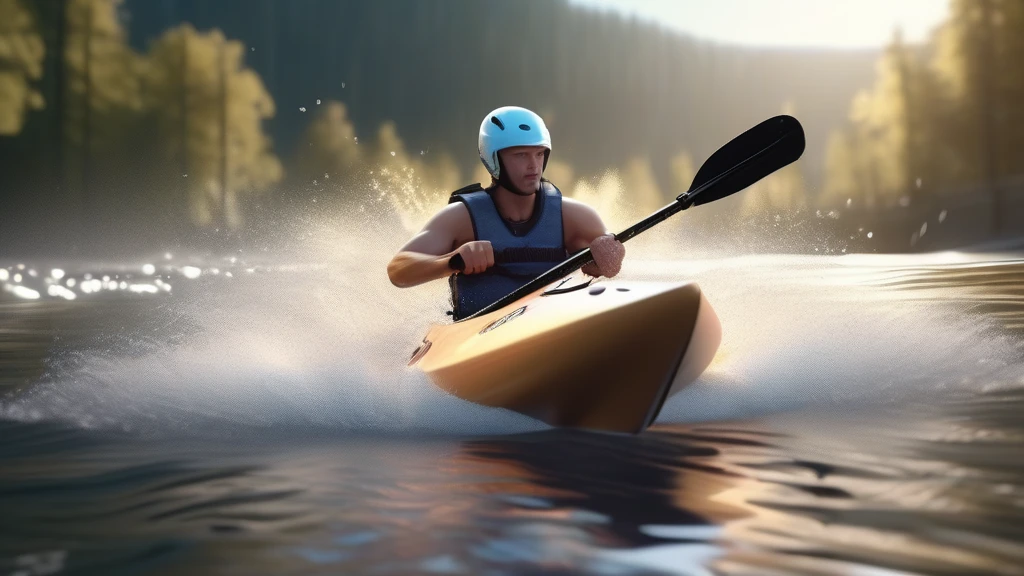
Slalom kayaking demands precision, speed, and agility on dynamic waterways. Whether you're an intermediate paddler honing your technique or a seasoned racer eyeing the podium, selecting the right slalom kayak is critical for performance and enjoyment. The 2025 lineup of slalom kayaks combines cutting-edge materials, aerodynamic designs, and thoughtful ergonomics to meet diverse needs — from competitive sprint racing to fitness paddling and adventure touring.
In this guide, we break down the best slalom kayaks available this year, exploring what makes each model stand out. We’ll cover essential features, construction materials, use cases, and safety considerations to help you make an informed choice. Plus, you’ll find practical tips on training, maintenance, and accessories tailored to the slalom kayaking lifestyle.
Understanding Slalom Kayaks: What Sets Them Apart?
Before diving into specific models, it’s important to grasp what defines a slalom kayak and why its design is so specialized.
Key Characteristics of Slalom Kayaks
- Lightweight Construction: Most slalom kayaks weigh under 35 lbs, enabling quick acceleration and nimble maneuvers.
- Advanced Materials: Carbon fiber, Kevlar, fiberglass, and thermoformed ABS are common, balancing strength and weight.
- Streamlined Hulls: Designed for low drag and high stability at racing speeds, often featuring narrow, aerodynamic shapes.
- Ergonomic Seating: Adjustable, anti-slip seats and footrests improve paddler control and comfort during intense sessions.
- Safety Features: Reinforced hulls, emergency quick-release systems, and certifications such as ISO and CE ensure durability and user protection.
- Portability: Modular or foldable components, plus integrated carry handles, make transport and storage easier.
- Environmental Considerations: Many manufacturers use recyclable materials and low-emission processes to reduce ecological impact.
Top Slalom Kayak Types for 2025
We recommend slalom kayaks grouped into three main categories based on skill level and intended use:
1. High-Performance Racing Kayaks
Ideal for competitive slalom and sprint paddlers seeking peak speed and agility.
- Materials: Predominantly carbon fiber or Kevlar for maximum stiffness and minimal weight.
- Design: Ultra-narrow hulls with pronounced rocker curves for sharp turns.
- Features: Advanced ergonomic cockpit fittings, adjustable foot braces, and spray skirts for water protection.
- Use Case: River sprints and technical slalom courses with rapid gate navigation.
Example Characteristics: Weight often below 30 lbs, hull length ranging 3.5 to 4.2 meters, with reinforced impact zones.
2. Fitness and Intermediate Slalom Kayaks
Perfect for paddlers improving technique, endurance, and control on varied water conditions.
- Materials: Fiberglass or hybrid composites combining durability with moderate weight.
- Design: Balanced hull shapes offering stability without sacrificing speed.
- Features: Comfortable adjustable seats, integrated storage hatches for personal items, and UV-resistant finishes.
- Use Case: Fitness paddling, recreational racing, and moderate downriver touring.
Example Characteristics: Weight around 30-35 lbs, slightly wider beam for enhanced stability, and user-friendly cockpit layouts.
3. Adventure and Tandem Slalom Kayaks
Designed for paddlers who want the thrills of slalom kayaking with added capacity or multi-person options.
- Materials: High-density polyethylene or thermoformed ABS providing ruggedness and impact resistance.
- Design: Stable hull profiles with moderate rocker, suitable for tandem coordination or solo adventure touring.
- Features: Modular seating arrangements, quick-release safety systems, and larger carry handles.
- Use Case: Adventure touring on dynamic rivers, tandem racing, and extended fitness sessions.
Example Characteristics: Weight up to 40 lbs, versatile cockpit space, and integrated storage compartments.
Material Matters: How Construction Impacts Performance
Choosing the right material is as crucial as the kayak’s shape for slalom paddling.
Carbon Fiber and Kevlar
- Pros: Exceptionally lightweight and stiff, delivering unmatched responsiveness and acceleration.
- Cons: Higher cost and increased care required to avoid damage.
- Best For: Serious racers and professionals prioritizing top-tier performance.
Fiberglass and Hybrid Composites
- Pros: Good balance of durability, weight, and affordability; easier to repair.
- Cons: Slightly heavier and less stiff than pure carbon fiber.
- Best For: Intermediate paddlers and fitness enthusiasts wanting a reliable, versatile kayak.
High-Density Polyethylene and Thermoformed ABS
- Pros: Highly impact-resistant and weatherproof; excellent for rugged conditions.
- Cons: Heavier and less responsive at race speeds.
- Best For: Adventure kayakers, tandem paddlers, and those valuing durability over speed.
Essential Features to Look For
When evaluating slalom kayaks, consider these must-have features:
- Adjustable Ergonomic Seating: Allows customization for optimal paddle stroke and reduces fatigue.
- Anti-Slip Cockpits: Enhance control during fast turns and rapid maneuvers.
- Spray Skirts and Water Protection: Keep the cockpit dry and paddler comfortable in rough conditions.
- Integrated Storage Hatches: Useful for carrying essentials during longer fitness or touring sessions.
- Carry Handles and Portability Options: Facilitate easy transport to and from waterways.
- Safety Certifications: Look for ISO, CE, or TÜV marks ensuring compliance with safety standards.
- Warranty and Hull Coverage: Warranties from 1 to 5 years or lifetime hull guarantees indicate manufacturer confidence.
Training Tips for Competitive Slalom Kayaking
Maximize your kayak’s potential with focused training:
- Technique Drills: Practice rapid gate negotiation and tight turning maneuvers to build precision.
- Endurance Paddling: Use intermediate fitness kayaks for longer sessions to improve cardiovascular fitness.
- Strength Training: Core and upper body exercises enhance stroke power and kayak control.
- Safety Practice: Familiarize yourself with quick-release systems and emergency procedures for high-speed scenarios.
Maintenance Best Practices
Proper care extends your kayak’s lifespan and performance:
- Regular Cleaning: Rinse with fresh water after each use to remove debris and salt.
- Hull Inspection: Check for cracks or abrasions, especially in carbon fiber or Kevlar models.
- Storage: Store in a shaded, dry area to prevent UV damage and warping.
- Accessory Care: Maintain spray skirts and footrests, replacing worn components promptly.
- Environmental Care: Dispose of damaged parts responsibly, supporting eco-friendly recycling programs.
Comparing Solo vs. Tandem Slalom Kayaks
- Solo Kayaks: Offer superior maneuverability and speed, ideal for competitive racing and focused fitness training.
- Tandem Kayaks: Provide shared paddling experience and increased stability, suitable for adventure touring and tandem racing events.
Choosing between the two depends on your paddling goals and whether you value individual performance or shared experience.
Recommended Accessories for Slalom Kayaking
Enhance your sessions with these gear essentials:
- Spray Skirts: Crucial for keeping water out during rapid river runs.
- Repair Kits: Compact kits for on-the-go patching of scratches or minor damages.
- Paddles: Lightweight, durable carbon or fiberglass paddles matched to kayak size and paddling style.
- Safety Gear: Helmets, buoyancy aids, and quick-release knives improve safety during high-speed runs.
Environmental Impact and Sustainable Choices
Many manufacturers now prioritize sustainability by:
- Utilizing recyclable composites and eco-friendly resins.
- Implementing low-emission fabrication processes.
- Offering repair services to extend kayak life and reduce waste.
Choosing kayaks from brands committed to environmental stewardship supports the health of waterways and outdoor recreation.
Final Thoughts
Selecting the best slalom kayak in 2025 involves balancing your skill level, intended use, and desired performance characteristics. High-performance carbon fiber models excel for racers, while fiberglass hybrids offer versatility for fitness paddlers. Adventure and tandem kayaks accommodate exploration and shared experiences with durability prioritized.
By understanding materials, design features, and safety systems, you can confidently find a kayak that propels your slalom ambitions forward. Coupled with proper training, maintenance, and accessories, the right slalom kayak opens the door to exhilarating river sprints and fitness adventures for years to come.