
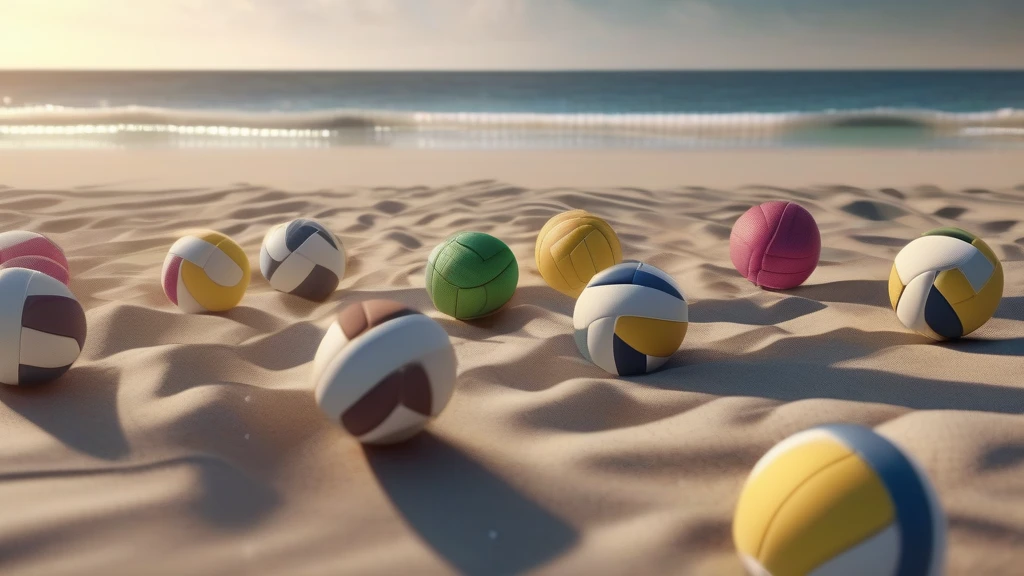
Choosing the right volleyball can significantly enhance your game, whether you're competing in a tournament, training for peak performance, or just enjoying a casual rally at the beach. The volleyball market in 2025 offers a diverse range of high-performance balls tailored to various environments, skill levels, and preferences. This comprehensive guide ranks and breaks down the best volleyballs available today, highlighting what makes each stand out based on materials, design, certification, and specialized features.
Understanding Volleyball Types and Key Features
Before diving into the top products, it’s important to understand the core characteristics that define volleyball quality and suitability.
Materials and Construction
- Composite and Synthetic Leather: Most premium indoor volleyballs use composite or synthetic leather for a soft touch and consistent feel. These materials provide durability without sacrificing control.
- Microfiber and Tear-Resistant Rubber: Outdoor balls, especially beach volleyballs, often incorporate microfiber or tear-resistant rubber to withstand rough surfaces, moisture, and UV exposure.
- Reinforced Stitching and High-Tension Panels: Enhanced durability is achieved through reinforced stitching or thermally bonded high-tension panels, which maintain shape and resist wear over extended play.
Air Retention Technology
- Butyl and Latex Bladders: High-quality balls feature butyl or latex bladders that ensure consistent air retention, sustaining optimal pressure and bounce throughout matches and training sessions. Butyl bladders typically offer superior air retention, while latex bladders provide a livelier bounce.
- Adjustable Pressure Settings: Some training balls come with valves allowing players and coaches to modify internal pressure, tailoring ball responsiveness to skill development needs.
Surface Texture and Grip
- Textured and Anti-Slip Coatings: Surface treatments improve grip and ball control, especially important for indoor play and wet conditions. Beach volleyballs often feature specialized textured surfaces to handle sand and moisture effectively.
Certifications and Standards
- Regulation Size and Weight: Official volleyballs meet size and weight regulations set by organizations such as FIVB (Fédération Internationale de Volleyball), NCAA, TÜV, ISO, and CE.
- Safety and Non-Toxic Materials: Top brands prioritize child-safe, non-toxic coatings and environmentally responsible manufacturing processes.
Environmental Sustainability
- Eco-Friendly Materials: Many new volleyballs incorporate recyclable components and are produced using sustainable methods, appealing to eco-conscious players and organizations.
Ranking the Best Volleyballs of 2025
1. Best Official Indoor Volleyballs
Ideal for competitive indoor play, these volleyballs meet all professional standards and combine precision with durability.
- Key Features:
- Composite or synthetic leather cover for a soft, consistent feel.
- Butyl bladder for superior air retention.
- Thermally bonded panels for seamless surface and enhanced control.
-
Textured surface to improve grip without compromising touch.
-
Why They Stand Out: These balls offer professional-grade performance with regulation size and weight, certified by FIVB and NCAA. Their design balances durability and playability, making them perfect for league matches and tournaments.
2. Best Beach Volleyballs
Designed to withstand outdoor elements like sand, sun, and water, these balls excel in beach volleyball environments.
- Key Features:
- Microfiber or tear-resistant rubber cover with UV-resistant coating.
- Waterproof design to maintain consistent performance despite exposure.
- Reinforced stitching or bonded panels to resist rough play and abrasive surfaces.
-
Slightly softer touch to accommodate outdoor play conditions.
-
Why They Stand Out: Their specialized materials and construction ensure longevity and reliable bounce even under harsh weather conditions. Many also feature eco-friendly materials to minimize environmental impact on beach ecosystems.
3. Best Multi-Surface Volleyballs
For players who want versatility, these volleyballs perform well on grass, indoor courts, and hard surfaces.
- Key Features:
- Durable synthetic leather or composite cover with enhanced abrasion resistance.
- Balanced bladder (often butyl) for consistent pressure across different surfaces.
- Textured surface for improved grip in varying environments.
-
Certified size and weight for official play compatibility.
-
Why They Stand Out: These balls offer flexibility for diverse playing conditions, making them ideal for recreational players, coaches, and clubs who utilize multiple court types.
4. Best Training Volleyballs
Tailored for extended practice sessions, these volleyballs emphasize durability, safety, and customization.
- Key Features:
- Lightweight construction to reduce player fatigue.
- Adjustable internal pressure valves to modify bounce and responsiveness.
- Impact-resistant outer layers to withstand frequent hitting and drops.
-
Available in training sizes smaller than official regulation for skill drills.
-
Why They Stand Out: Training volleyballs help players improve technique with features that reduce injury risk and fatigue while allowing coaches to simulate different play scenarios through pressure adjustments.
5. Best Eco-Friendly Volleyballs
For environmentally conscious buyers, these volleyballs prioritize sustainability without compromising performance.
- Key Features:
- Made from recyclable synthetic materials and natural rubber.
- Manufactured using low-impact, non-toxic processes.
- Durable enough for regular use to extend product lifespan.
-
Certified by environmental standards alongside volleyball regulatory bodies.
-
Why They Stand Out: These balls appeal to players and organizations committed to reducing their ecological footprint, offering a responsible choice with professional-grade features.
How to Choose the Right Volleyball for Your Needs
Selecting the best volleyball depends largely on your playing environment, skill level, and the purpose of use.
Consider Your Playing Environment
- Indoor Court: Opt for composite or synthetic leather balls with butyl bladders and seamless panels to ensure consistent bounce and control.
- Beach Volleyball: Look for waterproof, UV-resistant balls with tear-resistant rubber and textured grips.
- Multi-Surface Play: Choose durable balls with abrasion-resistant surfaces and balanced pressure retention.
Match Certification and Size Requirements
- For official competitions, ensure your ball is certified by FIVB, NCAA, or equivalent bodies, meeting regulation size (typically around 65-67 cm circumference) and weight (260-280 grams).
- Training balls may deviate slightly in size or weight to accommodate skill-building exercises.
Skill Level and Usage Frequency
- Beginners and recreational players may benefit from softer, lighter balls with greater durability.
- Advanced and professional players require precise control and responsiveness, favoring balls with premium materials and construction.
- Frequent practice sessions benefit from training balls designed for impact resistance and adjustable pressure.
Environmental Considerations
- If sustainability matters, seek volleyballs with recyclable materials and eco-friendly manufacturing certifications.
Maintaining Your Volleyball for Long-Term Performance
Proper maintenance extends the life and performance of your volleyball, protecting your investment.
Inflation Tips
- Use a hand pump with a pressure gauge to maintain recommended air pressure (usually between 0.3 to 0.325 kg/cm²).
- Avoid overinflation, which can damage the bladder and affect bounce.
- Check pressure regularly, especially for latex bladder balls that lose air faster.
Cleaning and Storage
- Wipe down the ball with a damp cloth after use, especially if used outdoors.
- Avoid prolonged exposure to direct sunlight, which can degrade synthetic materials.
- Store the ball in a cool, dry place away from sharp objects.
Repairs and Replacement
- Some volleyballs come with repair kits for minor punctures or stitching issues.
- Replace the ball if seams split or the bladder leaks beyond repair, as this affects playability and safety.
Final Thoughts
The volleyballs of 2025 reflect significant advances in materials science, design innovation, and environmental responsibility. Whether you are a professional athlete preparing for competition, a coach guiding training, or a casual player enjoying the game, there’s a volleyball tailored to your specific needs. By understanding the features that matter most—such as material, air retention, grip, certification, and sustainability—you can make an informed choice that enhances your play and aligns with your values.
Choosing the right volleyball is more than just picking a ball off the shelf; it’s about finding a reliable partner that supports your passion for the sport across every serve, set, and spike.