
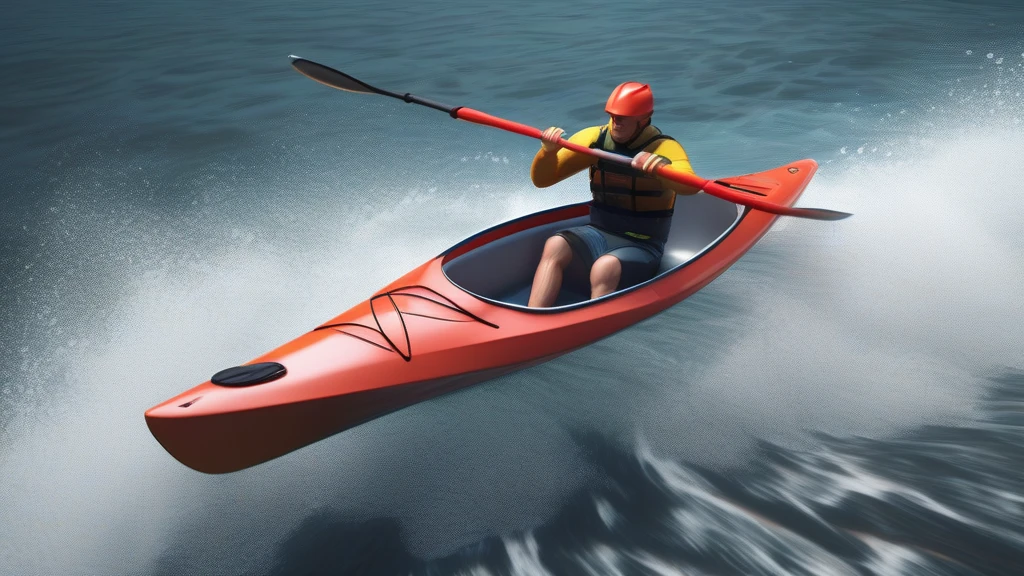
Whitewater kayaking often conjures images of navigating roaring rivers and turbulent rapids. However, the category of whitewater kayaks in 2025 has evolved to prominently feature high-performance sea and touring kayaks tailored for coastal exploration, tidal waters, and long-distance expeditions. This shift reflects the growing demand among paddlers for kayaks that balance speed, stability, and endurance in diverse aquatic environments such as bays, estuaries, large lakes, and open oceans.
In this comprehensive guide, we break down the best whitewater kayaks of 2025, focusing on the product features, materials, and design characteristics that make these models stand out. Whether you are an intermediate paddler, a fitness enthusiast, or an expert seeking a reliable vessel for multi-day coastal adventures, this article will help you identify the ideal kayak to match your skills and paddling goals.
Understanding the Whitewater Kayak Category in 2025
From River Rapids to Coastal Expeditions
While traditionally associated with rapid river navigation, the modern whitewater kayak category now emphasizes sea kayaks optimized for stability, speed, and endurance on tidal and oceanic waters. Unlike extreme whitewater kayaks designed solely for maneuvering through rapids, these vessels cater to paddlers focused on touring, fitness paddling, and long-distance exploration.
Key Features of Modern Whitewater Kayaks
- Materials: Advanced composites like carbon fiber, Kevlar, and fiberglass offer lightweight strength and durability. Rotomolded polyethylene, thermoformed ABS, and high-density polypropylene provide excellent impact resistance without excessive weight.
- Design: Many kayaks incorporate foldable or compact designs with integrated carrying systems such as shoulder straps, deck handles, or wheels to enhance portability.
- Comfort and Control: Adjustable seating, spray skirts, skegs for directional control, deck bungees for securing gear, and watertight storage hatches are standard features.
- Load Capacity: High load capacities ranging from 300 to 500 pounds support solo and tandem use with ample gear.
- Safety Compliance: Models often meet US Coast Guard, TÜV, CE, or ISO certifications to ensure safety and reliability.
Top Whitewater Kayak Types and Their Best Uses
When assessing the best whitewater kayaks for your needs, it’s important to consider how the kayak’s features align with your intended activities and skill level. Below we outline the primary kayak types within this category.
1. Touring Sea Kayaks for Endurance and Exploration
Characteristics:
- Length: Typically 14 to 18 feet
- Materials: Carbon fiber, Kevlar, or fiberglass for lightweight performance
- Features: Skegs for enhanced tracking, multiple storage hatches, adjustable seats, spray skirts
- Load Capacity: Around 350-500 lbs
Best For: Long-distance coastal paddling, multi-day expeditions, and tidal water navigation.
Why They Stand Out: These kayaks excel at balancing speed and stability, allowing paddlers to cover extended distances efficiently while carrying camping gear and supplies. Their lightweight construction minimizes fatigue on long journeys, while durable materials ensure resilience against coastal conditions and UV exposure.
2. Recreational and Fitness Kayaks for Intermediate Paddlers
Characteristics:
- Length: 12 to 15 feet
- Materials: Rotomolded polyethylene or thermoformed ABS for durability
- Features: Foldable designs with integrated carrying straps, comfortable adjustable seats, smaller storage compartments
- Load Capacity: Around 300-400 lbs
Best For: Fitness paddling, tidal water exploration, and day trips on bays or lakes.
Why They Stand Out: These kayaks provide a solid blend of stability and performance at an accessible price point. Their durable construction withstands frequent use and occasional impacts. Portability features make them ideal for solo paddlers who need to transport their kayak easily without assistance.
3. Tandem Kayaks for Shared Adventures
Characteristics:
- Length: 15 to 18 feet
- Materials: Fiberglass or composite blends for lightweight strength
- Features: Dual seating with adjustable foot braces, large storage hatches, deck bungees, and spray skirts for both paddlers
- Load Capacity: 450-500 lbs
Best For: Couples or pairs seeking to share coastal tours or lake expeditions.
Why They Stand Out: Tandem kayaks offer increased load capacity and space, making them ideal for carrying extra gear or longer trips. Their design promotes teamwork and balance, with features ensuring comfort for both paddlers during extended excursions.
Material Matters: Choosing the Right Construction for Your Kayak
The material used in the kayak's hull and deck directly impacts weight, durability, UV resistance, and performance. Understanding these differences can guide your selection.
Carbon Fiber and Kevlar
- Advantages: Extremely lightweight and strong, ideal for paddlers prioritizing speed and endurance.
- Considerations: These materials are more expensive and may require careful handling to avoid damage.
- Use Case: Best suited for expert paddlers and serious touring enthusiasts who demand top-tier performance on long coastal expeditions.
Fiberglass
- Advantages: Lightweight with good rigidity, offering a balance between performance and affordability.
- Considerations: Less impact-resistant than polyethylene but easier to repair.
- Use Case: Popular with intermediate paddlers seeking durability and speed without the higher cost of carbon fiber.
Rotomolded Polyethylene and Thermoformed ABS
- Advantages: Highly durable, impact-resistant, and UV-resistant, with moderate weight.
- Considerations: Heavier than composite materials, potentially reducing speed and endurance.
- Use Case: Ideal for beginners, fitness paddlers, and those who prioritize ruggedness and low maintenance over maximum performance.
Safety Certifications: What They Mean and Why They Matter
When selecting a whitewater kayak, safety certifications provide assurance that the vessel meets rigorous standards for stability, buoyancy, and structural integrity.
- US Coast Guard (USCG): Indicates compliance with the U.S. federal safety standards for flotation and design.
- TÜV and CE: European certifications ensuring quality control and safety in design and manufacture.
- ISO: International standards addressing performance and safety aspects.
Prioritize kayaks carrying one or more of these certifications to ensure your craft has undergone thorough testing and meets recognized safety benchmarks.
Essential Accessories for Whitewater and Sea Kayaking
Enhancing your kayaking experience involves equipping yourself with the right gear. Below are some must-have accessories for whitewater sea kayaks.
Spray Skirts
- Prevent water ingress in rough or tidal conditions.
- Ensure a snug fit around the cockpit to maintain dryness.
Paddles
- Carbon fiber paddles offer lightweight efficiency for endurance paddling.
- Feathered blades reduce wind resistance and improve stroke rhythm.
Storage Solutions
- Deck bungees for securing dry bags or safety gear.
- Watertight hatches for storing essentials like food, tools, and clothing.
Safety Gear
- Personal flotation devices (PFDs) specifically designed for kayaking.
- Whistles, waterproof communication devices, and first aid kits.
Maintenance Tips to Extend Kayak Lifespan
Investing in proper care will keep your kayak performing well for years.
- UV Protection: Regularly apply UV protectant sprays to hull and deck surfaces to prevent sun damage.
- Cleaning: Rinse thoroughly with fresh water after use in saltwater environments to avoid corrosion.
- Storage: Store kayaks indoors or use covers to shield from elements; foldable models benefit from dry, ventilated storage.
- Inspection: Frequently check for cracks, dings, or damage, especially around seams and fittings.
Transportation and Storage: Maximizing Portability
Modern whitewater kayaks often feature foldable or compact designs to facilitate transport and storage.
- Carrying Systems: Integrated shoulder straps and deck handles allow one-person lift and carry.
- Wheeled Trolleys: Some models include attachable wheels for towing over short distances.
- Compact Folding: Enables storage in small garages, apartments, or vehicle trunks.
Choose a kayak whose portability features align with your storage space and transport routines.
Training Recommendations for Fitness Paddlers
Sea kayaks designed for fitness and endurance benefit from structured training programs:
- Technique Drills: Focus on stroke efficiency and body rotation to enhance speed and reduce fatigue.
- Interval Paddling: Alternate high-intensity bursts with recovery periods to build cardiovascular endurance.
- Cross-Training: Incorporate strength and flexibility exercises to improve paddling power and reduce injury risk.
Conclusion: Matching Your Kayak to Your Adventure
The best whitewater kayaks of 2025 cater to diverse paddling styles and environments, from solo coastal explorers to tandem touring enthusiasts. By understanding the nuances of kayak materials, design features, safety standards, and accessories, you can select a vessel that perfectly suits your endurance goals, water conditions, and portability needs.
Whether prioritizing lightweight carbon fiber speed or rugged polyethylene durability, the key is choosing a kayak that balances performance with comfort and safety to enjoy countless memorable journeys on the water.