
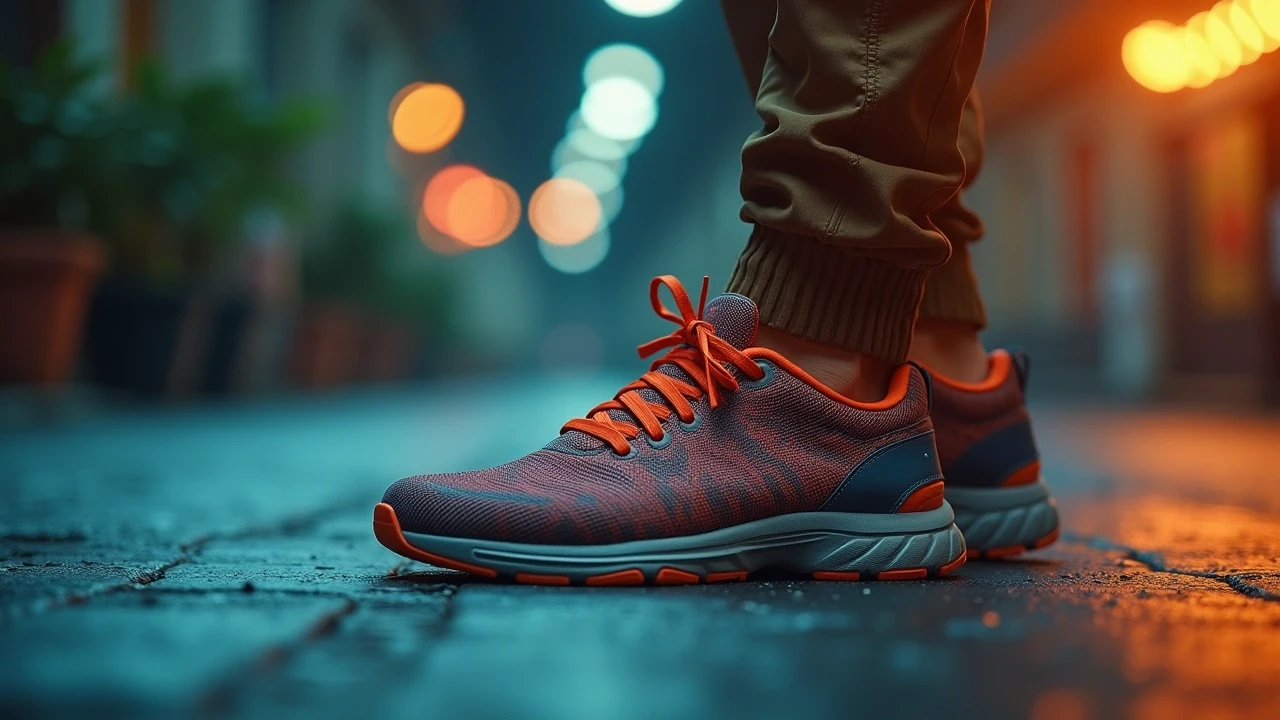
Choosing the right footwear is about more than just looks—it’s a balance of comfort, function, style, and sustainability. Whether you’re gearing up for an aquatic adventure, elevating your urban streetwear, or seeking effortless casual shoes for everyday wear, understanding key features and product characteristics can help you make informed decisions that suit your lifestyle and values.
This comprehensive buying guide covers everything from specialized water shoes to urban sneakers and casual slip-ons. We’ll explore what to look for, common pitfalls to avoid, and how to select footwear that supports your activities while aligning with modern performance and environmental standards.
Understanding the Three Main Footwear Categories
Footwear today is designed to meet a wide range of lifestyle needs. This category breaks down into three core sub-categories, each with distinct features and target users:
1. Water Shoes and Barefoot Shoes
Purpose: Built for water-based and outdoor activities like hiking near streams, paddleboarding, surfing, and swimming.
Key Features:
- Quick-Dry, Breathable Materials: Often constructed from breathable neoprene and quick-dry polyester to prevent waterlogging and promote fast evaporation.
- Protective Toe Caps: Reinforced toe areas shield feet from rocky or sharp underwater terrain.
- Drainage and Ventilation: Sophisticated drainage holes or mesh panels allow water to escape quickly, reducing weight and discomfort.
- Non-Slip Soles: Specialized rubber compounds and tread patterns provide traction on wet, slippery surfaces.
- UV and Abrasion Resistance: Durable coatings protect against sun damage and wear from rough environments.
2. Urban Sneakers and High-Tops
Purpose: Designed for streetwear enthusiasts, skaters, athleisure users, and urban commuters who want a blend of style, durability, and comfort.
Key Features:
- Arch Support and Shock Absorption: Ergonomic insoles with cushioned midsoles reduce foot fatigue during long periods of walking or standing.
- Durable Synthetic Fabrics: Reinforced materials withstand daily wear, skateboarding impacts, and variable weather.
- Adjustable Closures: Traditional laces or quick-toggle systems provide a secure, customized fit.
- Weatherproofing: Some models feature water-resistant fabrics or coatings to protect against rain or spills.
- Stylish Designs: From bold colors to minimalist patterns, these shoes are fashion-forward while functional.
3. Casual Slip-Ons and Low-Tops
Purpose: Ideal for daily casual wear, travel, or light outdoor activities requiring convenience and breathability.
Key Features:
- Lightweight, Breathable Fabrics: Mesh or knit uppers promote airflow to keep feet cool.
- Easy Adjustability: Slip-on designs with elastic gussets or Velcro closures offer quick on/off without sacrificing fit.
- Flexible Soles: EVA foam soles with flexibility encourage natural foot movement.
- Arch Support and Cushioning: Comfortable insoles support all-day wear.
- Versatile Aesthetics: Neutral colors and minimalist styles fit various casual settings.
What to Consider When Buying Footwear in This Category
To select the best shoe for your needs, pay attention to the following factors:
Material Technology
Materials affect durability, comfort, and environmental impact. Look for shoes made with:
- Breathable Neoprene and Polyester: Enhance moisture management in water shoes.
- Eco-Friendly EVA Foam: Lightweight cushioning with recyclable properties.
- Durable Synthetic Fabrics: Resist wear and extend shoe life in urban sneakers.
- Non-Toxic Coatings: Reduce environmental harm while protecting shoes from elements.
Fit and Comfort Features
Comfort is paramount, especially if you wear shoes for extended periods. Features to prioritize include:
- Adjustable Closures: Laces, Velcro, or quick-toggle systems allow personalized fit and prevent slipping.
- Ergonomic Insoles: Arch support and cushioned footbeds reduce strain and improve posture.
- Flexible Soles: Promote natural foot movement, important for hiking, skating, or casual walking.
- Ventilation Systems: Mesh panels or drainage holes prevent overheating and moisture buildup.
Performance and Protection
Depending on your activity, certain protective features are essential:
- Reinforced Toe Caps: Critical for water shoes and urban sneakers to guard against impact.
- Non-Slip Soles: Look for specialized rubber compounds with deep tread patterns for traction on wet rocks or urban pavements.
- Quick-Drying Capabilities: Essential for water shoes to avoid prolonged wetness and discomfort.
- Weatherproofing: Water-resistant finishes keep urban sneakers looking fresh through rainy days.
Style and Versatility
Your shoes should complement your lifestyle and wardrobe:
- Color Choices: Vibrant hues for streetwear; neutral or earth tones for casual slip-ons; functional yet stylish patterns for water shoes.
- Design Adaptability: Some water shoes double as casual wear; urban sneakers can transition from sports to social settings.
- Minimalist vs Bold: Decide whether you prefer subtle, versatile designs or eye-catching statement pieces.
Sustainability Considerations
Increasingly, environmentally conscious buyers are prioritizing:
- Recyclable Materials: EVA foam, synthetic fabrics, and neoprene that can be repurposed.
- Low Carbon Manufacturing: Brands using processes that reduce greenhouse gas emissions.
- Non-Toxic Treatments: Avoidance of harmful dyes or coatings improves ecological footprint.
Common Buying Mistakes to Avoid
Even with thorough research, it’s easy to overlook certain aspects. Avoid these pitfalls:
- Ignoring Proper Fit: Shoes that are too tight or loose cause blisters and discomfort. Always try on or consult sizing charts carefully, especially for water shoes where swelling can occur during activities.
- Overlooking Activity-Specific Features: Using casual slip-ons for water sports or urban sneakers for rugged hikes compromises performance and safety. Match shoe type to primary use.
- Neglecting Breathability: Footwear without adequate ventilation leads to overheating, odor, and fungal infections.
- Disregarding Durability for Style: A trendy shoe that wears out quickly isn’t cost-effective or sustainable. Balance aesthetics with robust materials.
- Forgetting Environmental Impact: Skip shoes with unknown or harmful manufacturing practices if sustainability matters to you.
How to Choose the Right Product for Your Lifestyle
Follow this step-by-step approach to narrow your options:
Step 1: Define Your Primary Use
- Aquatic and outdoor adventures? Opt for water shoes with drainage, toe protection, and quick-dry fabrics.
- Urban commuting and streetwear? Pick sneakers with arch support, shock absorption, and durable uppers.
- Everyday casual comfort? Choose slip-ons featuring lightweight breathability and easy adjustability.
Step 2: Prioritize Key Features
List the must-have features for your activities. For example, if you hike near streams, non-slip soles and reinforced toe caps are critical. If you want fashion-forward sneakers, look for versatile designs and weatherproofing.
Step 3: Assess Fit and Comfort
Try multiple styles if possible. Look for ergonomic insoles, adjustable closures, and flexible soles. Read reviews or product descriptions to ensure breathability and moisture management.
Step 4: Consider Sustainability
Check if the shoe uses recyclable materials, low-impact manufacturing, or non-toxic coatings. Certifications or brand transparency can guide eco-friendly choices.
Step 5: Evaluate Style and Versatility
Pick colors and designs that fit your wardrobe and allow use in multiple scenarios—whether transitioning from water to land or casual to sport.
Practical Examples of Feature Combinations
- A water shoe with breathable neoprene, quick-drainage mesh, reinforced toe caps, and non-slip EVA soles is perfect for paddleboarding and rocky beach hikes.
- An urban high-top sneaker with cushioned insoles, shock-absorbing midsoles, durable synthetic uppers, and waterproof coatings suits skating and city commuting alike.
- A casual slip-on constructed from lightweight knit fabric, flexible EVA soles, and elastic side gussets delivers all-day comfort for travel and errands.
Conclusion
Buying footwear from the apparel and accessories category is a blend of understanding your lifestyle needs and knowing which product features align with those needs. Whether it’s the technical performance of water shoes, the style and durability of urban sneakers, or the convenience and breathability of casual slip-ons, prioritizing comfort, protection, sustainability, and versatility ensures you invest in shoes that serve you well.
By considering materials, fit, performance, style, and eco-conscious production, you can confidently select footwear that enhances your daily activities while supporting a healthier planet. Use this guide as a roadmap to navigate the diverse offerings and find the perfect pair that meets your unique demands.