
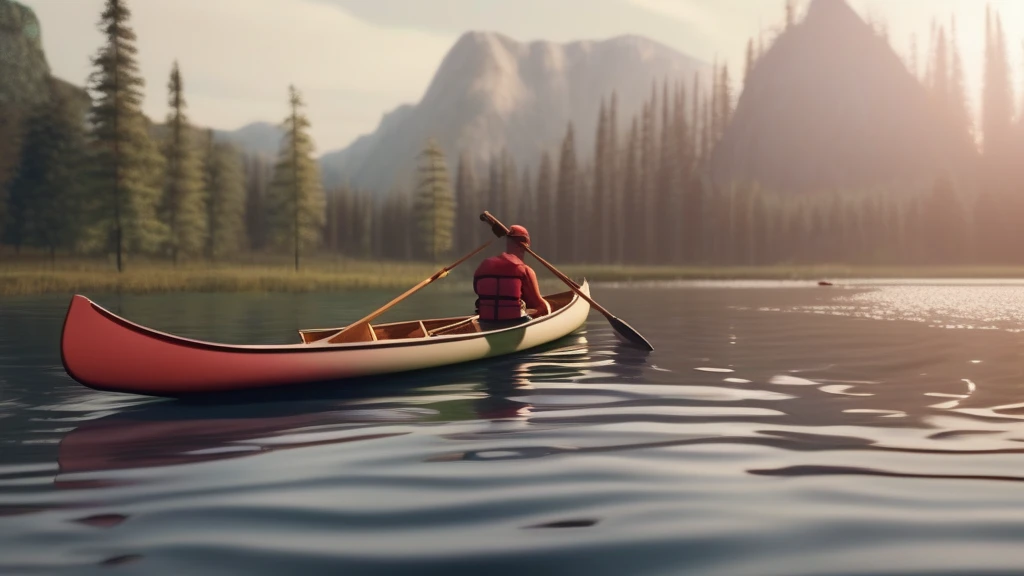
Canoeing is one of the most rewarding ways to connect with nature, whether you seek tranquil paddling on calm lakes, a leisurely family outing on gentle rivers, or an adventurous wilderness expedition. However, choosing the right canoe can be overwhelming given the variety of styles, materials, and features available. This comprehensive buying guide will walk you through everything you need to know to make an informed decision—from understanding hull shapes and construction materials to selecting practical features and avoiding common mistakes.
Understanding Canoe Types and Their Uses
Before diving into specific features, it’s important to understand the two main categories of canoes: traditional hard-shell canoes and inflatable canoes. Each type caters to different lifestyles and water activities.
Traditional Hard-Shell Canoes
These are the classic canoes crafted from materials like fiberglass, Royalex, marine-grade polyethylene, Kevlar composites, and aluminum. They offer excellent durability, performance, and a blend of modern and traditional design elements.
- Fiberglass and Kevlar: Lightweight and fast, these materials are favored by paddlers who want maneuverability and speed. Kevlar, in particular, is prized for its high strength-to-weight ratio, making it ideal for expedition or recreational use.
- Royalex: Known for its impact resistance and durability, Royalex is a popular choice for beginners and family use. It is heavier than Kevlar but offers excellent toughness on rocky waterways.
- Marine-grade Polyethylene: Extremely durable and low maintenance, polyethylene canoes withstand rough use, making them great for fishing and casual paddling.
- Aluminum: Very rugged and virtually indestructible, aluminum canoes are great for rugged environments but tend to be heavier and noisier on the water.
Traditional canoes often feature classic design touches such as cedar strip hulls, wood gunwales, and cane or padded seats, combining aesthetic appeal with functionality.
Inflatable Canoes
Inflatable canoes are constructed from reinforced vinyl, PVC, or Hypalon and emphasize portability and ease of storage. They roll up compactly and can be inflated quickly with a high-pressure pump.
- Portability: Perfect for those with limited storage space or who want to travel with their canoe.
- Durability: Modern inflatables use tough materials resistant to punctures and abrasions.
- Setup: Many come with repair kits and removable seats or floorboards to enhance comfort and performance.
Inflatable canoes are ideal for casual paddlers, families, and campers who prioritize convenience and flexibility over high-speed performance.
Key Features to Consider When Buying a Canoe
Hull Design and Its Impact on Performance
The shape of the canoe’s hull directly influences stability, maneuverability, and speed. Common hull shapes include:
- Flat Bottom: Offers exceptional initial stability, making it perfect for beginners, families, and fishing in calm waters.
- V-Bottom: Cuts through water efficiently, providing better tracking and speed but less initial stability.
- Round Bottom: Enhances maneuverability and smooth paddling but requires more skill to balance.
- Asymmetrical Hull: Combines straight tracking with easier turning, favored in expedition canoes.
- Shallow Arch: Provides a balance of stability and speed, excellent for all-around recreational use.
Choose a hull shape aligned with your intended water conditions and skill level.
Materials: Durability vs. Weight
- Kevlar Composites: Lightweight and strong, suitable for long trips or when carrying the canoe over portages.
- Fiberglass: Durable and provides a smooth finish but heavier than Kevlar.
- Royalex: Durable with impact resistance, excellent for rocky rivers but heavier.
- Polyethylene: Very tough and low maintenance, ideal for fishing and rugged use.
- Aluminum: Extremely durable but heavy and prone to noise.
- PVC/Hypalon Inflatable: Lightweight and portable with good puncture resistance, perfect for casual use.
Balance your need for durability, weight, and maintenance when selecting materials.
Seating Comfort and Ergonomics
Long hours on the water require comfortable seating. Look for:
- Padded Seats: Provide cushion and reduce fatigue.
- Webbed or Cane Seats: Traditional and breathable, offering a natural feel.
- Adjustable or Removable Seats: Allow customization and easy maintenance.
- Backrests: Some models include padded backrests for added support.
Storage and Gear Management
If you plan to carry fishing gear, camping supplies, or picnic essentials, consider canoes with:
- Dry Storage Hatches: Keep valuables safe and dry.
- Gear Tie-Down Points: Secure equipment to prevent shifting.
- Ample Cargo Space: Wide hulls and longer length offer more room.
- Removable Storage Bags or Compartments: For better organization.
Fishing enthusiasts especially benefit from models designed with stability and storage in mind.
Portability and Transport
Transporting your canoe can be a challenge if you don’t have the right features:
- Carry Yokes and Shoulder Harnesses: Distribute weight evenly and ease carrying.
- Removable or Foldable Components: Some canoes have detachable seats or gunwales.
- Portage Wheels: Help wheel the canoe over land, especially useful for wilderness trips.
- Inflatable Canoes: Offer the ultimate portability, packing down into compact bags.
Ensure your choice supports your usual transport methods and storage availability.
Safety Certifications and Warranties
Look for certifications such as ISO, TÜV, or CE to guarantee that the canoe meets strict safety and quality standards. Many manufacturers offer warranties ranging from 1 year to lifetime hull guarantees, providing peace of mind for your investment.
Common Mistakes to Avoid When Buying a Canoe
- Choosing Based Solely on Price: A cheaper canoe may lack durability or features needed for your intended use.
- Ignoring the Hull Shape: Selecting a hull that doesn’t match your water conditions or skill level can lead to frustration or safety risks.
- Overlooking Weight and Portability: A heavy canoe can be difficult to transport, especially for solo paddlers.
- Neglecting Storage Needs: Insufficient storage or gear management features can limit your activity options.
- Forgetting About Comfort: Uncomfortable seating can shorten paddling sessions and reduce enjoyment.
- Not Checking Warranty and Certification: These indicate the quality and reliability of the product.
How to Choose the Right Canoe for You
Step 1: Define Your Primary Use
- Family Recreation: Opt for stable, wide-hull canoes with flat or shallow arch bottoms and comfortable seating.
- Beginner Paddling: Choose canoes with maximum stability and lightweight materials like Royalex or polyethylene.
- Fishing: Look for models with enhanced stability, gear tie-downs, dry storage, and ample space.
- Wilderness Expeditions: Prioritize lightweight Kevlar or fiberglass canoes with asymmetrical hulls for speed and maneuverability.
- Portability Needs: Consider inflatable canoes with durable Hypalon or reinforced vinyl materials.
Step 2: Select the Ideal Material and Hull Shape
Match the canoe material and hull design to your environment and activity intensity.
Step 3: Evaluate Features for Comfort and Convenience
Seats, storage compartments, and portability aids will enhance your experience on the water.
Step 4: Verify Safety Certifications and Warranty Terms
Choose canoes with recognized certifications and robust warranty coverage.
Step 5: Test Paddle if Possible
Before finalizing your purchase, test paddling to assess comfort, stability, and handling.
Conclusion: Making the Most of Your Canoe Investment
Choosing the right canoe involves balancing your specific needs, skill level, and lifestyle with the right combination of materials, hull design, and features. Whether you want a sturdy polyethylene canoe for family outings, a sleek Kevlar model for expeditions, or a portable inflatable for weekend adventures, understanding these key aspects will help you select a canoe that delivers safety, comfort, and fun for years to come.
Remember, the best canoe is one that invites you back on the water again and again, making every paddle a memorable outdoor experience. Happy paddling!