
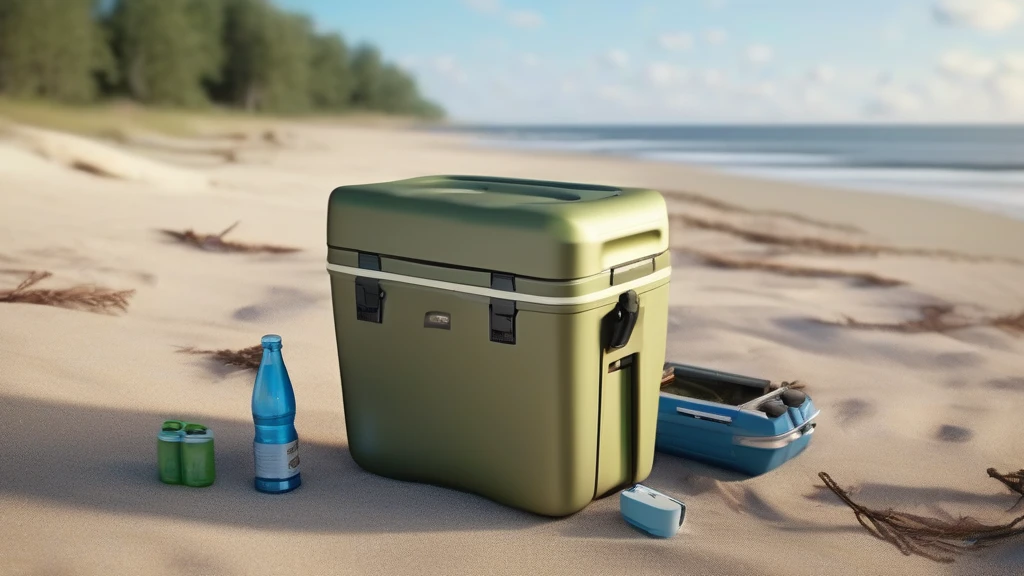
When planning outdoor activities like camping, fishing, beach outings, or backyard gatherings, keeping your food and beverages chilled is essential for safety and enjoyment. Coolers serve as portable refrigeration units that safeguard perishables and refreshment from heat and spoilage. This comprehensive guide will walk you through the key features to consider when choosing a cooler, common pitfalls to avoid, and tips to match your cooler selection to your lifestyle and activity needs.
Understanding Cooler Types: Which One Fits Your Needs?
Coolers come in a variety of designs and technologies, each tailored to different use cases, group sizes, and portability preferences. Understanding the main categories helps narrow down your choices.
Hard-Shell Rotomolded Coolers
These coolers are crafted from rotomolded plastic, offering rugged durability and superior insulation. The process creates a seamless, impact-resistant shell that can withstand rough handling, UV exposure, and extreme weather. Many models feature double-walled, vacuum-sealed insulation that can keep ice frozen for 48 to 72 hours—ideal for multi-day camping or fishing trips.
Key characteristics:
- Heavy-duty construction with thick walls
- Leakproof, lockable lids
- Integrated drain plugs for easy water removal
- High capacity options (up to 75 quarts)
- Often equipped with anti-stain and UV-resistant coatings
Best for: Extended outdoor excursions, large groups, rough terrains, and situations requiring maximum ice retention.
Soft-Sided Fabric Coolers
Soft coolers are made from durable, high-density polyester nylon or EVA foam and typically weigh less than hard coolers. They are often insulated with gel-based or hybrid materials to maintain chill for 12 to 24 hours. Their flexible design allows for easy storage and transport.
Key characteristics:
- Lightweight and collapsible for compact storage
- Non-slip ergonomic handles and adjustable shoulder straps
- Leakproof liners for easy cleaning
- Capacity ranges from small 12-can day trip models to medium 30-can sizes
- Eco-friendly options using BPA-free and recyclable materials
Best for: Day trips, picnics, beach outings, and casual use where lightness and portability are priorities.
Wheeled Coolers
Wheeled coolers combine the insulation power of hard coolers with the convenience of mobility. Equipped with telescoping or foldable handles and rugged wheels, they ease transport over parking lots, campgrounds, and paved trails.
Key characteristics:
- Durable hard-shell or hybrid construction
- Large capacity suitable for group events and parties
- Smooth-rolling wheels designed for diverse terrains
- Lockable lids and secure latch systems
Best for: Tailgating parties, beach days, family reunions, or any event where carrying a heavy load would be cumbersome.
Backpack Coolers
Backpack coolers integrate insulated compartments within ergonomic backpack designs. They free up your hands and distribute weight evenly, making them excellent for hikes or fishing trips.
Key characteristics:
- Soft-sided with high-performance insulation layers
- Multiple compartments for food, drinks, and accessories
- Comfortable padded shoulder straps and ventilation
- Leakproof inner lining and easy-clean surfaces
Best for: Active outdoor enthusiasts, hikers, anglers, and those needing compact, hands-free cooling solutions.
Collapsible Coolers
These innovative coolers fold flat when empty, saving storage space. While insulation tends to be less robust than hard-shell models, advancements in gel insulation and fabric technology provide respectable ice retention for short outings.
Key characteristics:
- Foldable design made from EVA foam or polyester
- Leakproof and often dishwasher-safe liners
- Small to medium capacities for day use
- Lightweight and easy to store in vehicles or cabinets
Best for: Urban picnickers, small families, and anyone needing a space-efficient cooler.
Electric Coolers
Electric coolers use powered refrigeration to maintain cold temperatures without ice. They typically plug into car cigarette lighters or portable battery packs, offering consistent cooling for several days.
Key characteristics:
- Thermoelectric or compressor cooling systems
- Adjustable temperature controls
- Durable plastic or metal exteriors
- Medium capacities (20 to 40 quarts)
- May include USB ports or built-in lighting
Best for: Road trips, RV travels, and situations where ice supply is limited or inconvenient.
Essential Features to Consider Before Buying
Choosing the right cooler involves evaluating features that impact durability, insulation performance, convenience, and maintenance.
Insulation Technology and Ice Retention
A cooler's ability to keep contents cold hinges on its insulation. Look for:
- Double-walled, vacuum-sealed insulation: Provides superior thermal protection by minimizing heat transfer.
- Gel-based or hybrid insulation: Common in soft-sided coolers, these materials strike a balance between weight and cooling duration.
- Ice retention time: For multi-day trips, aim for 48+ hours of ice retention. Hard-shell rotomolded coolers excel here.
- Sealing and lid design: Leakproof, lockable lids with gasket seals prevent warm air infiltration.
Construction Materials and Durability
The cooler’s shell and lining materials determine its resilience and ease of cleaning.
- Rotomolded plastic: Highly impact-resistant and weatherproof, perfect for rugged use.
- High-density polyester nylon and EVA foam: Provide flexibility and lightweight strength for soft coolers.
- BPA-free, recyclable components: Ensure safety and environmental responsibility.
- Anti-stain and UV-resistant coatings: Protect against discoloration and sun damage.
- Stainless steel hardware: Corrosion-resistant hinges, handles, and latches enhance longevity.
Portability and Ergonomics
Consider how you will transport the cooler:
- Handles: Non-slip, ergonomic grips reduce hand fatigue.
- Straps: Adjustable shoulder or backpack straps offer hands-free options.
- Wheels: Large, durable wheels and telescoping handles ease movement of heavy loads.
- Weight: Balance insulation capacity with manageable weight, especially for solo travelers or hiking.
Capacity and Size
Choose a cooler size that matches your group and trip duration:
- Small (up to 20 quarts): Suitable for solo use or day trips with a few beverages.
- Medium (20-50 quarts): Ideal for small families or weekend excursions.
- Large (50+ quarts): Best for group events, multi-day camping, or parties.
Additional Functional Features
Extra features can enhance usability:
- Built-in bottle openers and cup holders: Convenient for social gatherings.
- Removable dividers: Help organize contents and prevent crushing.
- Easy-drain systems: Simplify removal of melted ice water.
- Locking mechanisms: Provide security and prevent accidental lid opening.
- Anti-slip feet: Keep the cooler stable on uneven surfaces.
Common Mistakes to Avoid When Buying a Cooler
Choosing the wrong cooler can lead to frustration, spoilage, or unnecessary expense. Avoid these pitfalls:
- Overestimating capacity: Buying an oversized cooler can add unnecessary weight and bulk.
- Ignoring insulation quality: Cheaper coolers with thin walls won’t keep ice frozen long enough.
- Neglecting portability: Heavy or awkward coolers can be difficult to transport without wheels or straps.
- Overlooking intended use: A cooler that works for backyard parties may not endure rugged camping conditions.
- Ignoring maintenance requirements: Some materials stain easily or retain odors if not cleaned properly.
- Disregarding environmental impact: Opt for BPA-free, recyclable, or sustainably produced coolers when possible.
Tips for Maximizing Cooler Performance and Longevity
Once you have your cooler, proper use and care will ensure it stays effective and durable.
Maximizing Ice Retention
- Pre-chill the cooler by filling it with ice or cold water for a few hours before loading.
- Use block ice or large ice packs rather than small cubes—they melt slower.
- Keep the cooler out of direct sunlight and cover it with a reflective blanket for added insulation.
- Limit opening the cooler frequently to maintain cold air inside.
- Organize contents with removable dividers to minimize shifting and air pockets.
Effective Organization
- Pack heavier items at the bottom for stability.
- Use resealable containers to prevent leaks and cross-contamination.
- Separate beverages and food for easy access.
- Label contents for quick identification during outings.
Cleaning and Maintenance
- Empty water regularly via drain plugs to prevent mold and bacteria buildup.
- Clean liners and shells with mild soap and water; avoid harsh chemicals that degrade materials.
- Air dry the cooler fully before storage to prevent odors.
- Store in a cool, dry place away from direct sunlight.
- Inspect hardware and seals periodically for wear and replace parts as needed.
Making the Right Choice for Your Outdoor Lifestyle
Selecting the perfect cooler boils down to matching features with your specific needs:
| Activity Type | Recommended Cooler Type | Key Features to Prioritize |
|---|---|---|
| Day hiking or fishing | Backpack cooler or soft-sided | Lightweight, ergonomic straps, leakproof liners |
| Family picnic or beach | Medium soft cooler or wheeled | Portability, moderate capacity, easy to clean |
| Multi-day camping/fishing | Hard-shell rotomolded cooler | Maximum ice retention, rugged durability |
| Tailgating or parties | Large wheeled cooler with extras | Large capacity, wheels, bottle opener, cup holders |
| Road trips or RV travel | Electric cooler | Consistent cooling, plug-in power, adjustable temp |
By carefully evaluating insulation, durability, portability, capacity, and extras, you can select a cooler that keeps your food and beverages perfectly chilled and enhances your outdoor experience.
Conclusion
Coolers are indispensable tools for preserving freshness and comfort during outdoor adventures. Whether you need the rugged endurance of a rotomolded hard cooler, the lightweight convenience of a soft-sided model, or the high-tech convenience of an electric cooler, understanding the materials, insulation technologies, and design features empowers you to make an informed purchase.
Consider your typical activities, group size, transport options, and commitment to sustainability when selecting your cooler. With the right choice and proper maintenance, your cooler will be a reliable companion for every picnic, trip, or celebration, keeping your food safe and your drinks refreshingly cold.