
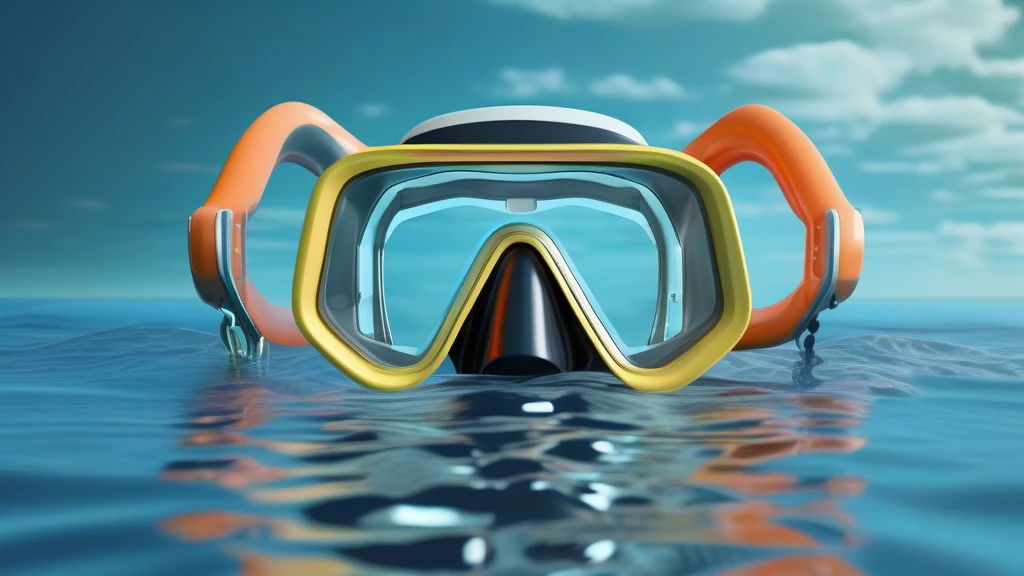
Exploring the underwater world is a captivating experience that requires the right equipment to enjoy safely and comfortably. At the heart of your underwater gear lies the diving or snorkeling mask—a piece of equipment designed to provide clear vision, protect your eyes, and ensure comfort beneath the waves. With a wide variety of masks available, choosing the right one can be overwhelming. This comprehensive guide will walk you through the essential features to consider, tips for selecting the ideal mask for your needs, common pitfalls to avoid, and how to maintain your mask for long-term use.
Understanding the Purpose and Types of Diving & Snorkeling Masks
Diving and snorkeling masks serve to create an air space in front of your eyes so you can see clearly underwater. However, masks vary widely depending on the activity, skill level, and specific underwater requirements.
Common Types of Masks
- Traditional Single-Lens or Dual-Lens Masks: These are the most common and versatile masks, offering clear visibility and comfortable fit. Single-lens masks provide a continuous view while dual-lens masks can offer a better seal and ease of prescription lens integration.
- Frameless and Flexible Framed Masks: Frameless masks are lightweight, compact, and provide a wide field of view, making them popular among freedivers and spearfishers who value streamlined equipment. Flexible frames offer durability and adaptability, suited for various face shapes.
- Low to Medium Volume Masks: Volume refers to the internal space of the mask. Low-volume masks sit closer to the face, reducing buoyancy and making equalization easier for freedivers and spearfishers. Medium volume masks are common for recreational divers prioritizing comfort and field of view.
- Full-Face Snorkel Masks: These cover the entire face and allow natural breathing through the nose and mouth. They provide panoramic visibility but are generally not suitable for scuba diving due to safety concerns.
Understanding these types helps tailor your choice to your underwater activity and personal preferences.
Key Features to Consider When Buying a Diving or Snorkeling Mask
1. Skirt and Strap Materials: Comfort and Seal
The skirt—the part of the mask that seals against your face—should be made from high-quality, hypoallergenic silicone. Silicone skirts provide a comfortable, leak-free seal and are eco-friendly alternatives to older rubber materials. Soft silicone adapts better to different face shapes and skin sensitivities.
Straps are typically made of silicone as well and often feature adjustable or quick-release buckles for easy customization and removal. A well-designed strap system ensures the mask stays secure without causing discomfort during long sessions.
2. Lens Material and Coatings: Safety and Clarity
Most diving masks use tempered glass lenses because they are strong, scratch-resistant, and safe (they break into small fragments rather than sharp shards). Look for lenses with additional coatings to enhance underwater visibility:
- Anti-fog coatings: Prevent internal fogging caused by temperature differences and moisture.
- Hydrophobic coatings: Repel water droplets, maintaining clear vision.
- Polarized lenses: Reduce glare from the water surface, improving contrast and eye comfort.
- Mirrored coatings: Reflect sunlight, useful in bright conditions.
- UV-protective coatings: Protect your eyes from harmful ultraviolet rays.
These coatings are particularly valuable for users who spend extended periods on or near the water surface or in varying light conditions.
3. Field of View and Lens Design
A wide, panoramic field of view enhances underwater awareness and enjoyment. Frameless designs and single-lens masks generally provide a broader viewing angle, which is advantageous for underwater photography and freediving. Dual-lens masks might offer slightly less peripheral vision but can be more structurally robust.
4. Volume: Impact on Buoyancy and Equalization
Lower volume masks sit closer to the face, making it easier to equalize pressure during deep dives—a key consideration for freedivers and spearfishers. Recreational divers often prefer medium volume masks for comfort and easier mask clearing.
5. Fit and Face Shape Compatibility
Masks come in various shapes and sizes to accommodate different face structures. A good fit is crucial to prevent leaks and discomfort. When trying on masks, check for:
- A snug but gentle seal along the entire skirt without gaps.
- No pressure points on the nose or forehead.
- Adjustable straps that distribute tension evenly.
Perform the “suction test” by placing the mask on your face without straps and inhaling slightly; a well-fitting mask will stay in place by suction alone.
6. Portability and Storage
Some masks offer foldable designs and come with protective storage cases, making transport and maintenance easier. This is especially useful for travelers and frequent divers.
Matching Masks to Your Activity and Skill Level
Recreational Snorkeling and Scuba Diving
Beginners generally benefit from medium volume, dual-lens masks with comfortable silicone skirts and easy strap adjustments. Anti-fog and UV protection coatings are helpful for clear vision near the surface.
Freediving and Spearfishing
Low-volume, frameless or flexible framed masks reduce buoyancy and drag, aiding in streamlined movement. Clear, wide fields of view and quick equalization are important features.
Underwater Photography
Wide-view, single-lens masks with distortion-free tempered glass lenses allow photographers to capture expansive scenes. Additional coatings to reduce glare and fogging improve image framing and clarity.
Professional and Technical Diving
Durability and safety certifications (ISO, CE, TÜV) become paramount. Masks with reinforced frames, high-quality tempered glass, and multiple layers of coatings provide reliability under demanding conditions.
Common Mistakes to Avoid When Purchasing a Mask
- Ignoring the Fit: A perfect fit is more important than aesthetics or price. Avoid masks that require excessive strap tightening to seal.
- Overlooking Lens Quality: Cheap lenses can fog quickly or scratch easily, reducing visibility and safety.
- Neglecting Activity-Specific Features: Using a high-volume recreational mask for freediving can make equalization difficult.
- Skipping Safety Certifications: Certified masks meet required safety standards, ensuring your protection underwater.
- Forgetting Maintenance Considerations: Masks that are difficult to clean or store may degrade faster.
Maintenance Tips for Longevity and Optimal Performance
- Cleaning: Rinse masks with fresh water immediately after use to remove salt, sand, and debris. Use a mild soap and soft cloth for thorough cleaning.
- Anti-Fog Treatment: Apply commercial anti-fog solutions or natural remedies such as diluted baby shampoo before each dive.
- Storage: Store masks in a protective case, away from direct sunlight and extreme temperatures to prevent silicone degradation.
- Check Straps and Buckles Regularly: Replace worn straps and ensure buckles adjust smoothly.
Environmental Considerations in Mask Selection
Many manufacturers now focus on eco-friendly materials like hypoallergenic silicone that is more sustainable and less harmful to marine environments. Choosing masks made from recyclable or biodegradable components supports ocean conservation efforts.
Full-Face Snorkel Masks vs Traditional Masks: A Brief Comparison
While full-face snorkel masks offer ease of breathing and a panoramic view for surface snorkeling, they are not designed for diving and have safety limitations such as potential CO2 buildup. Traditional masks provide better performance underwater and greater flexibility for various activities.
Conclusion
Selecting the right diving or snorkeling mask involves considering your activity type, face shape, skill level, and the specific features that enhance comfort, visibility, and safety. Prioritize a high-quality silicone skirt and strap for a secure fit, tempered glass lenses with appropriate coatings for clear vision, and a design tailored to your underwater pursuits. Avoid common mistakes like neglecting fit or safety certifications, and maintain your mask properly to ensure years of enjoyable underwater adventures.
By understanding the technical features and matching them to your needs, you can confidently choose a mask that elevates your aquatic experience—whether you’re a beginner snorkeler or a seasoned professional diver. Dive in with clarity and comfort, and explore the underwater world with the perfect lens on your adventure.