
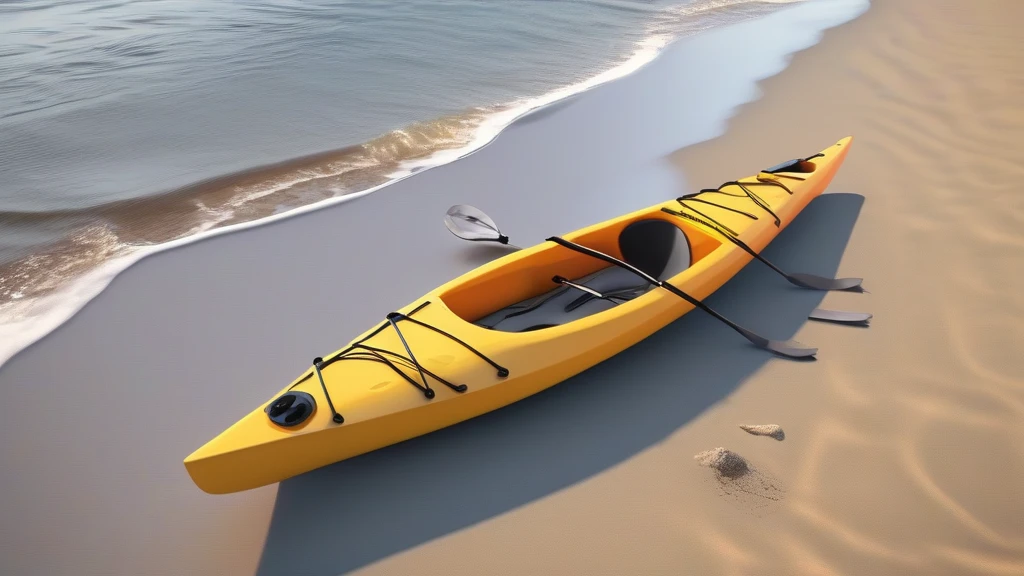
Folding kayaks have revolutionized the boating and water sports world by offering a perfect blend of portability, performance, and durability. Whether you're a weekend paddler, a traveling adventurer, or a seasoned kayaker with limited storage space, a folding kayak can be an excellent choice. This comprehensive guide will walk you through everything you need to know — from key features and materials to common mistakes and how to select the right kayak for your needs.
Why Choose a Folding Kayak?
Unlike traditional rigid kayaks, folding kayaks collapse into compact sizes that fit into backpacks, roller bags, or suitcase-style cases. Their quick assembly time—typically between 5 to 20 minutes—makes them incredibly convenient for spontaneous trips and travel. Despite their portability, modern folding kayaks do not compromise on strength or stability, thanks to advanced materials and engineering.
Key Features to Consider When Buying a Folding Kayak
1. Assembly Time and Ease
One of the biggest advantages of folding kayaks is their ease of assembly. Look for models that balance speed and simplicity with a secure fit. Many models use marine-grade aluminum or carbon fiber frames that click or snap into place, supporting a double-wall PVC or polycarbonate skin.
Tip: Practice assembling your kayak at home before your first outing. Some models include detailed guides or video tutorials to help.
2. Materials and Construction
The materials used impact durability, weight, and performance:
- Frame Materials:
- Marine-grade Aluminum: Highly corrosion-resistant and sturdy, ideal for varied conditions.
- Carbon Fiber: Lightweight and strong, preferred by performance enthusiasts but often more expensive.
- Skin Materials:
- Double-wall PVC Fabric: Offers excellent puncture resistance and durability.
- Polycarbonate or ABS Plastic Panels: Provide rigidity and impact resistance, especially in hybrid designs.
- Thermoplastic Composites: Lightweight and flexible, balancing durability and portability.
Choosing the right combination depends on your primary use—recreational kayaks often prioritize durability and stability, while performance models emphasize weight savings and speed.
3. Size, Capacity, and Stability
Folding kayaks typically accommodate one or two paddlers. Load capacities range from about 220 lbs for solo recreational models to 400 lbs or more for tandem or expedition-style kayaks.
- Stability: Beginner-friendly kayaks often have wider hulls and flat bottoms for increased stability in calm waters.
- Maneuverability: Narrower, more streamlined hulls made with carbon fiber and advanced composites suit experienced paddlers seeking speed and agility in choppy or heavy water.
4. Portability and Storage Solutions
Consider how you will transport and store your kayak. Folding kayaks come with various carrying options:
- Backpack-Style Bags: Best for lightweight kayaks and those traveling on foot or by bike.
- Roller Bags or Suitcase-Style Cases: Offer easier movement through airports or longer distances but add weight.
Look for padded cases or weather-resistant materials to protect your kayak during transport.
5. Safety Certifications
Quality folding kayaks often carry certifications such as ISO, TÜV, US Coast Guard, or CE marks. These verify that the kayak meets strict safety and quality standards, providing peace of mind when purchasing.
Common Mistakes to Avoid When Buying a Folding Kayak
Overlooking Water Conditions and Usage
Buying a kayak without considering where and how you plan to paddle can lead to frustration. For example, a lightweight, narrow kayak built for rivers might feel unstable on a calm lake or vice versa.
Ignoring Weight and Portability Needs
If you plan to carry your kayak frequently, don’t underestimate the importance of lightweight materials and ergonomic carrying cases.
Skipping Accessory Compatibility
Ensure your kayak can accommodate essential accessories like adjustable paddles, detachable seats, skegs (for improved tracking), and repair kits. These can enhance safety, comfort, and performance on the water.
How to Choose the Right Folding Kayak for Your Adventure Level and Water Conditions
Beginner & Recreational Paddlers
- Look for kayaks with wider, more stable hulls.
- Prioritize durability with double-wall PVC skins and aluminum frames.
- Models with quick, intuitive assembly reduce hassle.
- Load capacity around 220-300 lbs is usually sufficient.
Intermediate to Advanced Paddlers
- Opt for performance-oriented kayaks with carbon fiber frames and thermoplastic composite skins.
- Narrower, streamlined hulls improve speed and maneuverability.
- Consider tandem options if you want to paddle with a partner.
- Look for additional features like skegs and adjustable seats.
Adventure & Expedition Enthusiasts
- Choose rugged, heavy-duty materials that withstand rough conditions.
- Focus on kayaks with higher load capacities (350+ lbs) for gear and supplies.
- Ensure the kayak folds into compact, protected cases for travel.
- Look for extended warranties and included repair kits.
Essential Accessories to Enhance Your Folding Kayak Experience
- Adjustable Paddles: Lightweight and collapsible paddles complement the portability of folding kayaks.
- Detachable Seats: Improve comfort on long paddling sessions and allow customization.
- Safety Whistles and Life Vests: Critical for emergency preparedness.
- Skegs or Rudders: Enhance tracking and control in windy or choppy conditions.
- Repair Kits: Quick fixes for minor tears or punctures while on the water.
- Carrying Bags: Padded, weather-resistant bags protect your kayak during transport and storage.
Maintenance Tips for Longevity
- Rinse your kayak with fresh water after use, especially in saltwater environments.
- Dry thoroughly before storing to prevent mold and mildew.
- Regularly inspect frame joints and fabric for wear or damage.
- Store in a cool, dry place away from direct sunlight to preserve materials.
- Follow manufacturer guidelines for lubrication and tightening of frame components.
Final Thoughts: Making an Informed Folding Kayak Purchase
Folding kayaks offer unmatched convenience without sacrificing the essential qualities of durability, stability, and performance. By evaluating your paddling style, preferred water conditions, and portability needs, you can select a model that will serve you well for years.
Remember to prioritize:
- Material quality (frame and skin) for your usage environment
- Load capacity and hull design matching your skill and comfort level
- Safety certifications to ensure reliability
- Ease of assembly and compact storage options
- Availability of useful accessories and maintenance support
With the right folding kayak, you’ll enjoy the freedom to explore waterways around the world, knowing your watercraft is as adaptable and adventurous as you are.
Happy paddling and safe adventures!