
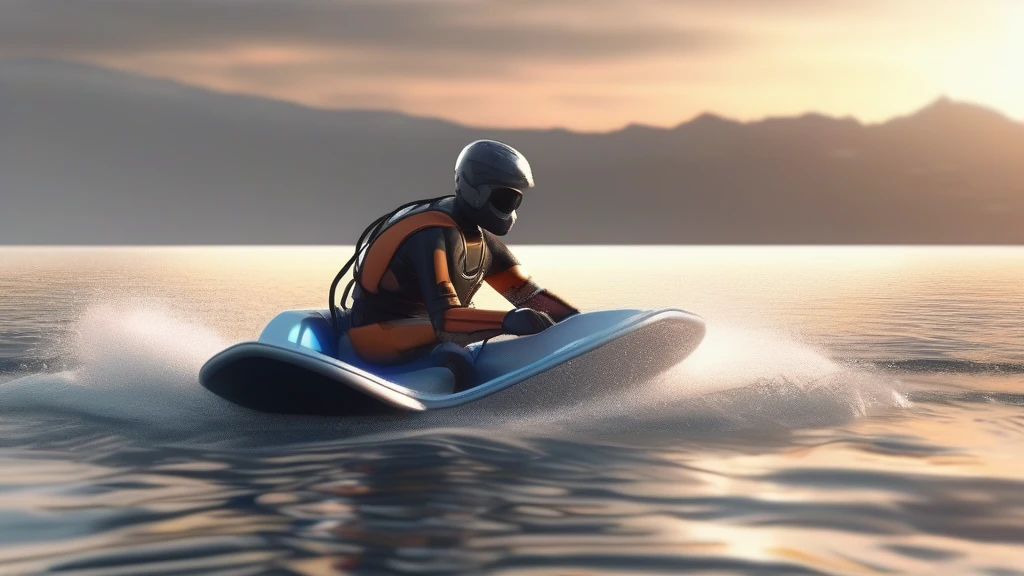
Kneeboarding is a thrilling water sport that combines balance, speed, and skill, making it an accessible yet exciting aquatic activity for all ages and skill levels. Whether you're a beginner looking for family fun or a seasoned athlete seeking competitive freestyle performance, choosing the right kneeboard is crucial to maximize enjoyment and safety on the water. This comprehensive guide breaks down everything you need to know—from key features and materials to common mistakes and maintenance tips—empowering you to make an informed decision tailored to your needs.
Understanding Kneeboard Types and Their Uses
Kneeboards come in various designs, each tailored to specific skill levels, riding styles, and water conditions. Recognizing these distinctions will help you select a board that matches your intended use.
Beginner and Family Kneeboards
For novices and family-oriented riders, kneeboards prioritize stability, comfort, and ease of use. Typical features include:
- Flat or Low Rocker Profiles: These provide a smoother ride with increased stability, making it easier for beginners to maintain balance and control.
- No-Fin or Single-Fin Designs: Many beginner boards omit fins or use a single fixed fin to reduce complexity and enhance straight-line tracking.
- Soft EVA or High-Density Foam Pads: Cushioned, non-slip kneepads improve comfort during extended use and reduce the risk of injury.
- Ergonomic Adjustable Straps: Secure yet comfortable straps keep your knees in place without restricting movement.
- Durable Construction: Boards often use fiberglass or composite materials that balance lightweight handling with resilience.
- Accessories: Family-friendly boards may come with carry bags, repair kits, and kneepads for added convenience and safety.
These boards are ideal for calm lakes or gentle rivers, where riders can build confidence and practice basic techniques.
Advanced and Competitive Kneeboards
Experienced riders and athletes demand kneeboards that offer enhanced maneuverability, speed, and customization to perform tricks and compete at high levels. Features commonly found include:
- High or Continuous Rocker Profiles: These designs improve agility and responsiveness, allowing quick turns and sharper carving.
- Adjustable or Detachable Dual/Hybrid Fins: Multiple fin configurations offer precise control and can be tailored for different water conditions or riding styles.
- Premium Carbon Fiber Construction: Advanced models utilize carbon fiber for superior strength-to-weight ratios, boosting performance without sacrificing durability.
- Certified Safety and Quality: Many competitive boards meet TÜV, marine safety, and ISO standards, ensuring reliability under demanding conditions.
- Lightweight Design: Minimizing weight enhances aerial maneuvers and freestyle tricks.
- Specialized Pads and Straps: High-grade EVA padding and customizable straps provide secure fit and maximum comfort during intense sessions.
These boards are suited for riders who frequent competitive circuits, freestyle parks, or rougher water bodies requiring superior handling.
Key Features to Consider When Buying a Kneeboard
Knowing which features affect performance and comfort will help you find a board that aligns with your preferences and skill level.
Material and Construction
- Fiberglass and Composite: Common in beginner and mid-range boards, these materials offer a balance of durability and affordability. They are lightweight yet sturdy enough for recreational use.
- Polyurethane: Often used in the board’s core or padding, it provides shock absorption and resilience.
- Carbon Fiber: Found in high-end boards designed for competitive use, carbon fiber is ultra-lightweight and strong, enhancing maneuverability.
- Eco-Friendly Manufacturing: Many manufacturers now incorporate recyclable components and low carbon processes, appealing to environmentally conscious buyers.
Rocker Profile
- Flat or Low Rocker: Ideal for beginners, this profile offers stability and easier planing on flat water.
- Continuous or High Rocker: Favored by advanced riders, it enhances turning capabilities and responsiveness, especially in choppy conditions.
Fin Configuration
- No-Fin Designs: Increase stability and are beginner-friendly by reducing drag and making the board easier to control.
- Single Fixed Fin: Provides straightforward tracking, often found on family boards.
- Adjustable or Detachable Dual/Hybrid Fins: Allow advanced users to customize handling for precision in tricks and racing.
Padding and Straps
- EVA Foam Pads: Soft or high-density EVA pads provide cushioning and non-slip surfaces, crucial for rider comfort and safety.
- Ergonomic Adjustable Straps: Ensure a snug fit without restricting movement, which helps maintain control during maneuvers.
Additional Features
- UV Resistance and Waterproof Coatings: Protect the board from sun damage and water wear, extending lifespan.
- Weatherproof Finishes: Guard against saltwater corrosion and rough handling.
- Included Accessories: Carry bags, kneepads, and repair kits add value and convenience.
Common Mistakes to Avoid When Purchasing a Kneeboard
Avoid these pitfalls to ensure your investment is worthwhile and enhances your kneeboarding experience.
- Ignoring Skill Level Requirements: Buying an advanced board when you’re a beginner can lead to frustration and safety risks due to reduced stability and more complex controls.
- Overlooking Fin Setup: Fin configurations greatly affect control; beginners should avoid boards with complex fin setups that demand more precise handling.
- Neglecting Board Size and Weight: Larger, heavier boards offer stability but reduce maneuverability, while smaller boards are agile but less forgiving for novices.
- Disregarding Comfort Features: Poor padding or ill-fitting straps can cause discomfort or injury during use.
- Skipping Safety Certifications: Lack of safety standards certification may indicate subpar manufacturing quality or durability.
- Not Considering Maintenance and Storage: Failure to maintain finishes and store boards properly can shorten their lifespan.
How to Choose the Right Kneeboard for You
Selecting the perfect kneeboard involves balancing your experience, intended use, and environmental preferences.
Step 1: Assess Your Skill Level and Riding Style
- Beginner: Choose a flat rocker, no-fin or single-fin board with ample padding and easy-to-adjust straps.
- Intermediate: Consider boards with moderate rocker and optional fin configurations for enhanced control.
- Advanced/Competitive: Opt for high rocker profiles, dual or hybrid fin setups, and lightweight carbon fiber construction.
Step 2: Define Your Primary Use
- Recreational and Family Use: Prioritize comfort, stability, and durability. Look for boards with user-friendly features and included accessories.
- Freestyle and Tricks: Seek out boards with responsive rocker profiles, adjustable fins, and lightweight materials.
- Competitive Racing: Focus on speed-oriented designs, certified safety standards, and premium construction materials.
Step 3: Factor in Environmental and Sustainability Concerns
If eco-friendliness is important, look for boards using recyclable materials, low carbon manufacturing techniques, and UV-resistant coatings that prolong board life, reducing waste.
Step 4: Review Warranty and Safety Ratings
Boards with comprehensive warranties and certifications (such as TÜV or ISO) offer assurance of quality and manufacturer support.
Step 5: Consider Accessories and Maintenance Requirements
Boards that come with carry bags, repair kits, and kneepads simplify transport and upkeep, enhancing your overall experience.
Maintenance, Transport, and Storage Tips
Proper care extends your kneeboard’s performance and longevity.
- Rinse After Use: Always wash off saltwater or debris with fresh water to prevent corrosion and material degradation.
- Store in a Cool, Dry Place: Avoid prolonged sun exposure and moisture which can weaken materials and fade finishes.
- Use Carry Bags: Protect the board during transport and storage from scratches and impacts.
- Inspect Fins and Straps Regularly: Replace worn parts promptly to maintain safety and control.
- Apply UV Protectants: Use recommended sprays or coatings to preserve the board’s surface.
Basic to Advanced Kneeboarding Techniques Overview
Understanding the basics of kneeboarding can help you select the right board and improve your skills.
- Starting and Positioning: Kneel comfortably with knees on the padded area and feet tucked under straps.
- Getting Up and Balancing: Use the tow rope to pull yourself into position, maintaining balance by leaning slightly forward.
- Turning and Carving: Beginners should start with wide, gentle turns; advanced riders can use fin adjustments and rocker properties to execute sharper, more agile maneuvers.
- Jumping and Tricks: Requires boards with responsive rocker profiles and secure strap systems to handle aerial moves safely.
Choosing the right kneeboard is a blend of understanding your personal needs, the board's technical features, and environmental factors. By considering skill level, design characteristics like rocker profile and fin setup, construction materials, and safety ratings, you can find a board that perfectly suits your water adventures. With proper maintenance and technique, your kneeboard will provide endless fun, excitement, and performance on every ride.