
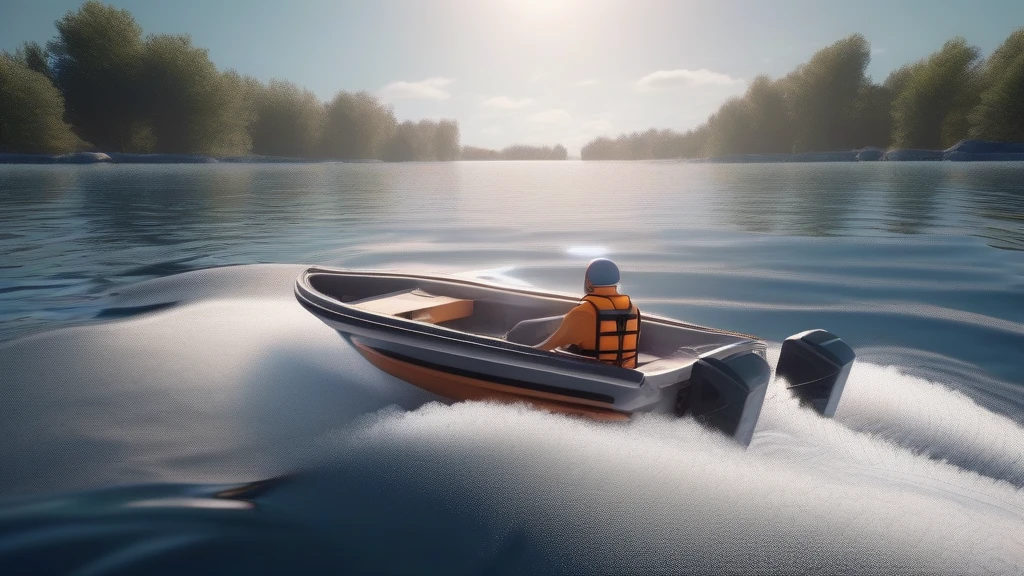
When it comes to boating and water sports, safety is paramount. Whether you’re kayaking on a serene lake, sailing offshore, or enjoying a family day on the water, a reliable life jacket is your best defense against drowning and water-related accidents. But with so many types, materials, and features available, how do you choose the right life jacket for your needs?
This comprehensive guide will walk you through everything you need to know about life jackets—from understanding the different US Coast Guard types, to selecting activity-specific features, exploring material innovations, and avoiding common mistakes. By the end, you’ll be equipped to make an informed decision that maximizes your safety and comfort on the water.
Understanding Life Jacket Types: Matching Safety to Activity
The US Coast Guard classifies life jackets into five main types based on buoyancy and intended use. Knowing these types is the first step in selecting the right life jacket for your water activity.
Type I — Offshore Life Jackets (Maximum Buoyancy)
Type I life jackets provide the highest buoyancy, typically 22 pounds or more, designed to turn an unconscious wearer face-up in open, rough, or remote waters. These are ideal for offshore boating, commercial mariners, and emergency rescue personnel. They are bulkier and often constructed with durable, UV-resistant materials like marine-grade vinyl and ripstop nylon to withstand harsh marine environments.
Type II — Near-Shore Buoyancy Aids (Moderate Buoyancy)
Type II jackets offer moderate buoyancy (about 15.5 pounds) and are intended for calm, inland waters or near-shore activities. They provide some head support to help keep the wearer face-up but are not guaranteed to turn unconscious wearers. These jackets are suitable for recreational boating, fishing, and family water activities close to shore.
Type III — Recreational Life Jackets (Standard Buoyancy)
Popular among kayakers, paddleboarders, and sailors, Type III life jackets offer standard buoyancy (15.5 pounds) and prioritize comfort and freedom of movement. Crafted from polyester or nylon shells with closed-cell foam cores, they often feature ergonomic designs, adjustable straps, and quick-release buckles for an optimal fit during active water sports.
Type IV — Throwable Devices
Unlike wearable jackets, Type IV devices are throwable cushions or ring buoys intended for emergency use. They do not provide continuous buoyancy but serve as vital rescue aids to assist someone in distress. These are essential additions to boats but not substitutes for personal flotation devices.
Type V — Special Use Devices
Type V life jackets are designed for specialized activities like windsurfing, kayaking, or commercial use. They often incorporate inflatable bladder technology for compactness and enhanced buoyancy, sometimes combined with foam cores. They may also feature additional safety elements like emergency light mounts, whistles, and rescue handles tailored to their intended use.
Material Innovations and Sustainability in Life Jackets
Modern life jackets combine performance with environmental responsibility. Understanding materials helps you select durable, comfortable, and eco-conscious options.
Durable, UV-Resistant Fabrics
Most life jackets use materials such as ripstop nylon, marine-grade vinyl, or polyester. These fabrics resist fading and degradation from sun exposure and saltwater, ensuring longevity. Ripstop nylon is especially valued for its tear-resistant weave, while marine-grade vinyl offers robust waterproofing.
Flotation Core Technologies
Closed-cell foam remains the standard flotation material due to its buoyancy and water resistance. Hybrid designs blend foam with inflatable bladders, offering compactness and adjustable buoyancy. Inflatable life jackets typically use durable TPU or urethane-coated bladders that inflate manually or automatically.
Eco-Conscious Manufacturing
A growing number of manufacturers incorporate biodegradable coatings, recyclable foams, and low carbon footprint processes. This shift benefits marine ecosystems and appeals to environmentally aware consumers seeking sustainable boating gear.
Activity-Specific Life Jacket Features
Choosing a life jacket that matches your water sport ensures optimal safety and comfort.
Kayaking and Paddleboarding
Look for slim, ergonomic designs that allow unrestricted paddling motion. Features like adjustable side straps, breathable mesh panels, and quick-dry fabrics enhance comfort. Reflective tape and rescue handles improve visibility and emergency retrieval.
Fishing and Sailing
Durability takes precedence here, with reinforced buckles and abrasion-resistant materials. Pockets for gear, whistles, and emergency light mounts support extended outings. High-visibility colors such as orange or yellow improve safety in busy waterways.
Commercial Maritime and Rescue Operations
Life jackets for professionals require maximum buoyancy, rugged construction, and specialized features like integrated harnesses, emergency strobe light mounts, and anti-slip surfaces. Compliance with stringent certifications (US Coast Guard, ISO, CE, TÜV) is critical.
Family and Recreational Use
Comfort, moderate buoyancy, and easy adjustability are key. Soft, padded interiors and lightweight foam cores make life jackets pleasant for prolonged wear by children and adults alike. High-visibility colors and glow-in-the-dark strips aid quick location in emergencies.
Essential Safety Features to Look For
Selecting a life jacket with the right safety features can make a critical difference.
- Adjustable & Reinforced Buckles: Ensure a snug, secure fit that won’t loosen during activity or in rough water.
- Quick-Release Mechanisms: Allow fast removal when needed, especially important for children or in emergencies.
- High-Visibility Colors: Bright orange, yellow, red, or blue enhance visibility to rescuers.
- Reflective Tape & Glow-in-the-Dark Strips: Improve detection in low-light or night conditions.
- Whistles & Rescue Handles: Provide audible signals and easy grabbing points.
- Emergency Light Mounts: Enable attachment of strobe lights or beacons for increased rescue readiness.
- Anti-Slip Designs: Help keep jackets securely in place on wet decks or boats.
Proper Fit and Maintenance Tips
A life jacket’s effectiveness depends heavily on fit and upkeep.
Ensuring a Secure Fit
- Measure chest size accurately and consult manufacturer sizing charts.
- Adjust all straps so the jacket fits snugly without restricting movement or breathing.
- For children, select jackets specifically designed for youth with appropriate buoyancy.
- Perform a “fit test” by pulling up on the jacket’s shoulders—if it slips over the chin or face, it is too large.
Maintenance & Inspection
- Rinse jackets with fresh water after exposure to salt or chlorine.
- Air dry out of direct sunlight to prevent UV damage.
- Inspect for tears, broken buckles, worn straps, or leaks in inflatable bladders before each use.
- Store life jackets in cool, dry places away from chemicals and extreme temperatures.
- Follow manufacturer guidelines for periodic replacement or servicing of inflatable models.
Demystifying Regulatory Certifications and Standards
Certifications ensure life jackets meet rigorous safety criteria.
- US Coast Guard (USCG) Approval: Mandatory for most boating activities in the United States, ensuring compliance with buoyancy, design, and performance standards.
- ISO and CE Certifications: Indicate adherence to international safety and quality standards, common in Europe and other regions.
- TÜV Certification: A respected third-party testing body providing additional validation of safety and reliability.
Purchasing life jackets with these certifications guarantees tested performance and legal compliance.
Innovations in Inflatable Life Jackets
Inflatable life jackets have gained popularity for their sleek profiles and high buoyancy.
Advantages
- Lightweight and compact, enhancing comfort and freedom of movement.
- Automatically or manually inflated, providing adjustable buoyancy.
- Ideal for experienced swimmers and specific activities like sailing or paddleboarding.
Safety Considerations
- Require regular inspection and maintenance to ensure inflation mechanisms function properly.
- Not recommended for non-swimmers or children unless combined with foam panels.
- May be less effective in cold water or hazardous conditions where inflation could be delayed.
Emergency Preparedness: Beyond Wearable Jackets
In addition to personal flotation devices, throwable cushions and ring buoys (Type IV devices) are critical for comprehensive safety.
- Keep throwable devices within easy reach on boats or docks.
- Practice emergency drills to familiarize all passengers with their use.
- Combine with personal life jackets for maximum protection and rescue readiness.
Conclusion
Choosing the right life jacket involves understanding the types, materials, features, and certifications tailored to your specific water activities. Prioritizing safety features like buoyancy, visibility, secure fit, and proper maintenance will ensure your life jacket performs when you need it most.
By investing in a well-designed, durable, and certified life jacket—whether a high-buoyancy offshore model, an ergonomic recreational vest, or an innovative inflatable—you’re making a smart, life-saving decision for yourself and your loved ones on the water. Stay safe, stay informed, and enjoy your aquatic adventures with confidence.