
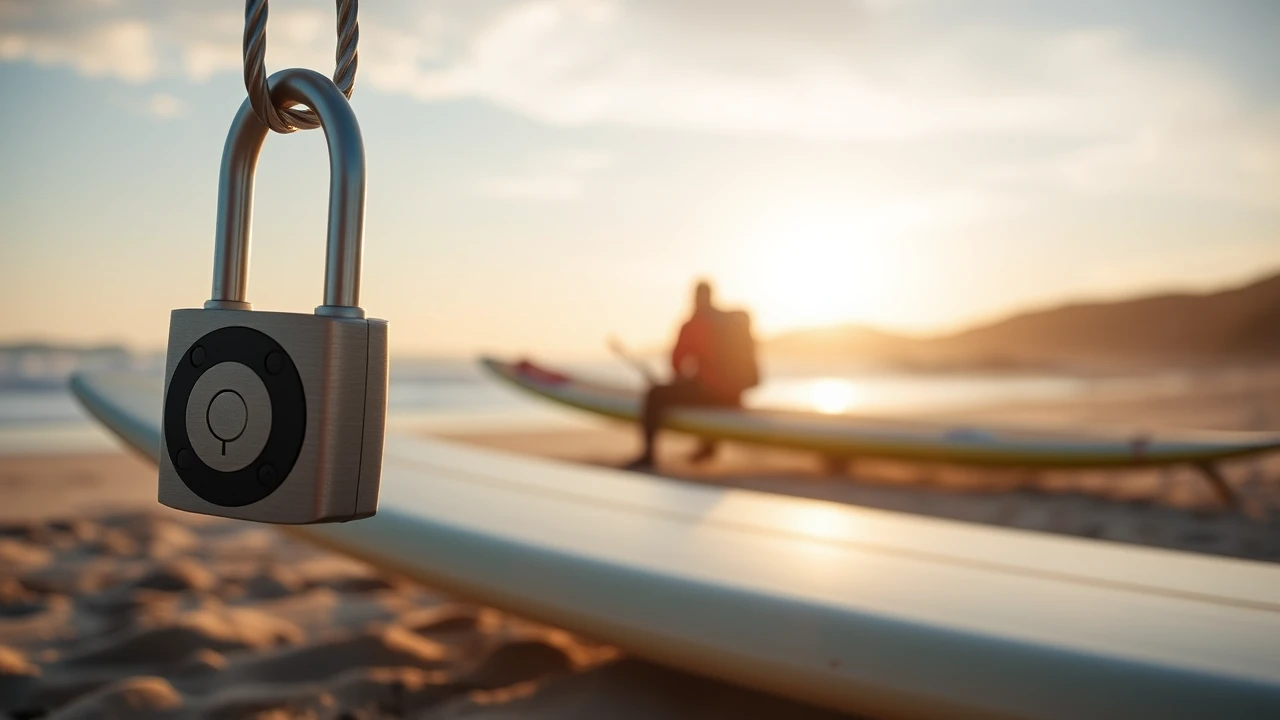
Securing your surf gear and outdoor equipment against theft and environmental damage requires more than just any lock—it demands a specialized solution designed for the harsh realities of coastal and outdoor environments. Whether you’re a casual beachgoer or a serious water sports enthusiast, choosing the right lock can protect your valuable surfboard, wetsuit, or gear locker from opportunistic thieves and the elements alike. This comprehensive buying guide will walk you through the essential features to consider, common pitfalls to avoid, and practical tips to help you select the ideal lock for your needs.
Understanding the Purpose: Why Choose Specialized Locks for Surf and Outdoor Gear?
Standard locks often fall short when exposed to saltwater, sand, and intense weather fluctuations typical of marine and outdoor environments. Locks designed specifically for surf gear and outdoor equipment incorporate materials and engineering that resist corrosion, weather damage, and rough handling. These locks provide:
- Robust theft deterrence through heavy-duty construction.
- Long-lasting performance despite exposure to salt spray and moisture.
- User-friendly operation balancing security with convenience.
- Portability and versatility for use on surfboards, beach lockers, bikes, and more.
Recognizing these needs will help you zero in on locks that truly meet the demands of your active lifestyle.
Key Features to Consider When Buying Locks & Keys for Surf Gear
1. Corrosion Resistance: The Cornerstone of Marine Durability
Saltwater and coastal air are notoriously harsh on metal. Locks made with corrosion-resistant materials such as stainless steel, marine-grade brass, or specially coated alloys are crucial. Look for:
- Marine-grade stainless steel shackles that resist rust and maintain strength.
- Protective coatings like zinc plating or powder coating that shield the lock body.
- Sealed locking mechanisms to prevent salt and sand ingress that can jam internal parts.
For example, a lock with a fully sealed combination dial or keyhole prevents grit buildup, ensuring smooth operation over time.
2. Heavy-Duty Construction and Impact Resistance
The lock must withstand attempts at forced entry and rough handling on the beach. Features to prioritize:
- Hardened steel shackles that resist cutting and sawing.
- Solid lock bodies often made from thick metal castings or heavy-duty alloys.
- Reinforced shackle designs like double-bolted shackles for enhanced security.
These elements collectively boost resistance to physical attacks, deterring thieves targeting unattended gear.
3. Locking Mechanism: Keyed vs. Combination
Choosing between a keyed or combination lock depends on your preferences for convenience, security, and ease of use.
- Keyed Locks
- Pros: Generally offer high security with fewer accidental openings.
- Cons: You must keep track of the key, which can be lost or damaged.
-
Ideal for: Users who prefer straightforward locking without memorizing codes.
-
Combination Locks
- Pros: No keys to lose; resettable combinations allow changing codes as needed.
- Cons: May be vulnerable to code guessing if not properly set; dials can wear over time.
- Ideal for: Those who want quick access and the ability to share codes with trusted friends.
Many locks feature user-friendly combination resets, making it easy to change your code periodically for added security.
4. Weatherproof and Sand-Resistant Design
Locks used on beaches should be designed to repel sand and withstand moisture intrusion. Look for:
- Rubber or plastic covers over keyholes or dials.
- Drainage holes that prevent water accumulation inside the lock.
- Compact designs with minimal crevices where sand can lodge.
These features reduce maintenance needs and keep locks functioning smoothly.
5. Portability and Size
A bulky lock can be cumbersome when transporting gear. Consider:
- Lightweight materials that do not sacrifice strength.
- Compact dimensions that fit easily in beach bags or attach discreetly to boards.
- Flexible shackle sizes to fit various locking points—like locker hasps, board leash holes, or bike frames.
Common Mistakes to Avoid When Purchasing Locks for Surf and Outdoor Use
Overlooking Environmental Suitability
Using a standard padlock not rated for marine environments often results in rapid rusting and failure. Always verify corrosion resistance specs rather than assuming all locks are equal.
Ignoring Lock Size or Shackle Diameter
A lock that won’t fit your gear’s attachment points is useless. Measure the locking points on your surf rack, locker, or bike frame before buying.
Neglecting Ease of Operation
A lock difficult to operate with wet or sandy hands can be frustrating. Consider locks with oversized dials, ergonomic key grips, or smooth-turning mechanisms designed for outdoor use.
Forgetting to Register or Safeguard Keys and Codes
Losing keys or forgetting combination codes is a common problem. Keep spares safely stored and consider locks offering resettable codes to mitigate lockouts.
How to Choose the Right Lock for Your Specific Needs
For Surfboards and Wetsuits
- Choose a marine-grade corrosion-resistant lock with a flexible shackle to thread through leash holes or gear bags.
- Combination locks with resettable codes provide quick access during surf sessions.
- Ensure the lock body is weatherproof to withstand salt spray and sand.
For Beach Lockers and Storage Units
- Opt for heavy-duty keyed padlocks with hardened steel shackles for maximum security.
- Weatherproof design is critical to prevent lock jamming due to sand or moisture.
- Larger lock bodies can deter tampering or cutting attempts on stationary lockers.
For Bikes and Outdoor Equipment
- Select locks with thicker shackles and reinforced bodies to prevent bolt cutter attacks.
- Combination locks can offer convenience when sharing access with family or friends.
- Lightweight marine locks are ideal for portability during long outdoor trips.
Practical Tips for Securing Your Surf Gear Effectively
- Always lock your gear to a fixed, immovable object, such as a bike rack or dedicated surf rack.
- Use multiple locks or locking points to increase deterrence.
- Regularly clean and lubricate the lock mechanism with a silicone-based lubricant to maintain smooth operation.
- Avoid leaving locks in direct sunlight for extended periods to prevent material degradation.
- Consider covering your gear with a tarp or bag to reduce visibility and attract less attention.
Maintenance and Longevity: Caring for Your Marine Locks
To maximize the lifespan of your lock:
- Rinse with fresh water after exposure to saltwater or sand.
- Dry thoroughly before storage.
- Periodically check for signs of corrosion or wear.
- Replace locks showing excessive rust or compromised structural integrity.
Final Thoughts
Investing in a high-quality, corrosion-resistant lock designed specifically for surf and outdoor gear is essential for securing your valuable equipment in challenging environments. By focusing on features like marine-grade materials, heavy-duty construction, and user-friendly mechanisms, you can find a lock that offers both peace of mind and lasting durability. Avoid common mistakes by matching lock size and type to your specific gear and usage patterns, and follow maintenance best practices to keep your locks reliable season after season.
With the right knowledge and careful selection, you can confidently protect your surfboards, wetsuits, lockers, and outdoor valuables—no matter how rugged the conditions.