
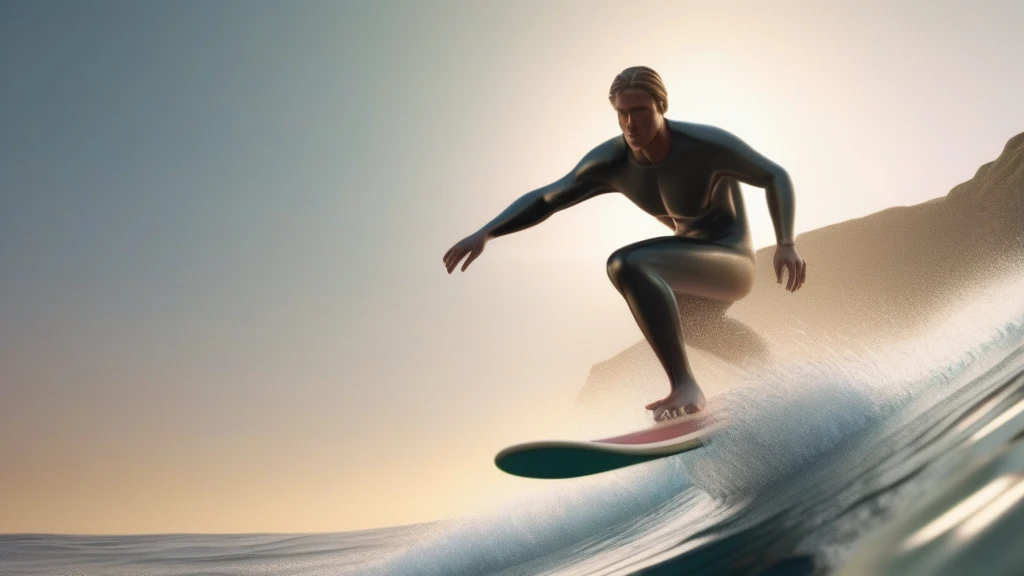
Longboard surfboards hold a special place in the world of surfing. Renowned for their smooth, stable rides and classic style, these boards offer versatility that appeals to beginners and seasoned surfers alike. Whether you’re cruising gentle waves, performing freestyle tricks, or mastering the art of noseriding, choosing the right longboard is crucial for an enjoyable experience on the water. This comprehensive guide will walk you through the essential features, common pitfalls, and expert tips to help you select the perfect longboard surfboard tailored to your skill level and surfing goals.
Understanding Longboard Surfboards: What Makes Them Unique?
Longboards typically range from 8'0" to 10'0" in length, providing ample surface area for balance and stability. Their design emphasizes smooth wave catching and cruising, making them ideal for surfers who appreciate a classic, graceful style. Unlike shortboards, longboards offer a forgiving ride with room to experiment with different maneuvers, including the iconic noseride.
Key Characteristics of Longboards
- Length and Width: Longer boards (closer to 10 feet) offer more stability, perfect for beginners and cruisers, while slightly shorter longboards (around 8 feet) cater to more agile, freestyle-oriented surfers.
- Tail Shapes: The shape of the tail influences control, speed, and maneuverability. Common types include:
- Round Tail: Smooth turns and fluid style, great for noseriding.
- Squash Tail: Versatile, offering a balance of control and speed.
- Pin Tail: Enhanced hold in bigger waves, suited for more advanced surfers.
- Swallow Tail: Provides quick responsiveness and sharper turns.
- Square Tail: Offers maximum stability, often preferred by beginners.
- Rocker Profiles: This refers to the curve along the board’s length from nose to tail.
- Flat Rocker: Ideal for cruising and speed on smaller waves.
- Moderate Rocker: Balanced performance for a variety of wave conditions.
- High Rocker: Enhanced maneuverability and control in steep waves.
- Continuous Rocker: Smooth flow, favored by classic longboarders for noseriding.
Materials and Construction: Balancing Durability, Weight, and Sustainability
Modern longboards are crafted from a variety of materials that impact durability, weight, and environmental footprint.
- Polyurethane Foam Cores with Fiberglass: This traditional combination offers a good balance of strength and flexibility. Fiberglass layers add durability and provide a smooth finish.
- Epoxy Resin Boards: These are lighter and more impact-resistant than traditional fiberglass boards, making them easier to carry and less prone to dings.
- Carbon Fiber Reinforcements: Increasingly popular, carbon fiber adds stiffness and strength without significantly increasing weight, enhancing performance for freestyle and advanced surfers.
- Eco-Friendly Materials: Many manufacturers now prioritize sustainability, using recyclable components, bio-based resins, and low carbon footprint production methods. Some boards feature sustainably sourced foam cores and UV-resistant coatings that extend board life while reducing environmental impact.
Fin Systems: The Key to Control and Performance
The fin setup on a longboard significantly influences how the board handles in the water.
- Single Fin: Classic and simple, providing stability and smooth tracking. Ideal for cruising and noseriding.
- 2+1 Setup: Combines a large center fin with two smaller side fins, offering a blend of stability and maneuverability. Versatile for various wave conditions.
- Thruster (Three Fins): Offers enhanced control and sharper turns, favored by freestyle surfers.
- Quad Fin: Provides speed and looseness, great for high-performance maneuvers on larger waves.
Adjustable or foldable fins add convenience for transport and storage, reducing the risk of damage and improving portability.
Safety and Certifications: What to Look For
Safety is paramount, especially for beginners and those surfing in crowded or challenging conditions. Look for longboards that feature:
- ISO, CE, and TÜV Certifications: These mark compliance with international safety and quality standards.
- UV-Resistant Coatings: Protect the board from sun damage, preserving structural integrity.
- Impact Resistance: Durable materials and reinforced edges help prevent dings and cracks.
- Smooth Edges and Anti-Slip Decks: Enhance grip and reduce injury risk, particularly important for novice riders.
Portability and Accessories: Making Surfing More Convenient
Longboards can be bulky, so portability is a key consideration.
- Weight: Epoxy and carbon fiber boards tend to be lighter, easing transport.
- Carry Bags: Many longboards come with padded bags that protect the board during travel and storage.
- Leashes: Essential for safety, keeping the board tethered to the surfer.
- Wax Kits and Repair Kits: Handy for maintaining grip and quick fixes on the go.
Foldable fins and streamlined shapes also contribute to easier handling and transport, especially for surfers who travel frequently.
Choosing the Right Longboard for Your Skill Level and Style
For Beginners
- Opt for longer boards (9'0" to 10'0") with wider, stable designs.
- Look for soft top decks or anti-slip surfaces to prevent falls.
- Choose square or squash tails for added stability.
- A single fin or 2+1 fin setup is ideal for balance and control.
- Prioritize boards with durable, impact-resistant materials.
For Recreational Riders
- Select boards with a moderate rocker to handle a variety of wave conditions.
- Consider eco-friendly materials if sustainability matters to you.
- Choose versatile tail shapes like squash or round tails for cruising and casual freestyle.
- Look for adjustable fins for flexibility.
For Freestyle Surfers
- Shorter longboards (around 8'0") with high rocker profiles enable sharper turns and tricks.
- Lightweight epoxy or carbon fiber constructions provide agility.
- Thruster or quad fin setups offer increased responsiveness.
- Consider boards with foldable fins for portability.
For Advanced Noseriders and Classic Longboarders
- Longer boards (9'6" to 10'0") with flat or continuous rocker profiles help maintain speed and balance on the nose.
- Round or pin tails enhance smooth turns and hold.
- Traditional single fin setups support classic longboarding style.
- Durable fiberglass construction with UV protection ensures performance longevity.
Common Mistakes to Avoid When Buying a Longboard
- Ignoring Your Skill Level: Selecting a board too advanced or too small can hamper learning and enjoyment.
- Overlooking Material Quality: Cheaper materials may reduce durability and performance.
- Neglecting Fin Setup Compatibility: Ensure fin boxes and fins are compatible and suitable for your style.
- Forgetting Portability Needs: Consider how you’ll transport and store your board.
- Disregarding Safety Features: Don’t compromise on certifications and protective coatings.
Final Thoughts: Making an Informed Longboard Surfboard Purchase
Choosing the right longboard surfboard involves balancing multiple factors — from size and shape to materials and fins — to suit your unique surfing style and skill level. Whether you’re starting out and seeking stability, cruising for fun with eco-conscious gear, or pushing the limits with freestyle maneuvers, understanding these key features will empower you to make a confident, informed decision. Remember to factor in safety certifications, durability, and portability for a board that performs well and stands the test of time.
By investing time in research and considering your personal surfing goals, you’ll be ready to enjoy the timeless joy and thrill of longboard surfing for years to come.