
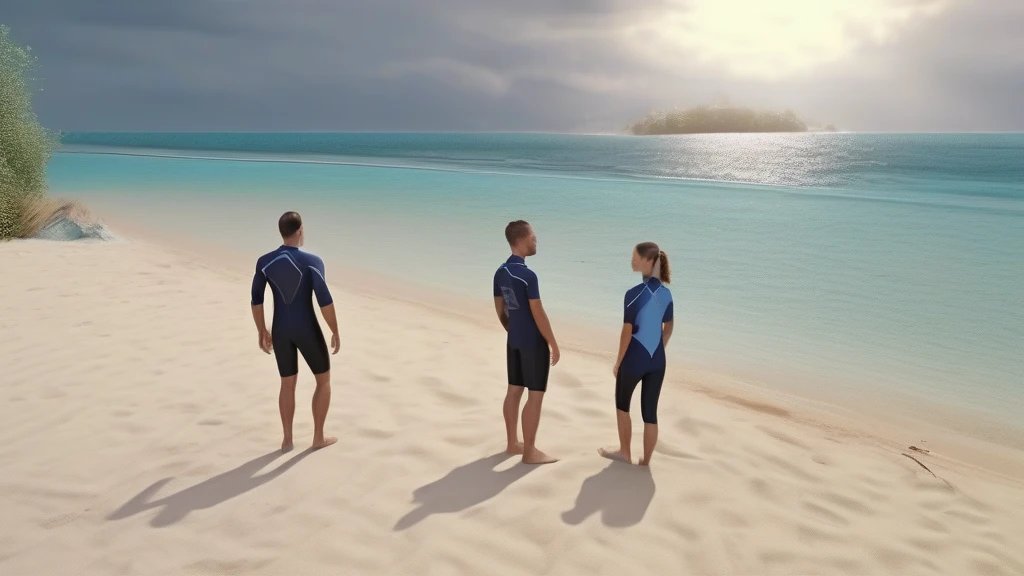
Whether you're planning a day on the beach, hitting the waves on your surfboard, or engaging in high-intensity water sports, choosing the right rash guard or swim shirt can make a significant difference in comfort, protection, and performance. This comprehensive buying guide will walk you through the essential features, material options, sizing tips, and usage considerations to help you select the ideal rash guard tailored to your activity, climate, and lifestyle.
Understanding Rash Guards & Swim Shirts: What Are They?
Rash guards and swim shirts are specialized apparel designed for water-based activities and outdoor sports. They serve multiple purposes: protecting your skin from harsh sun exposure, preventing irritation from abrasions, providing thermal insulation in cooler waters, and offering a flexible, comfortable fit that supports unrestricted movement.
Typically, these garments come in long-sleeve and short-sleeve designs and are crafted from high-performance materials such as neoprene, Lycra, spandex, and elastane. Their quick-drying, stretchable fabric ensures durability and comfort, making them suitable for everyone—from casual beachgoers and families with young children to professional athletes.
Key Features to Consider When Buying Rash Guards & Swim Shirts
1. Material Composition: Neoprene vs. Lycra vs. Spandex
Choosing the right material is crucial because it directly impacts comfort, protection, and suitability for your specific activity.
-
Neoprene: This synthetic rubber material is the go-to for thermal insulation. Neoprene rash guards are thicker and provide warmth in colder water conditions, making them ideal for surfing in chilly environments or extended time in the ocean. They also offer excellent abrasion resistance but tend to be less breathable than other materials.
-
Lycra: Known for its lightweight and breathable qualities, Lycra-based rash guards excel in warmer climates. They offer a snug, second-skin fit with excellent stretch and flexibility, allowing for fluid movement during swimming, paddleboarding, or beach activities. Lycra also dries rapidly, enhancing comfort.
-
Spandex (and Elastane blends): Often combined with Lycra or nylon, spandex adds exceptional elasticity to rash guards. This blend is perfect for high-impact sports requiring unrestricted mobility, such as grappling or combat sports practiced in aquatic environments. These fabrics balance comfort and durability with quick-drying properties.
2. Sleeve Length and Coverage
-
Long Sleeve Rash Guards: Provide maximum sun protection, covering your arms fully to reduce UV exposure and guard against abrasions from surfboards, kayaks, or rocky shorelines. Long sleeves are especially beneficial for surfers, paddleboarders, and anyone spending prolonged periods in the sun.
-
Short Sleeve Rash Guards: Offer greater breathability and ventilation, making them suitable for warmer days or casual swimmers who want some protection without complete arm coverage. They still provide essential sun protection on the torso and prevent chafing.
3. UV Protection Factor (UPF)
Many rash guards are designed with built-in UPF 50+ sun protection, blocking up to 98% of harmful UVA and UVB rays. This feature is vital for preventing sunburns and long-term skin damage, especially during extended outdoor exposure. When shopping, look for garments explicitly labeled with their UPF rating to ensure adequate protection.
4. Fit and Sizing
A rash guard should fit like a second skin—not too tight to restrict movement or cause discomfort, but snug enough to prevent fabric bunching or water flushing inside the garment. Consider the following:
- Stretchability: Materials like spandex and Lycra provide excellent stretch, accommodating a range of body shapes.
- Size Range: Most manufacturers offer sizes from youth XS to adult XXL, so ensure you check size charts carefully.
- Activity-Specific Fit: For high-intensity sports such as grappling, a compression fit may be preferred to support muscles and reduce friction. For recreational use, a relaxed fit might offer more comfort.
5. Durability and Abrasion Resistance
Durability is essential for athletes and frequent users. Neoprene and heavy-duty Lycra blends provide superior abrasion resistance to protect against rough surfaces, such as surfboard wax, paddle edges, and rocky beaches. Double-stitched seams and reinforced panels often indicate higher-quality construction.
6. Thermal Insulation
If you intend to use your rash guard in cooler water temperatures, neoprene variants with thicknesses ranging from 1mm to 3mm can provide added warmth. Thicker neoprene offers better insulation but may reduce flexibility, so balance warmth needs with mobility requirements.
7. Style and Visibility
Rash guards come in a wide range of vibrant colors and patterns, allowing you to express personal style while enhancing visibility in the water for safety. Bright colors like neon green, orange, or blue are popular among paddleboarders and surfers to improve spotting by lifeguards or fellow enthusiasts.
How to Choose the Right Rash Guard Based on Activity
For Surfing and Paddleboarding
- Material: Neoprene for colder waters; Lycra or spandex blends for warm climates.
- Length: Long sleeves for sun protection and abrasion resistance.
- Fit: Snug fit to prevent garment movement during dynamic actions.
- Additional Features: Reinforced panels on shoulders and elbows for extra durability.
For Swimming and Casual Beach Use
- Material: Lightweight Lycra or spandex for breathability and quick drying.
- Length: Short or long sleeves depending on sun exposure and comfort preferences.
- Fit: Comfortable, slightly relaxed fit for ease of movement.
- Additional Features: High UPF rating for sun safety.
For Combat Sports and High-Impact Water Training
- Material: High-elasticity spandex or Lycra blends with robust stitching.
- Length: Long sleeves to protect against mat burns and abrasions.
- Fit: Compression fit to support muscles and reduce friction.
- Additional Features: Flatlock seams to minimize skin irritation during grappling.
For Children and Families
- Material: Soft, breathable Lycra with UV protection.
- Length: Long sleeves recommended for maximum sun protection.
- Fit: Sizes from youth XS upwards, with easy stretch for growing kids.
- Additional Features: Bright colors and fun patterns to encourage wear and improve visibility.
Common Mistakes to Avoid When Buying Rash Guards
- Ignoring Size Charts: Rash guards are designed to fit snugly; buying a size too large can reduce effectiveness and comfort.
- Overlooking UPF Ratings: Not all rash guards offer adequate sun protection. Always verify the UPF rating.
- Choosing the Wrong Material for Conditions: Wearing a neoprene rash guard in hot weather can cause overheating, while Lycra in cold water offers insufficient insulation.
- Neglecting Seam Construction: Poorly stitched seams can cause chafing and reduce durability.
- Forgetting Maintenance Needs: Rash guards require proper rinsing and drying to preserve elasticity and UV protection.
Tips for Maintaining Your Rash Guard
- Rinse your rash guard in fresh water immediately after use to remove salt, chlorine, and sand.
- Avoid using harsh detergents or bleach; opt for mild soap or specialized wetsuit cleaners.
- Hang dry in the shade to prevent UV degradation and preserve fabric elasticity.
- Store flat or folded; avoid hanging by collars or shoulders which can stretch fabric.
- Inspect seams regularly for signs of wear and repair minor damages promptly.
Final Thoughts
Selecting the right rash guard or swim shirt involves balancing material properties, fit, activity requirements, and environmental conditions. By understanding the differences between neoprene, Lycra, and spandex fabrics, along with factors like UV protection, sleeve length, and fit, you can confidently choose apparel that enhances your comfort, safety, and performance in any water sport.
Whether you are a beginner seeking basic sun protection or a professional athlete needing durable, high-performance gear, the wide variety of rash guards available today ensures there is a perfect match for every water enthusiast.
Remember, investing time in selecting the right rash guard pays off in greater enjoyment, safety, and longevity of your gear during all your aquatic adventures.