
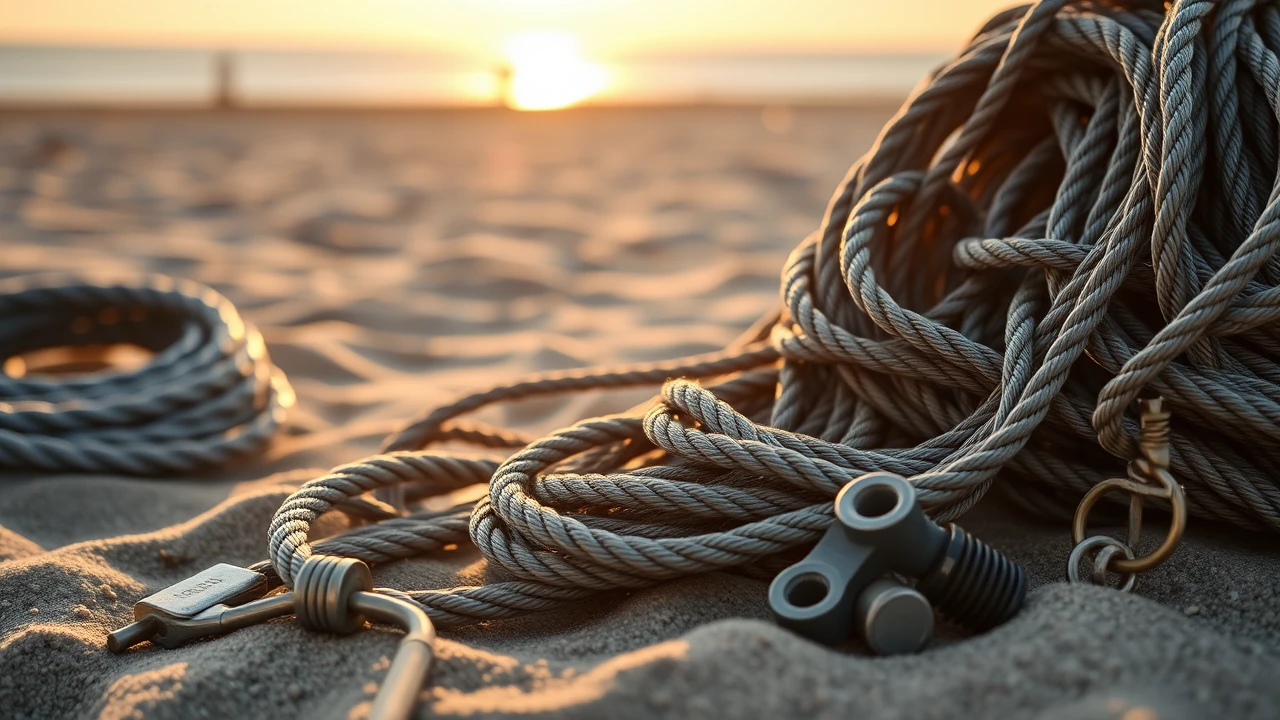
Choosing the right rope or hardware cable for marine, water sports, rescue, or docking applications can be confusing without a clear understanding of the specialized features and materials involved. Ropes in this category are not just simple cords; they are engineered for durability, safety, and environmental responsibility under demanding conditions. This comprehensive buying guide will walk you through everything you need to know — from selecting the right material and tensile strength to understanding key safety features and avoiding common mistakes.
Understanding Ropes & Hardware Cable: What Makes Them Unique?
Ropes and hardware cables designed for marine and water sports use differ significantly from general-purpose ropes. They must withstand harsh environments including saltwater exposure, UV radiation, abrasion, and dynamic loads.
Materials Matter: Nylon, Polypropylene, Polyester, and Braided Polyethylene
- Nylon: Known for its excellent strength, elasticity, and abrasion resistance, nylon ropes handle dynamic loads well. They are commonly used for towing and wakeboarding ropes.
- Polypropylene: Lightweight and buoyant, polypropylene ropes float on water, making them ideal for water sports and rescue applications where visibility and ease of retrieval are crucial.
- Polyester: Offers low stretch, high strength, and superior UV resistance. Polyester ropes are a favorite for docking and anchoring where minimal elongation is desired.
- Braided Polyethylene: This newer material focuses on durability and buoyancy, often featuring a braided construction that enhances abrasion resistance and handling.
Key Characteristics to Look For
- UV Resistance: Prolongs rope life by preventing weakening from sun exposure.
- Waterproof and Floating Design: Floating ropes prevent sinking, reducing entanglement hazards and making retrieval easier.
- Ergonomic Handles: EVA foam or rubber grips provide comfort and prevent slippage during use.
- Reinforced Loops & Quick-Release Mechanisms: Enhance safety by ensuring secure attachment points and enabling fast disengagement in emergencies.
- Certifications: TÜV, ISO, CE, and marine safety standards indicate tested reliability and quality assurance.
Eco-Friendly Features
With growing awareness of environmental impact, many ropes now include biodegradable coatings and recyclable components, underscoring a commitment to sustainability without sacrificing performance.
How to Choose the Right Rope for Your Application
Match the Rope to Your Activity
-
Wakeboarding and Water Skiing: Look for ropes with moderate stretch (nylon or braided polyethylene), floating capability, and ergonomic handles to reduce fatigue during intense pulls and turns. Lengths commonly range from 60 to 75 feet with a thickness of 6mm to 8mm.
-
Tow Ropes for Inflatable Tubes: Prioritize lightweight, floating polypropylene ropes that are easy to handle and store. Thickness around 6mm is typical, with lengths between 25 and 50 feet.
-
Anchor Lines for Boating: Choose polyester ropes with low stretch and high abrasion resistance to maintain secure anchoring. Thicknesses of 10mm to 12mm and lengths up to 100 feet provide strength and durability.
-
Docking Ropes: Require UV-resistant polyester or nylon ropes with high tensile strength (up to 2,500 lbs), reinforced loops for secure mooring, and protective coatings to resist chafing.
-
Rescue Ropes: High-visibility ropes with quick-release mechanisms and certified strength ratings are essential. Bright colors (neon yellow or orange) improve visibility in emergency scenarios, and thicknesses tend to be on the thicker side (8mm to 12mm) for durability.
Consider Tensile Strength and Thickness
Tensile strength indicates the maximum load a rope can safely handle. Choose a rope with a tensile strength exceeding your expected load to ensure safety. For example, a 2,500 lbs tensile strength rope is suitable for heavy-duty rescue or large boat anchoring, while 1,000 lbs might suffice for recreational towing.
Thickness affects handling and strength; thicker ropes generally provide higher durability but are less flexible and heavier. Balance your need for strength with ease of use.
Floating vs. Non-Floating Ropes: What’s Best?
-
Floating Ropes: Ideal for water-based activities where the rope’s visibility and retrieval are crucial. They reduce the risk of entanglement underwater and simplify rescue operations.
-
Non-Floating (Sinking) Ropes: Sometimes preferred for anchoring to avoid rope movement on the water surface, which can cause wear or snagging.
Your choice depends on whether you prioritize safety and ease of handling (floating) or stability and abrasion resistance on the seabed (non-floating).
Safety Features and Certifications: Why They Matter
Safety should be your top priority when selecting ropes for demanding applications.
- Quick-Release Mechanisms: Allow fast disconnection in emergencies, particularly important in rescue and towing scenarios.
- Reinforced Loops and Endings: Minimize wear and prevent failure at critical connection points.
- Ergonomic Handles: Reduce hand fatigue and improve grip, especially when handling ropes under tension.
- Certifications (TÜV, ISO, CE): Ensure the rope has undergone rigorous testing for strength, durability, and reliability. Always verify certifications when purchasing ropes for professional or safety-critical use.
Avoiding Common Mistakes When Buying Ropes
- Ignoring Material Properties: Don’t assume all ropes are equal—material determines strength, flexibility, and resistance to elements.
- Overlooking Length and Thickness Requirements: Using a rope that’s too short or thin for your activity compromises safety and performance.
- Neglecting Safety Features: Skipping ergonomic handles or quick-release options can increase risk during use.
- Disregarding Environmental Impact: Opting for cheaper, non-eco-friendly ropes may save money upfront but contributes to pollution and waste.
- Failing to Maintain Ropes: Regular inspections and proper storage are essential to prolong rope life and ensure safety.
Maintenance Tips to Prolong Rope Life
- Rinse After Use: Especially in saltwater environments, rinse ropes with fresh water to remove salt and debris.
- Avoid Prolonged Sun Exposure: Store ropes in shaded, dry places to prevent UV damage.
- Inspect Regularly: Check for fraying, cuts, or weakened sections before each use.
- Use Appropriate Storage Bags or Spools: Prevent tangling and abrasion during transport or storage.
- Replace When Necessary: Do not hesitate to replace ropes showing signs of wear or compromised integrity.
Innovations in Rope Technology to Watch For
- Ergonomic EVA Foam Handles: Provide superior comfort and non-slip grip, reducing hand fatigue during extended use.
- Quick-Release Systems: Allow rapid disconnection without fumbling, critical in rescue operations.
- Biodegradable Coatings: Help reduce environmental footprint without sacrificing rope durability.
- Recyclable Components: Enable more sustainable disposal or repurposing at the end of a rope’s lifecycle.
- Floating Braided Polyethylene: Combines buoyancy, strength, and abrasion resistance in a lightweight package.
Final Thoughts: Making an Informed Choice
Selecting the right ropes and hardware cables requires balancing activity-specific demands with material properties, safety features, and environmental considerations. Whether you’re a water sports enthusiast needing a reliable tow rope, a boater looking for durable anchor lines, or a professional rescue worker requiring certified, high-visibility ropes, understanding these key factors will help you make an informed, confident purchase.
Remember, investing in quality ropes designed to meet strict marine standards pays off in performance, safety, and longevity—ensuring your adventures and operations are secure and successful. Always prioritize certified products with the right specifications for your needs, maintain them properly, and stay informed about the latest innovations in rope technology. Your safety and satisfaction depend on it.