
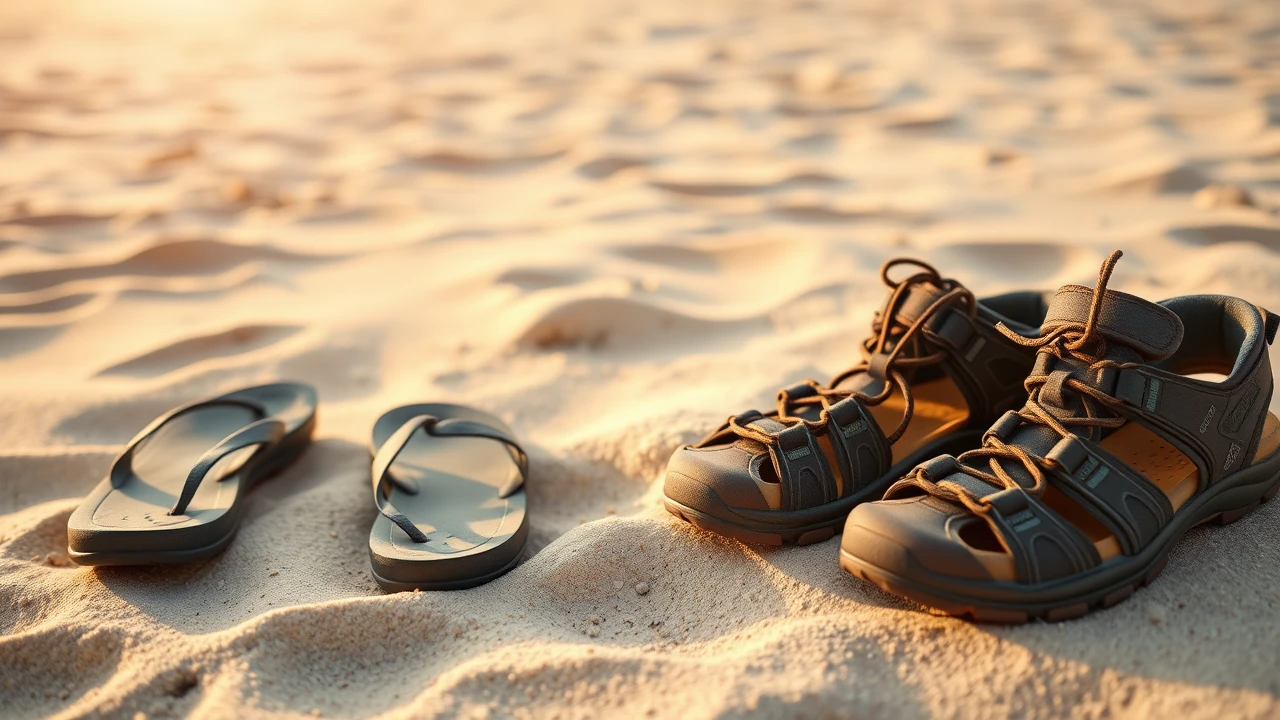
Sandals are a versatile footwear choice that blend comfort, style, and functionality for a wide range of activities—from casual beach days and urban strolls to rugged hiking and elegant social events. However, with so many types and features available, choosing the right pair can feel overwhelming. This comprehensive guide will help you navigate the diverse world of sandals, covering essential features to consider, common mistakes to avoid, and practical tips to select sandals that perfectly suit your lifestyle and needs.
Understanding Sandal Types and Their Use Cases
Before diving into features and specifications, it’s important to identify what type of sandal best aligns with your intended use:
-
Casual Flip-Flops and Slides: Lightweight, easy to slip on and off, these sandals are ideal for beach, poolside relaxation, or quick errands. They typically feature EVA foam footbeds and synthetic straps for comfort and water resistance.
-
Rugged Hiking and Sports Sandals: Designed for outdoor enthusiasts, these sandals offer durable construction, closed or open toes, adjustable straps, and non-slip soles with impact resistance. Materials often include waterproof neoprene, quick-dry fabrics, and reinforced synthetic leather.
-
Gladiator and Heeled Fashion Sandals (Women’s): These styles emphasize aesthetic appeal while integrating comfort features like cushioned footbeds and ergonomic arch support, suitable for casual wear and formal occasions.
-
Travel-Specific Foldable Sandals: These lightweight, compact sandals prioritize portability without sacrificing durability. Features include foldable designs, breathable quick-dry fabrics, and adjustable heel support for all-day comfort.
Key Features to Consider When Buying Sandals
1. Materials: Comfort, Durability, and Sustainability
The materials used in sandals directly impact comfort, longevity, and environmental footprint:
- Synthetic Leather: Offers durability and water resistance with a polished look, suitable for fashion sandals and hiking variants.
- EVA Foam: A lightweight, cushioned material commonly used in footbeds and midsoles, providing shock absorption and all-day comfort.
- Neoprene: Highly water-resistant and quick-drying, ideal for water sports sandals and beach footwear.
- Recyclable Components: Many modern sandals incorporate eco-friendly materials certified by ISO or TÜV, balancing performance with sustainability.
Choosing sandals made from these materials ensures you get footwear that performs well while supporting eco-conscious manufacturing practices.
2. Support: Ergonomics and Adjustable Fit
Proper foot support is crucial for comfort and foot health, particularly if you plan to wear sandals for extended periods or during active pursuits:
- Arch Support: Ergonomically designed footbeds with adjustable arch support help distribute weight evenly and reduce foot fatigue.
- Heel Support: Adjustable heel straps stabilize the foot and prevent slipping, which is essential in hiking or travel sandals.
- Cushioned Footbeds: Look for sandals with memory foam or gel cushioning to absorb impact and provide comfort on hard surfaces.
3. Sole Construction: Safety and Traction
The sole is the foundation of your sandal’s performance, influencing grip, durability, and protection:
- Non-Slip Soles: Rubber or specialized synthetic soles with tread patterns enhance traction on wet or uneven terrains.
- Impact Resistance: Thicker midsoles or built-in shock absorbers help protect feet from rough ground and provide comfort during prolonged wear.
- Protective Toe Caps: Closed-toe hiking sandals often feature reinforced toe boxes to shield against rocks or debris.
4. Breathability and Comfort Features
Sandals should keep your feet cool and dry, especially in warm climates or during water activities:
- Quick-Dry Fabrics: Materials like neoprene and mesh dry rapidly, preventing discomfort and blisters.
- Anti-Chafing Design: Smooth straps and thoughtful seam placements reduce friction points.
- Odor-Resistant Technology: Some sandals incorporate antimicrobial treatments to keep feet fresh during all-day wear.
5. Style and Versatility
Your choice may also depend on balancing aesthetic appeal with function:
- Fashion Sandals: Heeled or gladiator styles often use synthetic leather with elegant finishes, combined with cushioned footbeds for comfort.
- Casual and Outdoor: Sport and hiking sandals focus more on rugged materials and adjustable features than on high fashion.
- Color and Design Options: Many sandals come in neutral and bold colors, allowing you to express personal style while enjoying practical benefits.
Common Mistakes to Avoid When Buying Sandals
- Ignoring the Intended Use: Buying fashion sandals for intense outdoor hiking can lead to discomfort and safety risks; always match sandal type to activity.
- Overlooking Fit Adjustability: Fixed-size sandals without adjustable straps may cause blisters or foot slippage.
- Neglecting Material Quality: Cheap materials might not dry quickly or withstand wear, shortening sandal lifespan.
- Skipping Safety Features: Lack of non-slip soles or impact protection can result in accidents on slippery or rough surfaces.
- Forgetting Portability Needs: Travelers should prioritize foldable, lightweight designs rather than bulky sandals.
How to Choose the Right Sandals for Your Lifestyle
Step 1: Define Your Primary Use
Are you looking for everyday casual sandals, rugged hiking footwear, or stylish options for social events? Knowing this will narrow your options considerably.
Step 2: Prioritize Key Features
Match features to your needs:
- For beach and water activities, focus on waterproof, quick-dry materials with non-slip soles.
- For hiking and outdoor use, emphasize durable construction, protective toe caps, and adjustable ergonomic support.
- For fashion and formal wear, seek cushioned footbeds with stylish synthetic leather and stable heel designs.
- For travel convenience, select foldable, lightweight sandals with reliable arch and heel support.
Step 3: Check Certifications and Quality Assurances
Look for sandals certified by ISO, ASTM, CE, or TÜV standards. These certifications indicate tested durability, safety, and environmental responsibility.
Step 4: Try Them On and Test Comfort
If possible, try sandals on with the socks or conditions you expect to wear them in. Walk on different surfaces to check fit, support, and sole grip.
Step 5: Consider Maintenance and Longevity
Opt for sandals that come with warranties or repair kits, and be prepared to follow recommended cleaning and care routines to extend their service life.
Conclusion
Choosing the perfect pair of sandals involves balancing comfort, style, functionality, and sustainability. Whether you need rugged hiking sandals with impact-resistant soles or elegant heeled styles with cushioned footbeds, understanding the materials, support features, and design elements will empower you to make informed decisions. Avoid common pitfalls by matching sandal types to your activities, prioritizing adjustable fits, and selecting quality-certified products. With this guide, you are well-equipped to find sandals that will keep your feet happy and stylish through every adventure and occasion.