
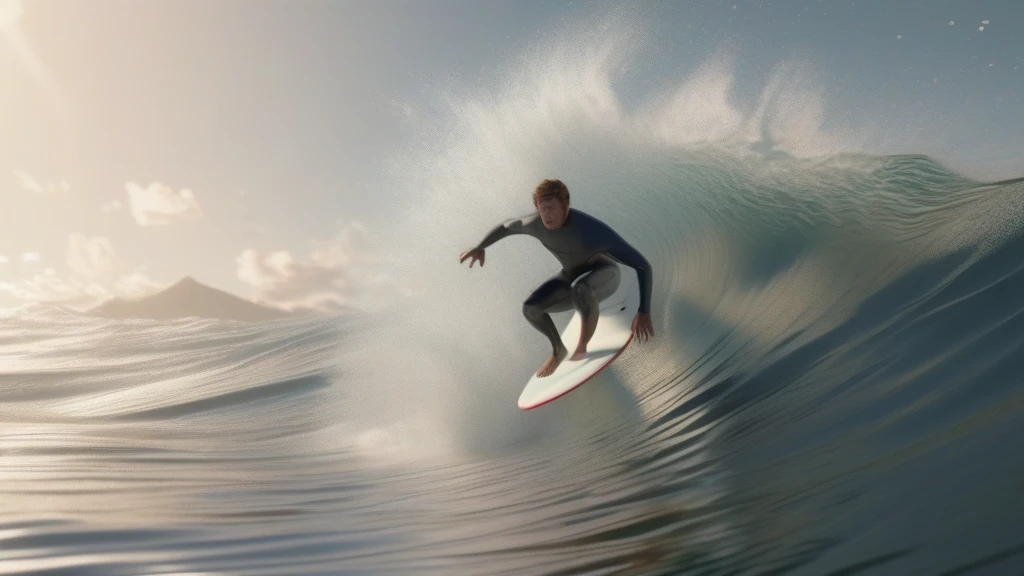
Shortboard surfboards are the quintessential choice for surfers seeking thrill, precision, and high-performance on the waves. Designed primarily for agility, speed, and control on short to medium waves, these boards cater to intermediate surfers progressing to advanced and competitive riders aiming to master freestyle maneuvers and rapid turns. This comprehensive buying guide will walk you through everything you need to consider when selecting the perfect shortboard surfboard—from essential features and design elements to maintenance tips and sustainability considerations.
Understanding Shortboard Surfboards: What Sets Them Apart?
Before diving into buying advice, it’s important to understand what defines a shortboard surfboard. Typically ranging from about 5’6” to 7’0” in length, shortboards are engineered for responsiveness and quick maneuvering. Compared to longboards or funboards, they have a narrower, thinner profile and more pronounced curves (rocker), which allow for sharper turns and faster wave riding. They excel in medium to steep waves where speed and control are critical.
Key Characteristics:
- Length & Volume: Shorter length and lower volume for enhanced maneuverability.
- Rocker Profiles: Variations in curvature along the board’s bottom influence turning ability and speed.
- Tail Shapes: Different tail designs affect stability, control, and responsiveness.
- Fin Configurations: Multiple fin setups customize grip and drive on the wave.
- Construction Materials: Lightweight and durable composites optimize performance and longevity.
- Safety & Durability Features: Anti-slip surfaces, reinforced fins, and scratch-resistant coatings improve functionality and lifespan.
- Eco-Friendly Manufacturing: Growing use of sustainable materials and biodegradable coatings.
How to Choose the Right Shortboard Based on Your Skill Level and Surfing Style
Selecting the ideal shortboard depends heavily on your surfing proficiency, typical wave conditions, and the style of surfing you want to pursue.
For Intermediate Surfers:
Intermediate surfers developing freestyle skills should look for boards that balance performance with forgiveness. Consider models with:
- Moderate rocker profiles for easier paddling and smoother turns.
- Squash or round tail shapes that provide stability without sacrificing maneuverability.
- Thruster fin setups (three fins) for balanced control and drive.
- Medium volume boards to maintain buoyancy and ease of wave catching.
For Advanced and Competitive Surfers:
Experienced riders demand precision and speed. The best shortboards for them feature:
- Continuous or hybrid rocker profiles to maximize responsiveness on steep waves.
- Pin or swallow tail shapes tailored for sharp, aggressive turns.
- Quad or twin fin configurations offering enhanced speed and loose feel.
- Lightweight construction using carbon fiber or epoxy composites for maximum performance.
- Customizable fin systems that are detachable or foldable for tuning and travel ease.
Matching Board to Wave Conditions:
- Small to Medium Waves: A flatter rocker combined with a wider squash tail enhances speed and control.
- Steep, Powerful Waves: A pronounced rocker and narrow pin tail improve maneuverability and hold during quick turns.
Deep Dive: Fin Systems and Their Impact on Performance
The fin setup dramatically influences how a shortboard handles on the water. Understanding fin types helps you pick a board that matches your style.
- Thruster (Three Fin): The classic setup providing a balanced mix of stability, control, and maneuverability. Ideal for surfers who want versatility in various wave conditions.
- Quad (Four Fin): Offers increased speed and drive down the line with looser turns, favored in faster, steeper waves.
- Twin Fin: Provides a skatey, loose feel for quick, fluid turns but less stability, suitable for surfers prioritizing freestyle tricks.
- Single Fin: Rare in modern shortboards but offers smooth, drawn-out turns, generally seen in retro or hybrid designs.
Many boards feature detachable fin systems allowing surfers to swap fins based on conditions or preferences, enhancing the board’s versatility.
Materials Matter: Comparing Construction for Durability, Weight, and Environmental Impact
Shortboard surfboards are crafted from a variety of materials that influence their weight, durability, and ecological footprint.
Common Materials:
- Polyurethane (PU) Foam with Fiberglass: Traditional construction offering good balance of flex and strength but heavier and less eco-friendly.
- Epoxy Resin with Expanded Polystyrene (EPS) Foam: Lighter and more durable, epoxy boards are resistant to dings and water absorption, popular among performance shortboards.
- Carbon Fiber Reinforcements: Used in high-end boards to add stiffness and reduce weight without sacrificing durability.
- Eco-Friendly Options: Increasingly, boards incorporate biodegradable coatings, recyclable components, and sustainably sourced foams to minimize environmental impact.
When choosing a shortboard, consider not only performance needs but also your commitment to sustainability. Opting for boards made with recycled or bio-based materials supports ocean health without compromising quality.
Essential Design Features: Rocker Profiles and Tail Shapes Explained
Rocker Profiles
- Flat Rocker: Maximizes speed on smaller, softer waves but reduces maneuverability.
- Moderate Rocker: A versatile profile suited for a range of wave types and skill levels.
- Continuous Rocker: Smooth, consistent curve enhances control on steep waves.
- Hybrid Rocker: Combines flat and curved sections to balance speed and turning ability.
Tail Shapes
- Squash Tail: Popular among shortboarders for its balance of control and sharp turns.
- Swallow Tail: Offers extra hold and maneuverability in steep waves.
- Bat Tail: Provides stability with a unique shape that enhances quick directional changes.
- Round Tail: Smooth rail transitions for fluid turns, ideal for intermediate surfers.
- Pin Tail: Narrow and pointed for maximum hold and control in powerful waves.
Your choice in rocker and tail shapes should align with your preferred wave types and surfing style.
Safety Features and Certifications: What to Look For
Safety is paramount, especially for new and intermediate surfers. Many shortboard surfboards incorporate:
- Anti-slip Decks: Textured surfaces or grip pads to prevent slipping during maneuvers.
- Reinforced Fins: Sturdy fin boxes and fin guards reduce the risk of breaks or injuries.
- Scratch-Resistant Surfaces: Enhance durability and maintain board integrity.
- International Safety Certifications: Look for compliance with standards like ISO, CE, or TÜV that ensure quality and safety compliance.
These features not only protect you but also extend the lifespan of your board.
Maintenance Tips: Waxing, Repairs, and Travel Storage
Proper care keeps your shortboard performing at its best and ready for travel:
- Wax Application: Choose wax suited for your local water temperature and regularly apply it to maintain grip. Clean old wax periodically to avoid buildup.
- Repairs: Carry a compact repair kit for quick fixes of dings and cracks. Epoxy boards often require specific repair materials.
- Storage: Store your board in a padded, weather-resistant board bag to protect it from sun damage, scratches, and impacts. Many shortboards come with travel-friendly bags and accessories.
- Travel Packing: Detachable or foldable fins and compact bags make transporting shortboards convenient for surfers on the go.
Accessory Recommendations for Shortboard Surfers
To complement your shortboard, consider these common accessories:
- Leashes: Secure your board to your ankle to prevent loss.
- Fin Sets: Extra fins in various configurations for customization.
- Repair Kits: Essential for on-the-spot fixes during surf trips.
- Wax Kits: Ensure grip in all water temperatures.
- Carry Bags: Padded, durable, and sometimes waterproof, designed for travel ease.
Conclusion: Making an Informed Shortboard Surfboard Purchase
Choosing the right shortboard surfboard involves understanding your skill level, the waves you plan to ride, and your style preferences. By considering key features such as rocker profiles, tail shapes, fin systems, and construction materials, you can select a board that offers optimal performance, durability, and safety. Don't overlook the importance of eco-conscious manufacturing and sustainability—these factors are increasingly shaping the future of surfing gear.
Investing in proper maintenance and the right accessories will extend the life of your board and enhance your surfing experience. Whether you are honing freestyle skills or competing at a high level, the perfect shortboard surfboard is the foundation for unlocking your potential on the waves.
With this guide, you're well-equipped to navigate the diverse world of shortboard surfboards and find a board that matches your surfing ambitions and values.