
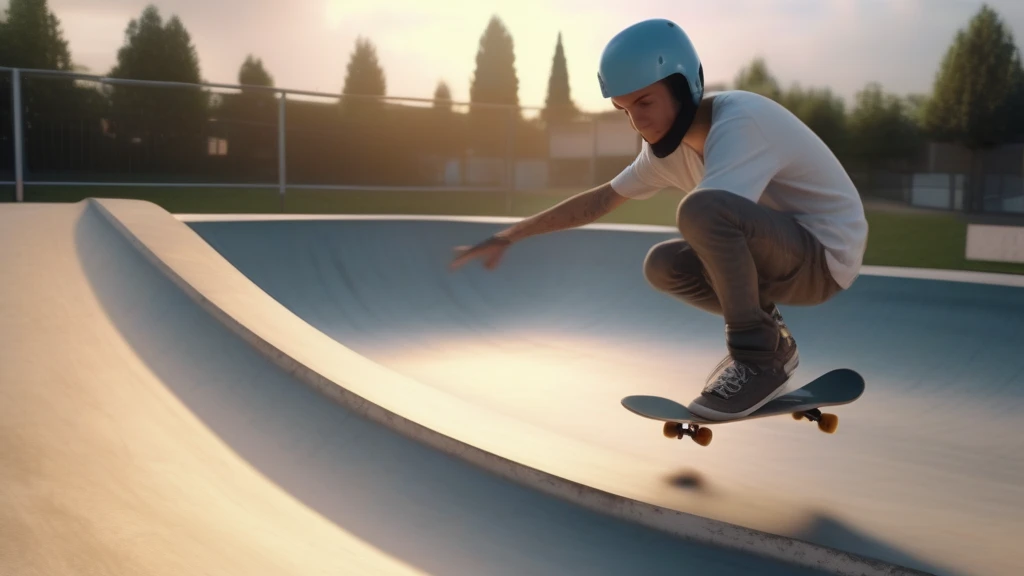
Skate helmets are an essential piece of protective gear for anyone engaged in skateboarding, BMX riding, scootering, rollerblading, or other similar outdoor sports. Whether you're a beginner or a seasoned pro, choosing the right helmet can dramatically reduce the risk of head injuries while improving comfort and confidence during your activities. This comprehensive guide will walk you through everything you need to know when buying a skate helmet—from key features and safety certifications to fit, ventilation, and sustainability considerations.
Why a Skate Helmet Is Crucial for Your Safety
Skateboarding and its related sports involve high speeds, jumps, tricks, and unpredictable falls. Unlike casual cycling helmets, skate helmets are specifically designed to protect against multiple smaller impacts typical in skating environments as well as single severe impacts. Their construction and safety certifications emphasize reliable shock absorption and durability to keep you safe.
Key Features to Consider When Buying a Skate Helmet
1. Safety Certifications: Know What They Mean
Safety standards are your first line of assurance that a helmet offers certified protection. Different certifications serve different markets and testing criteria:
- CPSC (Consumer Product Safety Commission): Mandatory for all bike helmets sold in the US, this certification ensures impact protection and strap strength under specific test conditions.
- ASTM F1492: Specifically designed for skateboarding helmets, this standard tests for repeated impacts and shell penetration resistance.
- CE EN 1078: A European standard for cycling, skateboarding, and roller skating helmets, focusing on impact absorption and retention system effectiveness.
- ISO and TÜV: International standards that often involve rigorous testing of helmet durability and safety features.
When buying, look for helmets that meet multiple certifications (e.g., CPSC + ASTM F1492) to ensure versatile, reliable protection across related sports like scootering and BMX.
2. Construction Materials: Balancing Durability and Weight
The helmet’s construction directly impacts its safety, comfort, and longevity:
- Outer Shell: Most skate helmets use polycarbonate or ABS plastic shells for robust impact resistance. Premium models may incorporate carbon fiber reinforcements to enhance strength while reducing weight.
- Inner Liner: Typically made of EPS (expanded polystyrene) foam, which absorbs shock during impacts. Some helmets include advanced liners like MIPS (Multi-directional Impact Protection System) that reduce rotational forces on the brain during angled impacts.
- Weight Considerations: Lightweight helmets usually range between 200-300 grams, reducing neck strain and increasing comfort during long sessions.
3. Fit and Adjustment Systems: Customizing Comfort and Safety
A helmet that fits well is crucial for effective protection. Poorly fitted helmets can shift during a fall, exposing vulnerable areas:
- Size Options and Pads: Many helmets offer multi-size fit pads to accommodate different head shapes and growth, especially for youth models.
- Adjustment Mechanisms: Look for helmets with rotational dial systems or adjustable straps that allow you to fine-tune the fit snugly without discomfort.
- Chin Straps and Buckles: Quick-release buckles provide convenience, but ensure the straps are sturdy and adjustable to keep the helmet securely fastened.
4. Ventilation and Comfort Features
Skateboarding and related sports are often performed outdoors in the summer, making ventilation vital to prevent overheating:
- Vent Placement and Quantity: Most helmets feature between 10-15 vents placed strategically on the front, top, and rear to maximize airflow.
- Adjustable Vents: Some advanced helmets offer vents you can open or close depending on conditions.
- Sweat-Wicking Liners: Removable, washable, and moisture-wicking liners keep you dry and comfortable during intense activity.
5. Additional Features and Considerations
- Reflective Details: Enhances visibility during low-light conditions, adding a safety layer especially for urban riders.
- Portability: Some helmets fold flat or come with carry bags, making them easy to transport.
- Style and Color Options: Helmets come in a wide range of colors and graphics, allowing riders to express personality while choosing high-visibility hues for safety.
- Sustainability: Increasingly, manufacturers incorporate eco-friendly materials, low-carbon production methods, biodegradable coatings, and recyclable components.
Common Mistakes to Avoid When Buying a Skate Helmet
- Choosing Based on Style Over Safety: While looks matter, always prioritize helmets that meet recognized safety standards.
- Ignoring Fit and Comfort: Never buy a helmet that feels too tight or too loose just because it looks good or is on sale.
- Overlooking Multi-Sport Use: If you engage in multiple activities (e.g., skateboarding and cycling), opt for helmets certified for multi-sport use.
- Neglecting Helmet Maintenance: Helmets degrade over time, especially after impacts. Don’t use damaged helmets or exceed the manufacturer’s recommended lifespan (usually 3-5 years).
- Skipping Proper Adjustment: Make sure to adjust chin straps and dial systems every time you wear the helmet for maximum protection.
How to Choose the Right Helmet for Your Sport and Skill Level
Beginners and Children
Youth helmets should prioritize adjustable sizing for growth, lightweight construction for comfort, and bright colors or reflective elements for visibility. Models certified for ASTM F1492 and CPSC are ideal for scooter and beginner skateboarding activities.
Intermediate and Enthusiasts
Look for helmets with advanced impact mitigation like MIPS, enhanced ventilation, and ergonomic fit systems. Durable polycarbonate shells reinforced with carbon fiber offer great balance between protection and weight.
Professionals and Multi-Sport Riders
High-end helmets often combine multiple safety certifications, premium materials such as carbon fiber, and extensive adjustability. Some models include foldable designs and aerodynamic shapes tailored for BMX, scootering, and rollerblading competitions.
Maintenance and Lifespan: Caring for Your Skate Helmet
- Regular Cleaning: Use mild soap and water to clean the outer shell and liners. Avoid harsh chemicals that can degrade materials.
- Check for Damage: Inspect for cracks, dents, or compressed foam after any impact.
- Replace After Impact or 3-5 Years: Helmets lose effectiveness over time and should be replaced if involved in a crash or after the manufacturer’s recommended lifespan.
- Store Properly: Keep your helmet in a cool, dry place away from direct sunlight and extreme temperatures.
Summary: Making an Informed Decision
When selecting a skate helmet, prioritize verified safety certifications like CPSC and ASTM F1492 to ensure reliable protection. Consider construction materials such as polycarbonate shells combined with EPS foam and advanced technologies like MIPS to mitigate rotational impacts. Focus on finding a helmet with an ergonomic, customizable fit using adjustable straps and dial systems, complemented by ample ventilation for comfort during active summer sports.
Don’t overlook additional features like reflective elements, portability options, and sustainability credentials, especially if you’re conscious of your environmental impact. Avoid common pitfalls like poor fit or ignoring helmet maintenance to maximize your safety.
By understanding these detailed factors, you can confidently choose a skate helmet that not only protects you but enhances your overall skating experience.
Investing time in selecting the right skate helmet will ensure you stay safe, comfortable, and stylish on your board, scooter, or BMX bike for many seasons to come.