
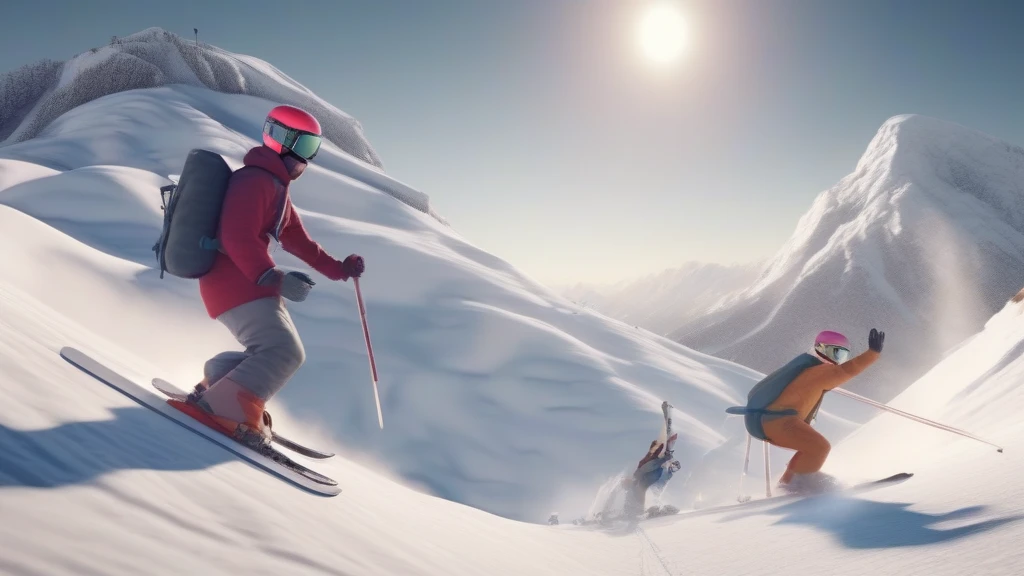
Winter sports are exhilarating but come with inherent risks, especially when skiing, snowboarding, ice climbing, or snowmobiling at high speeds over challenging terrain. One of the most critical pieces of equipment for any winter sports enthusiast is a high-quality ski or snowboard helmet. This guide will walk you through everything you need to know to choose the right helmet — from safety certifications and advanced technologies to fit, comfort, and sustainability considerations.
Why Choosing the Right Helmet Matters
Helmets are your primary defense against head injuries in winter sports. Beyond basic impact protection, modern helmets are engineered to optimize comfort, ventilation, and compatibility with other gear like goggles and communication devices. Selecting the right helmet tailored to your specific sport and skill level enhances both safety and enjoyment on the slopes or trails.
Understanding Helmet Safety Certifications and Technologies
Key Safety Certifications to Look For
When purchasing a ski or snowboard helmet, always check for recognized safety certifications. These standards verify that the helmet meets rigorous impact protection and penetration resistance tests:
- CE EN 1077: European standard specifically for alpine skiing and snowboarding helmets.
- ASTM F2040: North American standard for recreational snow sports.
- ISO Standards: International safety benchmarks covering various impact scenarios.
These certifications are your assurance that the helmet has been tested for the types of impacts common in winter sports.
The Role of MIPS and Impact Mitigation Technologies
Many helmets now incorporate advanced impact mitigation systems such as MIPS (Multi-directional Impact Protection System). MIPS technology adds a low-friction layer inside the helmet that allows a slight rotational movement during angled impacts, reducing rotational forces transferred to the brain.
In addition, helmets use multi-impact EPS foam liners, which combine different densities of foam to absorb repeated shocks while maintaining lightweight protection. This is particularly beneficial for backcountry adventurers and freestyle snowboarders who often face multiple impact risks.
Materials and Construction: Balancing Protection and Weight
Common Shell Materials
The helmet shell plays a crucial role in impact dispersion and durability. Popular materials include:
- Polycarbonate: Lightweight and durable, ideal for recreational skiers and snowboarders.
- ABS (Acrylonitrile Butadiene Styrene): Tough and impact-resistant, often used in more affordable helmets.
- Carbon Fiber and Hybrid Composites: Premium materials offering superior strength-to-weight ratios, favored by expert riders and professionals seeking maximum protection with minimal weight.
Choosing the right material depends on your performance needs and budget. For example, backcountry skiers often prioritize lightweight carbon fiber helmets to reduce fatigue during long ascents.
Fit and Comfort: The Cornerstone of Helmet Performance
Adjustable Fit Systems
A helmet must fit snugly without pressure points to provide effective protection and comfort over long periods. Look for features like:
- Dial Fit Systems: Precise adjustment dials at the back of the helmet allow quick, on-the-go size tuning.
- Multi-Size Pads: Removable and interchangeable padding to customize interior fit.
Ventilation Solutions
Cold weather doesn’t negate the need for ventilation. Active skiers and snowboarders benefit from helmets with:
- Multiple Adjustable Vents: Allowing cold air in or warmth retention, depending on conditions.
- Removable Vent Covers: For sealing vents in extreme cold or opening them during exertion.
- Anti-Fog Airflow Channels: Designed to reduce goggle fogging by directing airflow efficiently.
Comfort Features
Comfort extends beyond fit and ventilation:
- Fleece or Sweat-Wicking Liners: Keep your head warm and dry.
- Detachable Ear Pads: Offer warmth and pressure relief, with the option to remove when not needed.
- Ergonomic Design: Contours that accommodate head shapes and integrate seamlessly with other gear.
Matching Helmets to Specific Winter Sports and Skill Levels
Different winter sports have unique demands that influence helmet choice:
Alpine Skiing and Snowboarding
Helmets for these sports emphasize multi-impact protection and compatibility with goggles. They often feature:
- Lightweight polycarbonate shells.
- Adjustable ventilation for varying intensity.
- Magnetic or clip goggle integration systems for secure, fog-free fit.
Backcountry Skiing and Snowmobiling
These users require helmets that balance protection with mobility and long wear:
- Carbon fiber or hybrid composite shells for reduced weight.
- Multi-impact EPS liners for repeated protection.
- Enhanced ventilation with removable covers to adapt to changing conditions.
- Quick-release chin straps for safety and convenience.
Ice Climbing and Winter Hiking
Helmets designed for these activities focus on penetration resistance and durability:
- Thicker shells or reinforced areas to protect from falling ice and debris.
- Compatibility with headlamps and communication devices.
- Comfortable fit systems for long duration wear in cold environments.
Avoiding Common Mistakes When Buying a Helmet
- Ignoring Certification Labels: Always verify safety standards compliance.
- Choosing Based on Style Alone: While aesthetics are important, prioritize safety and fit.
- Overlooking Compatibility: Ensure your helmet works well with goggles and other gear.
- Neglecting Proper Fit: An ill-fitting helmet can be unsafe and uncomfortable.
- Not Considering Ventilation Needs: Poor airflow leads to fogged goggles and discomfort.
- Disregarding Maintenance: Helmets degrade over time; regular inspection and care are essential.
Maintaining Your Helmet for Longevity and Performance
Proper maintenance extends the life and effectiveness of your helmet:
- Regular Cleaning: Use mild soap and water to clean the shell and liners; avoid harsh chemicals.
- Storage: Keep helmets in cool, dry places away from direct sunlight and extreme temperatures.
- Inspection: Check for cracks, dents, or compromised padding before each season.
- Replacing After Impact: Helmets are designed for one significant impact; replace if involved in a crash.
Environmental Responsibility in Helmet Manufacturing
More brands are embracing sustainability by using:
- Eco-Friendly Manufacturing Processes: Minimizing carbon footprint during production.
- Recyclable Components: Shells and liners designed for end-of-life recycling.
- Sustainable Materials: Incorporating recycled plastics and bio-based foams.
Choosing a helmet from a company committed to environmental responsibility helps reduce your winter sports footprint without sacrificing protection.
Accessory Compatibility: Enhancing Your Winter Sports Experience
Modern helmets often include or support:
- Goggle Integration Systems: Magnetic or clip-on holders ensure goggles stay in place and reduce fogging.
- Communication Device Mounts: For Bluetooth headsets or two-way radios, especially useful in backcountry or group rides.
- Camera Mounts: For action cameras to capture your runs.
When selecting a helmet, consider what accessories you use regularly and ensure your helmet accommodates them seamlessly.
Conclusion: Making an Informed Decision
Choosing the right ski or snowboard helmet involves balancing safety certifications, advanced protection technologies like MIPS, material quality, fit and comfort features, and environmental considerations. By understanding the demands of your specific winter sport and reviewing the helmet’s key characteristics—impact resistance, ventilation, weight, and compatibility—you can select a helmet that enhances both your safety and enjoyment on the snow.
Remember, a helmet is an investment in your well-being. Prioritize certified, well-fitting, and well-maintained helmets designed for your activity to ensure every winter adventure is a safe one.