
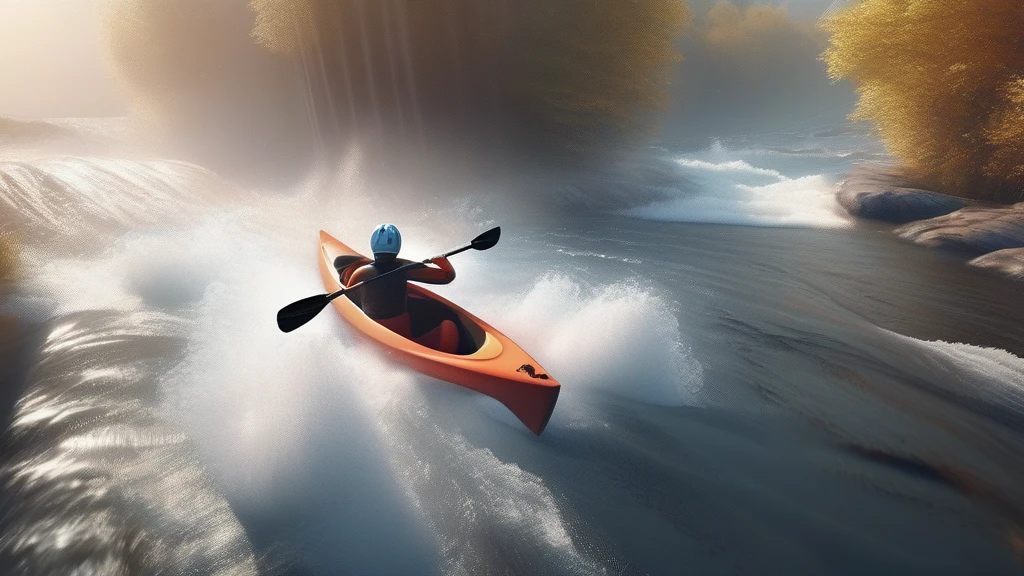
Slalom kayaking is a thrilling blend of speed, precision, and skill—demanding not only athletic prowess but also the right equipment. Choosing the perfect slalom kayak can make the difference between winning a race, improving your fitness, or simply enjoying the rush of navigating fast-flowing waters. This comprehensive buying guide will walk you through the key features to look for, material considerations, common pitfalls, and tips to find the ideal slalom kayak tailored to your needs.
Understanding Slalom Kayaks: What Sets Them Apart?
Slalom kayaks are specialized craft designed primarily for competitive racing, fitness paddling, and advanced touring on rivers with challenging currents. Unlike recreational or touring kayaks, slalom kayaks prioritize:
- Lightweight construction for quick acceleration and agile maneuvering.
- Streamlined, aerodynamic hulls for minimal drag and maximum speed.
- High stability that supports rapid turns and high-speed control.
- Durability to withstand impacts against rocks and gates during races.
These kayaks typically weigh under 35 pounds, making them highly responsive on the water. Their design focuses on delivering peak performance during slalom courses, sprint events, and technical downriver runs.
Key Features to Consider When Buying a Slalom Kayak
1. Construction Materials: Balancing Weight, Strength, and Durability
The choice of material significantly affects a kayak’s performance and lifespan. Common materials in slalom kayaks include:
-
Carbon Fiber: Renowned for its ultra-lightweight and exceptional stiffness, carbon fiber kayaks offer unmatched speed and responsiveness. They are ideal for competitive paddlers seeking every advantage but come at a premium price and require careful handling to avoid damage.
-
Kevlar: This material combines lightness with high impact resistance, making it suitable for kayakers who want durability without sacrificing performance. Kevlar kayaks can better absorb strikes from rocks or gates during intense slalom runs.
-
Fiberglass: Offering a balance between cost and performance, fiberglass kayaks are moderately lightweight and sturdy. These are excellent for intermediate paddlers who want performance without the high price tag of carbon fiber.
-
High-Density Polyethylene (HDPE): This durable plastic is heavier but more impact-resistant and affordable. HDPE kayaks are a practical choice for beginners or those training in harsh water conditions where scratches and bumps are common.
-
Thermoformed ABS: A lighter, rigid plastic material that provides good durability and UV resistance. These kayaks are often found in mid-range models and offer a good compromise between weight and toughness.
2. Hull Design: Speed Meets Stability
The hull shape of a slalom kayak is engineered for low drag and high maneuverability.
- Flat Bottom Hulls provide excellent initial stability, aiding in rapid turns and quick direction changes.
- V-Shaped Hulls offer better tracking and smoother handling at high speeds but may require more skill to balance.
- Rounded or Rocker Hulls help with agility, allowing kayakers to negotiate tight gates and turbulent water while maintaining speed.
Look for kayaks with aerodynamic profiles that help cut through water efficiently, and consider how the hull design matches your paddling style and typical water conditions.
3. Ergonomics: Comfort and Control
Slalom kayaking demands precise paddle strokes and body movements. Features that enhance ergonomics include:
-
Adjustable Seating: Ergonomic seats with adjustable backrests and padding reduce fatigue during long paddling sessions. Many slalom kayaks have anti-slip seats to keep paddlers securely positioned during aggressive maneuvers.
-
Footrests and Pedals: Adjustable and sturdy foot braces provide leverage and stability. Some models incorporate quick-release mechanisms enhancing safety and convenience.
-
Spray Skirts: These help keep water out of the cockpit, essential for paddling in rapids and turbulent conditions.
4. Portability and Storage
Weight and transportability are crucial, especially for competitive paddlers who travel frequently:
- Lightweight Build: Kayaks under 35 pounds are easier to carry and load onto vehicles.
- Carry Handles: Integrated front and rear handles simplify transport.
- Modular or Foldable Designs: Some advanced kayaks offer foldable components to reduce storage space, though these may be less common in slalom models.
- Storage Hatches: While slalom kayaks generally prioritize speed over storage, integrated, waterproof hatches can be useful for fitness paddlers who need to carry hydration or small gear.
5. Safety Features
High-speed slalom kayaking involves risks. Look for:
- Reinforced Hulls: Extra protection against impacts with rocks or obstacles.
- Emergency Quick-Release Systems: Allow rapid exit from the kayak in case of capsizing.
- Certifications: ISO, CE, TÜV, or marine safety ratings ensure the kayak meets stringent safety standards.
- UV and Weather Resistance: Durable finishes protect the kayak from sun damage and harsh conditions.
6. Warranty and Manufacturer Support
Longer warranties (1 to 5 years or lifetime hull coverage) reflect confidence in product quality and provide peace of mind. Check manufacturer policies on repairs and replacement parts.
Matching Your Skill Level and Use Case
Beginners and Intermediate Paddlers
If you’re building skills or using the kayak for fitness and recreational racing, prioritize:
- Durable materials like fiberglass or HDPE.
- Slightly wider hulls for easier balance.
- Comfortable, adjustable seating.
- Moderate weight for manageable transport.
Advanced and Competitive Racers
Seek out:
- Carbon fiber or Kevlar construction for maximum performance.
- Streamlined, V-shaped hulls designed for speed and precision.
- Ergonomic, customizable cockpit setups.
- Lightweight models under 30 lbs for quick handling.
- Specialized safety features for aggressive runs.
Solo vs. Tandem Kayaks
- Solo Slalom Kayaks are the norm, offering maximum control and responsiveness.
- Tandem Options exist but are less common; they provide a shared experience but trade off some agility and speed.
Common Mistakes to Avoid When Buying a Slalom Kayak
- Ignoring Your Skill Level: Advanced kayaks can be difficult to control for beginners, leading to frustration or injury.
- Overlooking Material Trade-Offs: Lightweight materials may be fragile; durable plastics could be heavier.
- Neglecting Fit and Comfort: Poor ergonomics reduce paddling efficiency and cause fatigue.
- Underestimating Transport Needs: Heavy or bulky kayaks can complicate travel and storage.
- Skipping Safety Checks: Ensure your kayak meets safety standards and includes critical features.
- Not Considering Maintenance: Some materials require more upkeep; know what’s involved before buying.
Training Tips for Slalom Kayaking Success
- Focus on Technique: Practice precise paddle strokes and body positioning to maneuver gates efficiently.
- Build Fitness: Use your kayak for endurance paddling on flat and moderate rapids.
- Simulate Race Conditions: Train on courses with dynamic water flows to enhance reaction times.
- Maintain Your Kayak: Regularly inspect for hull damage, clean and lubricate adjustable parts, and store it properly to extend its life.
Environmental Considerations in Slalom Kayak Selection
Sustainability is increasingly important. Look for manufacturers that:
- Use recyclable materials like recyclable plastics or natural fiber composites.
- Employ low-emission manufacturing processes.
- Offer repair kits and long warranties to extend kayak lifespan and reduce waste.
Choosing eco-friendly kayaks supports conservation of the waterways you enjoy.
Recommended Accessories to Enhance Your Slalom Kayaking Experience
- Spray Skirts: Essential for keeping cockpit dry during aggressive paddling.
- Repair Kits: Useful for quick fixes in the field.
- Paddle Leashes: Prevent losing your paddle in turbulent water.
- Protective Storage Bags: Aid in transport and storage.
- Hydration Systems: Important for fitness paddling and long training sessions.
Final Thoughts
Selecting the right slalom kayak involves balancing your skill level, performance goals, and practical needs. Prioritize materials and hull designs that match your paddling style, pay close attention to ergonomics and safety, and consider portability for your lifestyle. By understanding these factors and avoiding common mistakes, you’ll be equipped to make an informed decision that enhances your enjoyment and success in the exhilarating sport of slalom kayaking.