
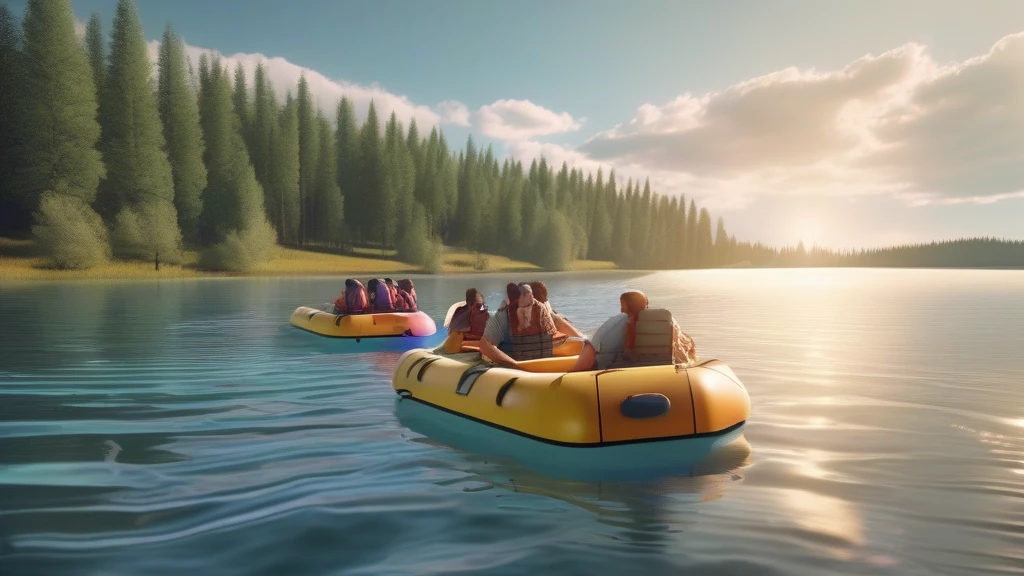
Towable rafts and tubes are a staple of recreational boating and water sports, offering a unique blend of thrill, social fun, and relaxation on the water. Whether you’re a solo adrenaline seeker or planning a family outing, choosing the right towable tube can transform your water adventures. This comprehensive guide dives into the essential features, safety tips, and buying considerations to help you pick the perfect towable raft or tube for your needs.
Understanding Towable Rafts & Tubes
Towable rafts and tubes are specially designed inflatable watercraft meant to be pulled behind a boat. They come in various sizes and styles, each tailored to different rider capacities and ride experiences. The primary appeal lies in the exhilarating ride as you skim across lakes, rivers, or calm coastal waters, either sitting inside a secure tube or lying on top for maximum splash and speed.
Key Features to Consider When Buying Towable Rafts & Tubes
1. Rider Capacity: Solo to Group Fun
Towable tubes vary widely in size and capacity. Solo tubes are perfect for individual thrill-seekers, offering lightweight and agile rides. On the other hand, larger towable rafts can accommodate up to six riders, making them ideal for families or groups of friends seeking a shared water sport experience.
- Solo/Double Tubes: Typically smaller and easier to handle, these tubes prioritize agility and speed. They often feature ergonomic seating or lay-on-top designs for optimal control.
- Multi-Rider Rafts: These larger models emphasize stability and comfort. With multiple secure seating options and reinforced grab handles, they provide safer rides for groups.
2. Riding Style: Sit-In vs. Lay-On-Top Designs
Your preferred riding style can significantly influence your choice.
-
Sit-In Towables: These feature a recessed seating area with backrests or side walls that provide added security and balance. Ideal for beginners or families with children, they reduce the risk of falling off during sharp turns or rough rides.
-
Lay-On-Top Towables: Designed for riders to lie or kneel on top of the tube, these models maximize thrill and freedom of movement. They tend to be lighter and easier to board from the water, favored by experienced riders looking for a high-adrenaline ride.
3. Material Quality and Durability
Durability is crucial for towable tubes to withstand repeated exposure to water, sun, and impact against waves or docks. Look for:
- Heavy-Duty PVC or Vinyl Construction: High-quality, robust materials resist punctures and abrasions, extending the life of your tube.
- Reinforced Seams and Double-Stitched Panels: These features add extra strength, preventing leaks and tears even during high-speed towing or rough handling.
- Water-Resistant Coatings: Help protect the tube from UV damage and fading, preserving vibrant colors like yellow, red, blue, and orange that enhance visibility and safety on the water.
4. Safety Features
Safety should be a top priority when selecting a towable tube.
- Secure Grab Handles: Multiple, ergonomically placed handles provide firm grip points for riders, essential during sharp turns or high-speed pulls.
- Stable Design and Wide Base: Especially important in multi-rider tubes to prevent tipping and ensure a smooth ride.
- Quick-Connect Tow Points: Allow for secure and hassle-free attachment to boats, reducing setup time and minimizing the risk of detachment during use.
- Bright Colors for Visibility: Vibrant hues improve visibility to boaters and other watercraft, lowering accident risks.
5. Comfort and Ergonomics
Comfortable rides encourage longer and more enjoyable sessions on the water.
- Padded Seating or Cushioned Surfaces: Many sit-in models include padded seats or backrests to reduce fatigue.
- Ergonomic Shapes: Contoured designs support natural body positioning, whether sitting or lying down.
- Inflation Valves for Easy Setup: Efficient inflation/deflation valves make getting on the water quick and easy, especially when multiple riders are involved.
Common Mistakes to Avoid When Choosing Towable Tubes
- Ignoring Rider Skill Level: Beginners benefit from stable, sit-in models with secure seating. Advanced riders might prefer lay-on-top tubes but should ensure the design matches their skill to avoid accidents.
- Overlooking Weight Capacity: Exceeding the recommended weight limit can cause instability and damage.
- Neglecting Tow Rope Compatibility: Ensure the tube’s tow point matches your boat’s tow rope system for secure attachment.
- Skipping Safety Gear: Always pair towable tubes with life jackets and proper supervision, regardless of rider experience.
- Forgetting Storage and Maintenance Needs: Inflatable tubes require proper drying and storage to prevent mold, mildew, and material degradation.
How to Choose the Right Towable Tube for You
Step 1: Define Your Usage
Are you tubing solo for adrenaline rushes, or seeking a family-friendly floating raft? Your intended use will narrow down your options by capacity and style.
Step 2: Match the Riding Style to Your Skill and Preference
- For stability and safety, especially with kids or beginners, opt for sit-in models.
- For excitement and freedom, lay-on-top tubes deliver a more dynamic ride.
Step 3: Check Material and Construction Quality
Prioritize tubes made from premium PVC or vinyl with reinforced seams. This ensures durability and safety during high-impact rides.
Step 4: Consider Additional Features
Look for ergonomic handles, padded seats, and quick-connect tow points that enhance comfort and ease of use.
Maintenance and Storage Tips to Prolong Your Towable Tube’s Life
- Rinse After Use: Freshwater rinse after every trip removes salt, sand, and debris that can degrade materials.
- Dry Thoroughly: Prevent mold and mildew by air-drying completely before folding and storing.
- Store in a Cool, Dry Place: Avoid prolonged exposure to sunlight and heat which can weaken the fabric.
- Inspect Regularly: Check for leaks, punctures, and wear on seams. Repair kits can patch minor damage.
- Proper Inflation: Avoid over- or under-inflation to maintain structural integrity and ride comfort.
Safety Best Practices for Towable Tubes
- Always wear approved personal flotation devices (PFDs).
- Use a spotter on the boat to monitor riders and communicate with the driver.
- Ensure proper hand grip on handles and feet placement to avoid injury.
- Start towing at slow speeds, gradually increasing as riders get comfortable.
- Avoid towing in rough water or crowded areas.
- Follow manufacturer guidelines for maximum speed and rider capacity.
Family-Friendly Activities and Group Fun Ideas
Towable rafts and tubes aren’t just about speed—they’re perfect for social water outings.
- Group Tubing Races: Challenge family or friends to races using multi-rider rafts.
- Floating Picnics: Use larger towables as floating platforms for snacks and relaxation.
- Water Games: Incorporate towables into games like “tube tag” or relay races.
- Skill Building: Teach kids balance and coordination in a safe sit-in tube setting.
Conclusion
Choosing the right towable raft or tube requires balancing rider capacity, riding style, material durability, and safety features to match your skill level and recreational goals. By understanding the distinct characteristics of sit-in versus lay-on-top models, prioritizing quality construction, and following best safety and maintenance practices, you can ensure countless hours of fun and unforgettable water experiences. Whether you’re chasing thrills or looking for a social floating adventure, the perfect towable tube awaits to elevate your boating outings.
Remember, the key to a great towable tube experience lies not just in the product but in how safely and thoughtfully you enjoy the water.