
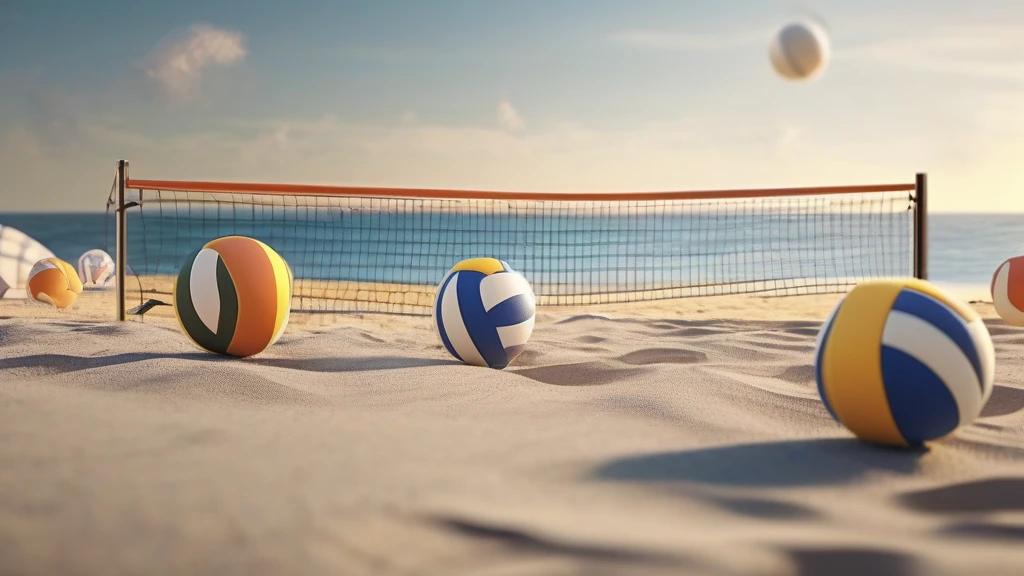
Volleyball is a dynamic, fast-paced sport enjoyed in gyms, on beaches, and across multi-surface courts worldwide. Whether you're a professional athlete, coach, tournament organizer, or a recreational player, selecting the right volleyball is crucial for optimal performance, safety, and enjoyment. With a wide range of volleyballs designed for different environments and skill levels, making an informed choice can be overwhelming.
This comprehensive buying guide breaks down everything you need to know about volleyballs—from key features and certifications to common pitfalls and expert tips—empowering you to choose the perfect ball tailored to your needs.
Understanding Volleyball Types and Their Uses
Volleyballs are not one-size-fits-all. Different types are engineered for specific environments and purposes, each optimized for performance characteristics relevant to their use case.
Indoor Volleyballs
Indoor volleyballs are designed primarily for use on hardwood or synthetic courts. They typically feature:
- Composite or synthetic leather covers that provide a smooth yet grippy surface.
- A high air retention bladder made of butyl or latex for consistent pressure and bounce.
- Reinforced stitching or high-tension panel construction to withstand the rigors of fast-paced indoor play.
These balls are lighter and firmer to accommodate quick ball handling and precise control. Many indoor volleyballs meet official size and weight regulations set by bodies like FIVB and NCAA, ensuring suitability for tournament play.
Beach Volleyballs
Beach volleyballs are specially crafted to endure outdoor conditions such as sand, sun, and moisture. Key features include:
- Waterproof and UV-resistant coatings that protect the ball from sun damage and water absorption.
- Covers often made of microfiber or tear-resistant rubber for durability and grip on sandy surfaces.
- Slightly larger and softer than indoor balls to accommodate wind and outdoor play dynamics.
Beach volleyballs also feature textures or anti-slip surfaces to enhance control despite wet or sandy hands. Certified models comply with FIVB beach volleyball standards.
Training and Multi-Surface Volleyballs
For training, warm-ups, or recreational play, versatile volleyballs are available that combine durability with adaptability:
- Adjustable pressure bladders allow modification of ball responsiveness and bounce to suit different skill levels and practice needs.
- Lightweight, impact-resistant designs reduce fatigue during extended drills.
- Multi-surface compatibility, featuring rugged outer layers, enables use on grass, hard courts, or indoor surfaces.
These volleyballs often incorporate eco-friendly materials and non-toxic coatings, aligning with safety and sustainability priorities.
Key Features to Consider When Buying a Volleyball
Selecting the right volleyball boils down to understanding certain critical product characteristics that impact playability, durability, and safety.
Material and Cover Technology
- Composite Leather vs. Synthetic Leather: Composite leather offers a soft touch and durability, ideal for indoor balls, while synthetic leather balances grip and weather resistance, favored for beach balls.
- Microfiber Panels: Enhance ball softness and control; common in premium indoor and beach volleyballs.
- Tear-Resistant Rubber: Provides extra durability, especially for outdoor and multi-surface volleyballs.
Air Retention and Bladder Quality
The bladder inside the volleyball maintains its shape and bounce:
- Butyl Bladders provide superior air retention, ensuring consistent pressure over long periods.
- Latex Bladders offer a softer feel but may require more frequent inflation.
- Some advanced models feature adjustable pressure systems, allowing customization of ball firmness for training or gameplay preferences.
Stitching and Panel Construction
- Reinforced stitching or high-tension panel bonding enhances ball longevity by resisting splitting or deformation.
- The number of panels (commonly 18 or more) influences aerodynamics and handling characteristics.
Surface Texture and Grip
- Textured or anti-slip surfaces improve ball control, especially in humid or wet conditions.
- Beach volleyballs often have specialized textures optimized for sandy environments.
Certification and Size Standards
- Balls certified by FIVB, NCAA, TÜV, ISO, or CE adhere to strict size (usually 65-67 cm circumference), weight (260-280 grams), and performance standards.
- Choosing certified balls is essential for official competition and ensures consistent quality.
Common Mistakes to Avoid When Purchasing Volleyballs
Even experienced players can make errors when buying volleyballs. Avoid these pitfalls to ensure satisfaction and value.
Overlooking the Play Environment
Purchasing an indoor volleyball for beach play or vice versa leads to rapid wear and subpar performance. Always match the volleyball type to your primary playing surface.
Ignoring Certification and Size Compliance
Using non-certified balls in tournaments can lead to disqualification. Check for certifications and ensure the ball meets official size and weight requirements.
Neglecting Durability and Material Quality
Cheaper balls may use inferior materials prone to rapid tearing or loss of air pressure. Investing in volleyballs with reinforced stitching and quality bladders pays off in longevity.
Forgetting to Consider Skill Level and Usage
Beginners and training players may benefit from lighter, softer, or adjustable-pressure balls, while professionals need regulation-weight, high-performance models.
Disregarding Maintenance Requirements
Not maintaining proper inflation or ignoring damage can shorten a volleyball’s lifespan. Understanding care tips is as important as the initial purchase.
How to Choose the Right Volleyball: Step-by-Step
1. Identify Your Primary Use Case
- For competitive indoor matches: Choose composite leather indoor volleyballs with certified size and weight.
- For beach tournaments or casual sand play: Opt for waterproof, UV-resistant beach volleyballs with textured surfaces.
- For versatile practice or multi-surface play: Select training volleyballs with adjustable pressure and durable covers.
2. Assess Certification Needs
If you participate in regulated tournaments, prioritize volleyballs certified by reputable organizations like FIVB or NCAA to guarantee compliance.
3. Consider Material and Durability
Review product descriptions for materials such as microfiber or synthetic leather and check for reinforced stitching or high-tension panels to ensure longevity.
4. Evaluate Surface Texture and Grip
For humid or outdoor conditions, textured or anti-slip surfaces enhance control. Indoor play may favor smoother composite leather for faster ball movement.
5. Check Air Retention Technology
Look for butyl bladders for consistent pressure and minimal inflation maintenance. If you want to customize ball feel, seek models with adjustable pressure features.
6. Factor in Skill Level and Training Needs
Beginners and youth players might prefer lighter, impact-resistant balls, while advanced players require regulation-weight balls for skill development.
Maintenance Tips to Extend Your Volleyball’s Lifespan
Proper care enhances performance and durability:
- Regularly check and maintain inflation according to manufacturer guidelines; over- or under-inflation affects ball responsiveness.
- Use appropriate pumps with needle adapters to avoid damaging the bladder.
- Store volleyballs in a cool, dry place away from direct sunlight to prevent material degradation.
- For outdoor balls, rinse off sand and saltwater after use to avoid material wear.
- Consider repair kits for minor punctures or stitching issues to prolong usability.
Sustainability Considerations in Volleyball Selection
An increasing number of volleyballs incorporate eco-conscious features:
- Use of recyclable materials in covers and bladders.
- Non-toxic coatings and child-safe designs promoting safety and environmental responsibility.
- Manufacturers adopting green manufacturing processes to reduce environmental impact.
For environmentally aware consumers, selecting volleyballs with these attributes supports sustainability without compromising quality.
Conclusion
Choosing the right volleyball involves understanding the specific demands of your playing environment, the importance of material quality, certification standards, and your personal skill and training needs. By considering key features like bladder type, surface texture, durability, and sustainability, you can select a volleyball that delivers consistent performance, longevity, and safety.
Whether you’re gearing up for competitive indoor matches, beach tournaments, or versatile training sessions, this guide equips you with the knowledge to make an informed, confident purchase. Proper maintenance and care will further ensure your volleyball remains a reliable partner on the court for many games to come.