
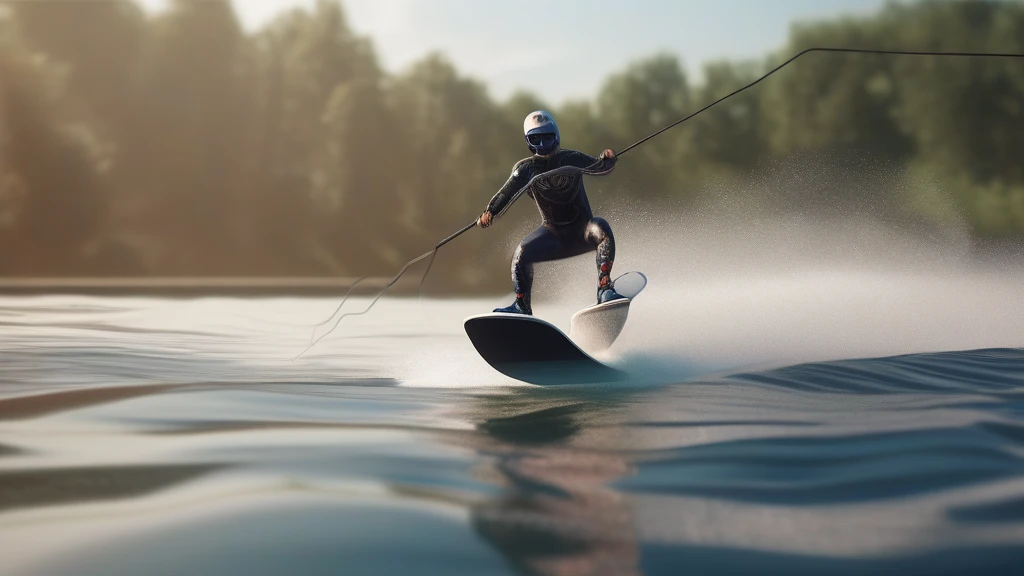
Wakeboarding is an exhilarating water sport that blends speed, agility, and creativity, offering riders the thrill of performing jumps, tricks, and smooth maneuvers while being towed behind a boat or a cable park system. Whether you are a beginner just stepping into the sport or an advanced rider fine-tuning your competitive edge, selecting the right wakeboard is crucial for maximizing your performance, safety, and enjoyment on the water.
This comprehensive buying guide will walk you through the essential features to consider when choosing a wakeboard, common pitfalls to avoid, and tips for matching your board to your skill level and wakeboarding style. Along the way, we’ll highlight key technical aspects such as materials, rocker profiles, fin configurations, and the growing importance of sustainability in wakeboard manufacturing.
Understanding Wakeboard Basics: What Makes a Wakeboard?
Wakeboards are specialized boards designed to be towed behind boats or cable parks. Unlike traditional surfboards or snowboards, wakeboards have unique construction and features tailored to water dynamics and towing speed. Key characteristics include:
- Materials: Lightweight yet strong composites like fiberglass, carbon fiber, and wood cores.
- Rocker Profiles: The curvature of the board’s base, which affects speed and maneuverability.
- Fins: Attached underneath to improve tracking and control in the water.
- Bindings: Integrated or adjustable foot straps that secure your feet safely.
- Safety Features: Reinforced edges, ergonomic bindings, and quick-release mechanisms.
- Certifications: Compliance with marine safety standards such as ISO, CE, or TÜV.
Key Features to Consider When Buying a Wakeboard
1. Wakeboard Size and Shape
Choosing the right size depends primarily on your weight, skill level, and riding style:
- Length: Generally, taller or heavier riders need longer boards for better stability and flotation. Beginners often benefit from longer boards for easier balance.
- Width: Wider boards provide more surface area, enhancing stability but potentially reducing agility.
- Tip and Tail Shape: Progressive or rounded tips offer smoother landings and forgiving ride qualities, suited for beginners and freestyle riders.
Example: A beginner weighing 150 lbs might start with a 138-142 cm board with a wider outline and rounded tips to boost confidence and control.
2. Rocker Profiles: How the Board Curves Impact Performance
The rocker is the curve from tip to tail on the bottom of the board. Different rocker shapes influence speed, pop, and smoothness:
- Continuous Rocker: A smooth, consistent curve that offers speed and smooth carving, ideal for beginners and intermediate riders.
- 3-Stage Rocker: Features a flat middle section with abrupt tips, providing more pop off the wake but less speed; preferred by freestyle and advanced riders.
- Hybrid Rocker: A blend of continuous and 3-stage, balancing speed and pop, suited for all-around riding.
- High Rocker: Pronounced curve for aggressive turns and big air, tailored for competitive riders.
Choosing the right rocker depends on your focus—whether it’s cruising, tricks, or competition-level jumps.
3. Fin Setups: Steering Your Ride
Fins stabilize the board and influence turning and tracking:
- No-Fin Boards: Common in cable park wakeboarding, these boards have reinforced edges to allow sliding on rails and obstacles.
- Single Fin: Simple setup providing straightforward tracking, often found on beginner or cruiser boards.
- Twin or Quad Fin Systems: Multiple fins offer enhanced grip and control, essential for high-speed carving and aggressive maneuvers.
- Adjustable Fin Kits: Some boards come with removable or adjustable fins to customize feel depending on conditions or rider preference.
For example, a freestyle rider might choose a quad fin setup for sharp control, whereas a cable park rider would prefer a finless design.
4. Board Construction Materials: Balancing Weight, Durability, and Sustainability
Wakeboards’ performance and longevity rely heavily on the materials used:
- Fiberglass: The standard material offering a balance of strength, flexibility, and affordability.
- Carbon Fiber: Lightweight and extremely durable, carbon fiber boards are favored by advanced riders seeking top performance.
- Wood Cores: Provide natural flex and responsiveness. Wood cores paired with composite layers enhance ride quality.
- Composite Blends: Combining various fibers and resins to optimize stiffness and impact resistance.
Sustainability is becoming a vital factor, with many manufacturers adopting eco-friendly resins, recyclable materials, and biodegradable components to reduce environmental impact without compromising performance.
5. Bindings and Safety Features
Bindings secure your feet and influence comfort and control:
- Ergonomic Design: Molds to the foot for better support and reduced fatigue.
- Quick-Release Mechanisms: Allow rapid exit in case of falls or emergencies.
- Adjustability: Accommodate different foot sizes and preferences.
- Reinforced Edges and Protective Rails: Enhance durability and shield the board from chipping or cracking.
Look for boards that meet marine safety certifications (ISO, CE, TÜV) to ensure quality standards.
Common Mistakes to Avoid When Buying a Wakeboard
- Ignoring Skill Level: Advanced boards might be too aggressive and unstable for beginners, causing frustration or injury.
- Overlooking Rocker Type: The wrong rocker profile can limit your ride style or stunt execution.
- Choosing Boards Without Adjustable Fins: Lacking customization may restrict your ability to adapt the board to different water conditions.
- Neglecting Size Recommendations: Using a board that’s too small or large affects balance and control.
- Forgetting Maintenance and Warranty Checks: Boards without warranty or poor durability can lead to costly replacements.
How to Choose the Right Wakeboard for Your Needs
For Beginners
- Opt for longer, wider boards with continuous rockers.
- Choose fiberglass or composite boards for durability.
- Select single or twin fin setups for easy control.
- Prioritize comfort with adjustable, ergonomic bindings.
- Look for boards with reinforced edges and safety certifications.
For Intermediate Riders
- Experiment with hybrid rocker profiles for balanced performance.
- Try quad fin setups for improved control during tricks.
- Consider wood core boards for better flex and responsiveness.
- Explore freestyle designs with progressive tips for trick versatility.
For Advanced and Competitive Riders
- Choose carbon fiber or advanced composite boards for lightweight strength.
- Use 3-stage or high rocker boards to maximize pop and maneuverability.
- Utilize adjustable fin kits to fine-tune your ride.
- Look for competition-grade safety features and warranties.
Additional Considerations: Travel, Storage, and Maintenance
- Portability: Lightweight boards with included carry bags ease transport.
- Storage: Keep boards in cool, dry places away from direct sunlight to prevent warping.
- Maintenance: Rinse boards with fresh water after use, inspect for damage, and regularly check bindings and fins.
- Warranty: Choose boards with clear warranty coverage to protect your investment.
The Rise of Eco-Friendly Wakeboards
Sustainability is reshaping wakeboard manufacturing. Many brands now use:
- Recyclable materials and resins.
- Biodegradable cores and eco-conscious production techniques.
- Reduced carbon footprint through efficient factory processes.
Choosing an eco-friendly wakeboard supports environmental stewardship without sacrificing quality or performance.
Conclusion
Selecting the right wakeboard involves a nuanced understanding of your skill level, riding style, and the technical features that influence performance on the water. By considering factors such as size, rocker profile, fin configuration, materials, and safety features, you can find a wakeboard that enhances your confidence and progression in this dynamic sport.
Whether you are starting out with a stable, forgiving board or advancing to a high-performance carbon fiber setup, this guide equips you with the knowledge to make informed decisions, avoid common mistakes, and enjoy every ride with safety and style.
Happy wakeboarding!