
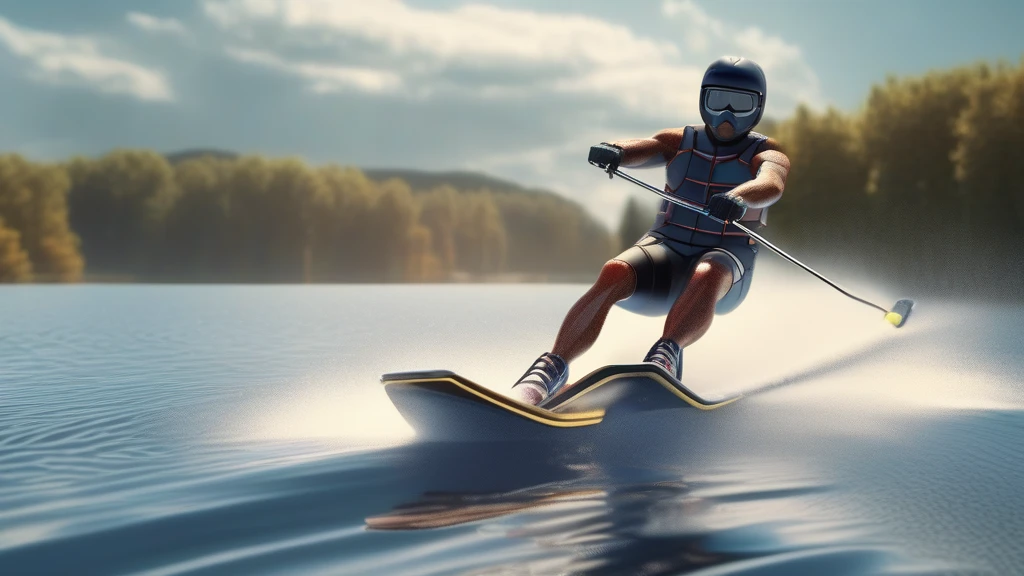
Water skiing is an exhilarating and dynamic water sport that combines skill, balance, and speed. Whether you are a beginner eager to learn, a recreational enthusiast seeking fun on the lake, or an advanced athlete pushing the limits with freestyle tricks or competitive slalom racing, choosing the right water skis is fundamental to your experience. This comprehensive buying guide covers everything you need to know about water skis—from key features and materials to common mistakes and expert tips—so you can confidently select the perfect pair for your needs.
Understanding Different Types of Water Skis
Water skis come in various specialized types tailored to different skill levels, styles, and water activities. Understanding these categories will help you match the ski to your goals and abilities.
1. Beginner Recreational Skis
- Design Focus: Stability and ease of use
- Typical Features: Wider and longer skis to provide a larger surface area, making it easier to balance and get up on the water.
- Materials: Often constructed with durable fiberglass and polyurethane cores for lightweight yet robust performance.
- Bindings: Adjustable and comfortable bindings to accommodate various foot sizes and provide ergonomic support.
These skis prioritize a smooth learning curve, helping novices gain confidence and improve technique without battling instability.
2. Freestyle Skis
- Design Focus: Tricks, jumps, and advanced maneuvers
- Typical Features: Shorter length and twin-tip design allow for quick turns and landings in either direction.
- Materials: Use of carbon fiber and Kevlar reinforcements for lightweight durability, impact resistance, and flexibility.
- Adjustable Fins: Detachable fins enable customization for control during spins and flips.
Freestyle skis cater to athletes who want to push their skills with aerial tricks and creative moves.
3. Show Skis
- Design Focus: Team performances and entertainment
- Typical Features: Usually feature a wider platform for enhanced stability during complex stunts and synchronized routines.
- Materials: Advanced composites like fiberglass with polyurethane cores for durability and moderate weight.
- Bindings and Boots: Ergonomic and quick-release designs for safety during high-energy performances.
These skis are purpose-built for coordinated show skiing teams requiring both stability and agility.
4. Speed and Slalom Skis
- Design Focus: Racing, agility, and precision control
- Typical Features: Narrow and longer skis optimized for cutting tight turns and maintaining high speeds.
- Materials: High-tech carbon fiber and aluminum reinforcements to reduce weight while maximizing stiffness and responsiveness.
- Fins: Specialized fin setups that enhance grip and maneuverability on the water.
Ideal for advanced and competitive skiers focused on speed and sharp, controlled movements.
Key Materials and Technologies in Water Skis
The construction materials and technologies used in water skis significantly impact performance, durability, and user experience.
Carbon Fiber and Kevlar
These advanced fibers provide exceptional strength-to-weight ratios. Carbon fiber enhances stiffness and responsiveness, crucial for high-speed slalom and freestyle skis. Kevlar adds impact resistance, protecting skis from strikes against water or obstacles.
Fiberglass Composites
Fiberglass is a standard material offering a balance of flexibility and durability. It is commonly used in beginner and recreational skis due to its affordability and reliable performance.
Polyurethane Cores
Lightweight and shock-absorbent, polyurethane cores contribute to the ski’s buoyancy and help dampen vibrations, improving comfort during prolonged use.
Aluminum Reinforcements
Aluminum components, often integrated into the ski’s frame or binding mounts, increase structural integrity without adding excessive weight.
Eco-Friendly Manufacturing
Increasingly, manufacturers incorporate sustainable practices, such as using recycled materials or environmentally safe resins, to minimize ecological impact.
How to Choose the Right Water Skis
Selecting the right water skis is a combination of understanding your skill level, intended use, and the specific water conditions you’ll encounter.
Assess Your Skill Level
- Beginner: Look for wider, longer skis with stable designs and comfortable bindings.
- Intermediate/Recreational: Consider skis that balance stability and maneuverability, such as recreational models with adjustable fins.
- Advanced/Competitive: Choose specialized skis like slalom or freestyle models with high-tech materials and customizable features.
Consider Your Water Environment
- Calm Lakes: Most skis perform well, but stability can be prioritized.
- Choppy or Open Water: Skis with enhanced durability, reinforced edges, and adjustable fins provide better control.
- Show or Team Settings: Wider platforms and ergonomic bindings enhance safety and coordination.
Binding and Boot Features
- Adjustability: Look for bindings that accommodate foot size changes and provide a snug fit.
- Quick-Release Mechanisms: Essential for safety to allow fast detachment in emergencies.
- Ergonomic Design: Reduces fatigue and enhances comfort during long sessions.
Portability and Maintenance
- Weight and Size: Lightweight and compact skis are easier to transport and handle.
- Foldable Designs: Some models fold or disassemble for convenient storage.
- Included Accessories: Carry bags, repair kits, and protective covers extend ski lifespan and simplify maintenance.
Common Mistakes to Avoid When Buying Water Skis
Overlooking Skill-Specific Needs
Buying skis that are too advanced or too basic can hinder progress and enjoyment. Match your skis to your current abilities and goals.
Ignoring Safety Certifications
Ensure your skis and bindings comply with recognized safety standards such as ISO, CE, TÜV, or Marine Safety certifications. These standards confirm rigorous testing for performance and user protection.
Neglecting Binding Fit and Comfort
Poorly fitting bindings can cause discomfort, reduce control, and increase injury risk. Always try bindings or check sizing guides before purchasing.
Skipping Maintenance Planning
Failing to maintain skis can lead to damage and performance loss. Regular inspection, cleaning, and repairs are crucial for longevity.
Maintenance Tips to Prolong Your Water Skis’ Lifespan
- Rinse After Use: Always wash skis with fresh water to remove salt, sand, and debris.
- Inspect for Damage: Check for cracks, loose bindings, or worn fins regularly.
- Store Properly: Keep skis in a cool, dry place away from direct sunlight to prevent material degradation.
- Use Protective Covers: Prevent scratches and impacts during transport and storage.
- Follow Manufacturer Guidelines: Adhere to recommended repair and servicing schedules.
Safety Best Practices and Certifications
Water skiing is a thrilling sport but requires attention to safety. Certified equipment ensures:
- Reliable Quick-Release Bindings: Prevent entanglement during falls.
- Non-Slip Surfaces: Enhance foot grip and reduce slipping risk.
- Smooth Edges and Ergonomic Shapes: Minimize injury from sharp components.
- Durable Construction: Avoid equipment failure in demanding conditions.
Always wear a Coast Guard-approved life jacket and remain aware of your surroundings on the water.
Final Thoughts
Choosing the right water skis is essential to maximizing your enjoyment, safety, and performance on the water. By understanding the different types of skis, recognizing the importance of advanced materials and construction, and paying attention to fit, safety features, and maintenance, you will be well-equipped to find the ideal skis for your style and skill level.
Whether you seek recreational fun, competitive racing, or spectacular freestyle tricks, the water skiing category offers a diverse range of innovative, eco-conscious, and precision-engineered products designed to elevate your water sports experience for years to come.