
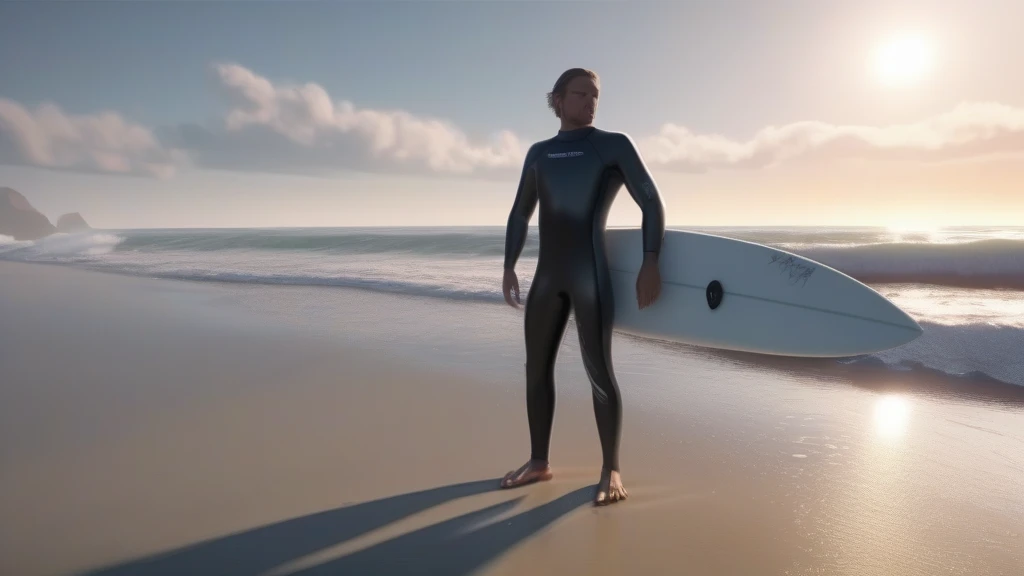
Whether you're surfing the waves, paddleboarding on a calm lake, diving into the depths, or training for a triathlon, choosing the right wetsuit is essential for comfort, safety, and performance. Today’s wetsuits are sophisticated pieces of gear, blending advanced materials, ergonomic design, and sustainability to meet the diverse needs of water sports enthusiasts. This comprehensive guide walks you through everything you need to know before making your purchase—from key features and material innovations to activity-specific recommendations and maintenance tips.
Understanding Wetsuit Basics: What Makes a Great Wetsuit?
Before diving into specific features, it helps to understand the core purpose of a wetsuit: thermal insulation. Wetsuits trap a thin layer of water between your body and the suit, which your body heats to keep you warm in cold water. Modern wetsuits also offer UV protection, abrasion resistance, and buoyancy support, all while allowing freedom of movement.
Key Characteristics of Modern Wetsuits
-
Material: Most wetsuits today are made from neoprene, a synthetic rubber known for flexibility and insulation. Increasingly, manufacturers are using eco-friendly neoprene types such as limestone-based neoprene, recyclable neoprene, and biodegradable coatings that reduce environmental impact without compromising performance.
-
Thickness: Wetsuit thickness typically ranges from 2mm to 7mm. Thinner suits (2-3mm) are ideal for warmer waters or high-intensity activities where mobility is key, while thicker suits (5-7mm) provide critical insulation in colder environments.
-
Seams: Reinforced seams, often blindstitched or taped, prevent water ingress and improve durability. Blindstitching is a technique where the needle doesn’t fully penetrate the neoprene, minimizing leaks, while taped seams add an extra waterproof barrier.
-
Paneling and Fit: Ergonomic paneling tailored to body contours enhances flexibility and comfort. Many wetsuits offer gender-specific cuts and activity-specific designs, such as sleeveless models for paddlers or shorty suits for summer surfing.
-
Additional Features: UV resistance, windproof and waterproof panels, quick-dry and abrasion-resistant fabrics, high-visibility color panels, anti-slip surfaces for footwear, and emergency whistle attachments are common enhancements designed for safety and convenience.
How to Choose the Right Wetsuit: Factors to Consider
1. Water Temperature
Your wetsuit thickness and style should correspond directly to the temperature of the water:
-
Warm Water (Above 70°F / 21°C): Shorty wetsuits (with short sleeves and legs) or 2mm full suits offer sun protection and light insulation without overheating.
-
Mild Water (60°F - 70°F / 16°C - 21°C): A 3mm to 4mm full wetsuit is ideal, balancing warmth and flexibility.
-
Cold Water (Below 60°F / 16°C): Thick wetsuits (5mm to 7mm) with reinforced chest and back panels provide necessary insulation. Consider suits with windproof and waterproof chest panels to block cold wind.
2. Activity Type
Different water sports have unique movement demands and environmental conditions:
-
Surfing: Requires highly flexible neoprene with multi-directional stretch fabrics and ergonomic paneling for unrestricted paddling and popping up. Suits with abrasion-resistant knee pads and quick-dry linings add durability and comfort.
-
Paddleboarding & Swimming: Sleeveless or short-sleeve wetsuits maximize arm mobility. Lightweight, quick-dry materials help prevent overheating during extended aerobic sessions.
-
Diving: Often requires thicker wetsuits with reinforced seams and thermal insulation. Features like adjustable neck seals and wrist cuffs prevent water flushing.
-
Triathlon Training: Wetsuits tailored for triathlons combine buoyancy, hydrodynamic paneling, and easy removal features like zipper pulls or quick-release systems.
-
Kayaking & Canoeing: Wetsuits with windproof and waterproof panels protect against splashes and wind chill. High-visibility panels increase safety on open water.
3. User Experience Level
-
Beginners: Look for suits with forgiving fits and durable materials. Easy entry designs like back-zip or chest-zip closures help newcomers put on and take off the suit.
-
Experienced Users & Professionals: May prefer custom fits with advanced thermal regulation, minimal seams, and specialized materials for maximum performance.
Material Technologies: Eco-Friendly Innovations in Wetsuits
Sustainability is a growing priority in the wetsuit industry. Traditional neoprene production has a heavy environmental footprint, but new material technologies are changing the landscape:
-
Limestone Neoprene: Derived from natural limestone, this neoprene reduces reliance on petroleum-based inputs and lowers carbon emissions during manufacturing.
-
Recyclable Neoprene: Some manufacturers design suits that can be easily recycled at the end of their life cycle, reducing landfill waste.
-
Biodegradable Coatings: Special coatings on wetsuit fabrics break down naturally over time, minimizing microplastic pollution.
-
Low Carbon Manufacturing: Many brands are adopting cleaner energy sources and water-saving processes to reduce their ecological impact.
Choosing a wetsuit made from these materials supports environmental responsibility without sacrificing durability, stretch, or insulation.
Common Mistakes to Avoid When Buying a Wetsuit
-
Ignoring Proper Fit: A wetsuit must fit snugly to trap warm water but not restrict movement or breathing. Avoid suits that are too loose (leading to water flushing) or too tight (causing discomfort or restricted circulation).
-
Selecting Thickness Based Solely on Season: Consider not only air temperature but water temperature, wind conditions, and your activity level.
-
Overlooking Seam Quality: Cheaply constructed seams can leak and reduce warmth. Invest in wetsuits with blindstitched or taped seams for better waterproofing.
-
Neglecting Activity-Specific Features: A triathlon wetsuit may feel restrictive for surfing; a surf wetsuit may lack insulation for diving. Match the wetsuit to your primary use.
-
Forgetting Maintenance Needs: Some materials require specific care to maintain elasticity and water repellency. Read manufacturer care instructions carefully.
Wetsuit Care and Maintenance Tips
Proper care extends the life and performance of your wetsuit:
-
Rinse After Use: Freshwater rinse removes salt, sand, and chlorine that degrade neoprene.
-
Dry Inside Out and Shade Dry: Prolongs neoprene life by preventing UV damage and mold growth.
-
Store Flat or Hanging: Avoid creases or folds that can cause permanent damage.
-
Use Repair Kits: Many wetsuits come with repair patches; fixing small tears immediately prevents bigger damage.
-
Avoid Heat Sources: Never use dryers or leave wetsuits on radiators as heat breaks down neoprene fibers.
Safety Features to Look For
Safety while on the water is paramount. Consider wetsuits with:
-
High-Visibility Panels: Bright colors or reflective strips improve visibility to boats and other watercraft.
-
Anti-Slip Surfaces: Especially on feet or knees, to prevent slipping on wet surfaces or boards.
-
Emergency Whistle Attachments: An integrated or attachable whistle can be lifesaving in distress situations.
Summary: Making an Informed Wetsuit Choice
Choosing the right wetsuit involves balancing water temperature, activity-specific needs, personal comfort, and environmental considerations. Look for suits made from eco-friendly materials like limestone neoprene with reinforced, blindstitched seams and ergonomic paneling tailored to your sport and gender. Avoid common pitfalls by prioritizing fit, quality, and features that enhance safety and ease of use. And remember, proper care will keep your wetsuit performing well season after season.
With this knowledge in hand, you’re well-equipped to select a wetsuit that keeps you warm, agile, and protected—allowing you to fully enjoy every minute on the water.