
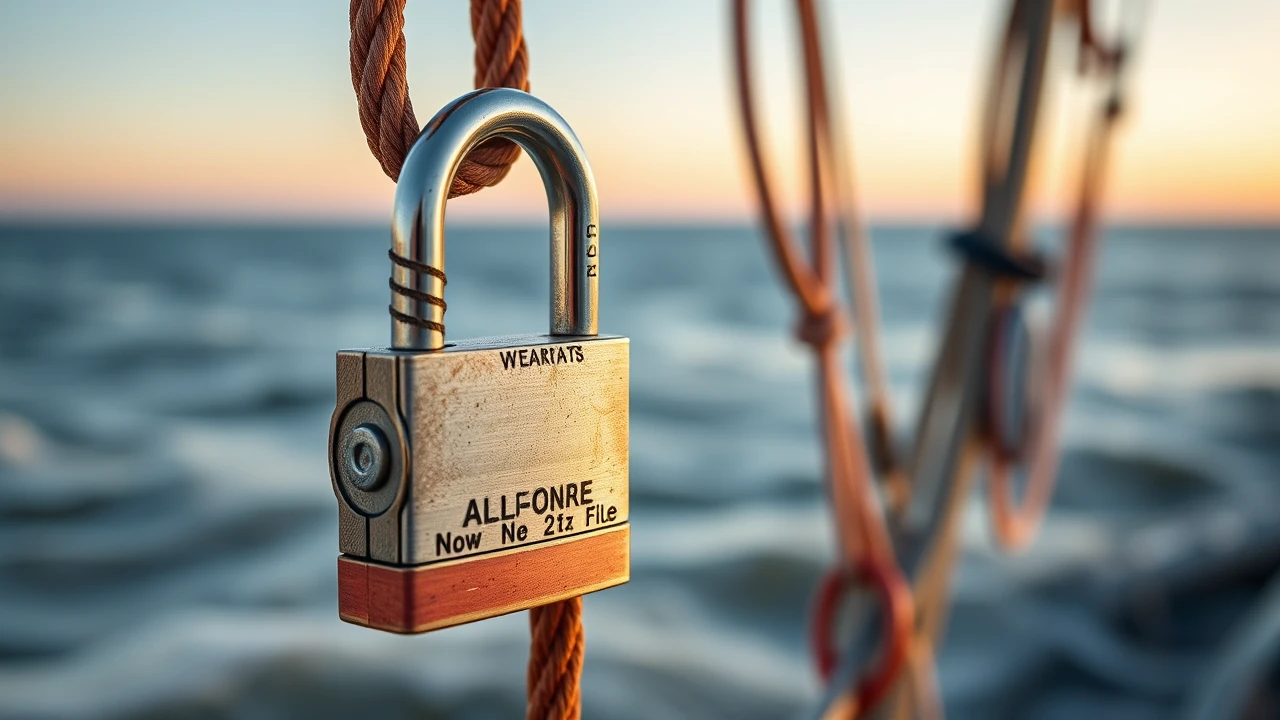
When it comes to protecting surfboards, wetsuits, and other valuable outdoor gear at the beach or near the water, standard locks often fall short. The harsh marine environment—with its mix of saltwater, sand, wind, and UV exposure—can quickly degrade ordinary locks, leaving your belongings vulnerable. This is where marine-grade locks come in. Designed specifically to withstand the challenging conditions of coastal and outdoor settings, these locks combine advanced materials and engineering to deliver reliable, long-lasting security.
In this article, we’ll explore the science behind marine-grade locks, explaining what makes them weatherproof and why they’re essential for surfers, beachgoers, and outdoor enthusiasts alike. Whether you’re choosing between keyed or combination locks or simply want to understand how these devices resist corrosion and wear, this guide will provide practical insights to help you make informed decisions.
Understanding the Challenges of the Marine Environment
Saltwater Corrosion and Its Effects
Saltwater is notoriously corrosive to metals. When ordinary metal surfaces come into contact with saltwater, electrochemical reactions accelerate rust and deterioration. This corrosion not only weakens the structural integrity of locks but can also cause mechanisms to seize up, rendering the lock unusable.
Sand and Debris Infiltration
Beaches and coastal areas are rife with fine sand particles and grit. These can infiltrate the lock’s internal components, causing abrasion and jamming. Locks not designed with protective seals or tight tolerances can quickly become clogged, compromising security and ease of use.
UV Exposure and Temperature Fluctuations
Prolonged exposure to sunlight and fluctuating temperatures can degrade plastic and rubber components, fade markings, and cause materials to become brittle over time. Marine-grade locks must resist UV damage to maintain durability and functionality.
Key Features That Make Marine-Grade Locks Weatherproof
Corrosion-Resistant Materials
At the heart of any marine-grade lock is the use of corrosion-resistant materials. Popular choices include:
- Stainless Steel: Particularly grades 316 or 304 stainless steel, which offer excellent resistance to rust and pitting caused by saltwater.
- Brass and Bronze: Naturally corrosion-resistant metals often used for internal lock components.
- Marine-Grade Aluminum: Lightweight yet resistant to corrosion, aluminum alloys are sometimes used for lock bodies or shackle components.
- Protective Coatings: Many locks feature special coatings such as powder coatings, anodized finishes, or polymer overlays that add an extra barrier against moisture and abrasion.
These materials collectively ensure the lock’s body and shackle maintain strength and appearance despite harsh conditions.
Sealed and Enclosed Mechanisms
To combat sand and water intrusion, marine-grade locks often incorporate sealed or enclosed locking mechanisms. Features include:
- Rubber Gaskets or O-Rings: These create tight seals around keyholes or combination dials to prevent water and grit from entering.
- Covered Keyways: Sliding covers or caps protect the keyhole when not in use.
- Encapsulated Dials: Combination locks may have dials enclosed within a water-resistant housing to keep internal components dry.
By minimizing exposure to contaminants, these design elements help maintain smooth operation and reduce maintenance needs.
Heavy-Duty Construction and Impact Resistance
Marine environments are unpredictable, and locks may be subjected to knocks, drops, or pressure from equipment and weather. Marine-grade locks are built with thicker shackles, reinforced bodies, and robust internal mechanisms to resist cutting, prying, and impact. This ensures they not only withstand environmental stress but also deter theft.
User-Friendly Locking Mechanisms
Despite their rugged construction, marine-grade locks prioritize ease of use to suit active lifestyles:
- Resettable Combination Dials: Users can change the code as needed without tools, adding convenience and security.
- Smooth Keyed Systems: High-quality key locks feature precision-cut keys and lock cylinders designed to resist jamming from debris.
- Lightweight Designs: Materials and construction methods balance robustness with portability, making locks easy to carry and handle during surf sessions or outdoor adventures.
Choosing Between Keyed and Combination Marine Locks
Advantages of Keyed Locks
- Simplicity: Keys provide a straightforward unlocking method without memorizing codes.
- Durability: High-quality key locks often have fewer moving parts exposed to the elements.
- Shared Access: Multiple keys can be distributed if several people need access.
Advantages of Combination Locks
- Keyless Convenience: No need to carry a key, which can be lost or dropped in the water.
- Resettable Codes: Users can change combinations frequently for enhanced security.
- Quick Access: Combination dials can be opened swiftly, which is useful when hands are wet or sandy.
Both locking mechanisms, when designed for marine use, incorporate weatherproofing features to ensure reliability.
Practical Tips for Securing Your Surf Gear with Marine Locks
- Select the Right Size: Choose a lock with a shackle diameter and length that fits your gear and locking points securely.
- Regular Cleaning: Rinse locks with fresh water after exposure to saltwater to remove residues.
- Lubricate Periodically: Use marine-grade lubricants on keyholes and shackles to maintain smooth operation.
- Store Spare Keys Safely: If using keyed locks, keep duplicates in waterproof containers or on your person.
- Combine with Other Security Measures: Use locks alongside cable chains or storage lockers for layered protection.
Maintenance and Longevity of Marine-Grade Locks
Even the best marine locks benefit from proper care. Regular inspection for signs of corrosion, checking seals, and cleaning out debris can extend lock life. If a lock shows persistent stiffness or rust, it’s time for replacement to avoid equipment risk.
Conclusion
Marine-grade locks are engineered solutions that combine corrosion-resistant materials, sealed mechanisms, heavy-duty construction, and user-friendly designs to provide reliable security in some of the harshest environments. For surfers, beachgoers, and outdoor adventurers, understanding the science behind these locks empowers smarter choices when protecting valuable gear from theft and weather damage.
Choosing the right marine-grade lock means balancing durability, convenience, and security tailored to your specific needs. With proper selection and maintenance, these locks offer peace of mind and long-lasting performance, helping you focus on enjoying the waves and the outdoors without worry.