
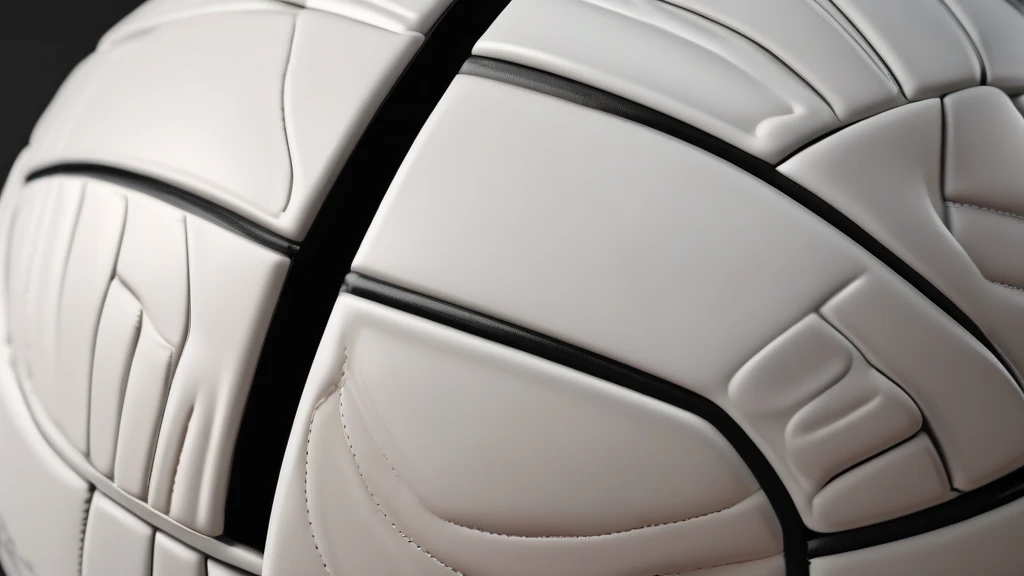
Volleyball is a dynamic sport demanding precision, control, and durability from every piece of equipment—especially the ball. Whether you’re a professional athlete, coach, or recreational player, understanding the materials that compose volleyballs can greatly impact your game experience. Two of the most prevalent materials in high-performance volleyballs are composite leather and synthetic leather. This article explores the science behind these materials, explaining why they matter, how they affect play, and what to consider when selecting the right volleyball for your needs.
Understanding Volleyball Materials: Composite vs. Synthetic Leather
What Is Composite Leather?
Composite leather is a man-made material blending natural leather fibers with synthetic components, creating a durable, flexible, and often softer surface. It mimics many of the tactile qualities of genuine leather while improving consistency and performance characteristics. In volleyballs, composite leather panels are engineered to provide excellent grip, feel, and resilience without the maintenance challenges of real leather.
What Is Synthetic Leather?
Synthetic leather, also known as PU (polyurethane) leather or microfiber leather, is a fully artificial material designed to replicate the look and feel of leather but is manufactured from plastic polymers and textiles. It is generally lighter, more water-resistant, and easier to clean than composite leather. Synthetic leather volleyballs are designed for durability and moisture resistance, making them popular for beach and outdoor play.
Why Material Choice Matters in Volleyballs
Grip and Control
The surface texture and material composition directly affect how players grip and control the ball. Composite leather tends to offer a softer, more natural feel, providing enhanced tactile feedback and better ball handling. This can be crucial during fast-paced plays requiring precision finger control.
Synthetic leather, on the other hand, often features textured or anti-slip coatings that improve grip, especially in wet or humid conditions. This makes synthetic leather volleyballs ideal for beach volleyball or outdoor environments where moisture is a factor.
Durability and Longevity
Volleyballs undergo rigorous use, from powerful spikes to constant impacts on hard surfaces. Composite leather volleyballs are engineered for durability with reinforced stitching and high-tension panels, resisting wear and tear while maintaining surface integrity.
Synthetic leather excels in weather resistance. Its waterproof and UV-resistant properties prevent material degradation caused by sun exposure, sand, and water—common challenges in outdoor and beach volleyball. This durability ensures the ball maintains consistent performance over time.
Weight and Responsiveness
Material density impacts ball weight and bounce characteristics. Composite leather volleyballs often strike a balance between weight and softness, contributing to optimal responsiveness and consistent flight trajectories. These balls typically meet official size and weight regulations set by governing bodies like FIVB and NCAA.
Synthetic leather volleyballs may be slightly lighter and stiffer, which can influence how the ball reacts to serves and hits. However, manufacturers often tailor synthetic volleyballs with adjustable pressure bladders to customize bounce and feel for different skill levels and uses, including training and recreational play.
Additional Material Features Enhancing Performance
High Air Retention Bladders
Both composite and synthetic leather volleyballs incorporate advanced bladders made from butyl or latex materials. Butyl bladders are prized for superior air retention, ensuring consistent pressure and bounce throughout a match or practice. Latex bladders often provide a softer feel and more lively bounce but may require more frequent inflation.
Reinforced Stitching and Panel Design
The way panels are stitched or bonded influences durability and aerodynamics. Volleyballs with high-tension panels and reinforced stitching resist deformation and tearing, maintaining shape and flight stability. Composite leather volleyballs frequently employ these techniques to enhance longevity.
Eco-Friendly Manufacturing
There is a growing emphasis on sustainability in volleyball manufacturing. Both composite and synthetic leather volleyballs increasingly use recyclable materials and non-toxic coatings, reducing environmental impact. Choosing volleyballs made with eco-conscious processes supports responsible sports equipment consumption.
Choosing the Right Volleyball Based on Material
For Indoor Competitive Play
Composite leather volleyballs are often preferred for indoor leagues and tournaments. Their soft touch, superior grip, and consistent responsiveness help athletes perform at their best. Look for balls certified by organizations such as FIVB or NCAA, which ensures compliance with official size, weight, and material standards.
For Beach and Outdoor Use
Synthetic leather volleyballs shine in outdoor environments. Their waterproof, UV-resistant features and textured surfaces maintain performance despite sand, moisture, and sun exposure. These balls are designed to withstand harsh conditions while providing reliable control and bounce.
For Training and Recreational Use
Training volleyballs may incorporate either composite or synthetic leather with features like adjustable pressure and lightweight designs. This allows players to customize ball responsiveness and reduce impact during extended practice sessions. For beginners or youth players, synthetic leather balls offer durability and easy maintenance.
Maintaining Your Volleyball: Tips for Longevity
Regardless of material, proper care extends the life of your volleyball:
- Inflation: Use a compatible pump and needle to maintain recommended pressure. Overinflation or underinflation affects bounce and durability.
- Cleaning: Wipe composite leather balls with a damp cloth and mild soap. Synthetic leather volleyballs can be rinsed with water but avoid harsh chemicals.
- Storage: Store volleyballs in cool, dry places away from direct sunlight to prevent material degradation.
- Repairs: Promptly address any stitching damage or bladder leaks with repair kits to avoid worsening issues.
Conclusion
The choice between composite and synthetic leather volleyballs goes beyond aesthetics; it directly influences grip, durability, responsiveness, and suitability for different environments. Composite leather offers a soft, natural feel ideal for competitive indoor play, while synthetic leather provides the resilience needed for outdoor and beach volleyball. Understanding these material differences empowers players, coaches, and enthusiasts to select volleyballs that enhance performance and enjoyment on the court. Coupled with proper maintenance and awareness of certification standards, choosing the right material is a key step toward elevating your volleyball experience.