
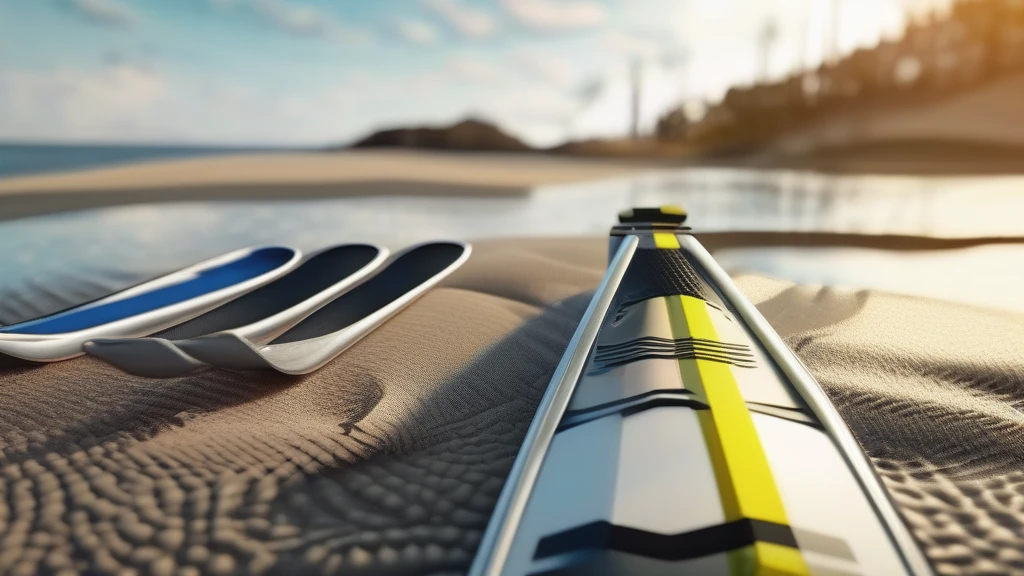
Water skiing is a thrilling water sport that combines skill, balance, and precision. Whether you are a beginner gliding across calm waters or a seasoned competitor executing high-speed slalom runs or freestyle tricks, the quality and construction of your water skis play a pivotal role in your performance and safety. At the heart of modern water ski design lies a careful selection of advanced materials—most notably carbon fiber, Kevlar, and fiberglass. Understanding how these materials influence durability, weight, flexibility, and responsiveness can empower you to choose the right ski tailored to your needs.
In this article, we delve into the science behind these key materials and explore how they enhance water skiing performance and longevity.
Understanding the Material Basics in Water Ski Construction
Before examining each material individually, it’s important to grasp why material choice is critical in water ski manufacturing:
- Weight affects maneuverability and ease of use. A lighter ski is easier to control and reduces fatigue.
- Flexibility and stiffness determine the ski’s responsiveness and ability to absorb water impact.
- Durability ensures the ski withstands harsh water conditions, impacts, and environmental factors such as UV exposure and saltwater corrosion.
- Environmental considerations are increasingly vital as manufacturers adopt sustainable processes and eco-friendly materials.
Water skis typically combine multiple materials, each contributing specific mechanical properties to the overall design.
Carbon Fiber: The Lightweight Powerhouse
What is Carbon Fiber?
Carbon fiber is a composite material composed of thin strands of carbon atoms tightly woven and bonded with resin. It is renowned for being incredibly strong yet lightweight.
Performance Benefits
- Exceptional Strength-to-Weight Ratio: Carbon fiber water skis are significantly lighter than traditional materials but maintain superior tensile strength. This reduces drag in water, enabling faster acceleration and sharper turns.
- Enhanced Responsiveness: The stiffness of carbon fiber provides precise control, allowing competitive skiers to execute quick maneuvers with minimal energy loss.
- Vibration Dampening: Carbon fiber’s natural vibration absorption creates a smoother ride over choppy water, improving comfort and reducing fatigue.
Durability Aspects
While carbon fiber is resistant to many forms of wear, it can be susceptible to damage from sharp impacts or bending beyond its limits. However, when reinforced properly, carbon fiber skis offer excellent longevity and maintain performance over time.
Environmental Notes
Modern carbon fiber manufacturing has made strides in reducing waste and energy consumption, and some manufacturers incorporate recycled carbon fibers. Choosing skis with eco-conscious production practices contributes to sustainability.
Kevlar: The High-Impact Shield
What is Kevlar?
Kevlar is a synthetic fiber known for its outstanding toughness and impact resistance. It is famously used in bulletproof vests and protective gear.
Performance Benefits
- Impact Resistance: Kevlar layers integrated into water skis protect against collisions with debris, rocks, or rough handling during tricks and landings, making them ideal for freestyle and show skiing.
- Flexural Strength: Kevlar adds resilience to the ski’s structure, preventing cracks and breaks under extreme pressure.
- Weight Management: Although slightly heavier than carbon fiber, Kevlar maintains a good balance between strength and lightness, ensuring skis remain agile.
Durability Aspects
Kevlar’s resistance to abrasion and puncture extends the life of skis in demanding conditions. It also resists degradation from UV exposure and moisture, crucial for water sports equipment.
Environmental Notes
Kevlar production involves synthetic processes that are energy-intensive, but ongoing research aims to improve sustainability. Some manufacturers blend Kevlar with bio-based resins to lessen environmental impact.
Fiberglass: The Versatile Classic
What is Fiberglass?
Fiberglass consists of fine glass fibers woven into a fabric and bonded with resin. It has been a staple in water ski manufacturing for decades.
Performance Benefits
- Balanced Flexibility and Stiffness: Fiberglass provides a moderate level of flex, offering a forgiving yet responsive feel, which is perfect for beginner to intermediate skiers.
- Cost-Effective Durability: Fiberglass skis tend to be more affordable while delivering reliable performance and decent lifespan.
- Smooth Water Interaction: The material’s natural flex absorbs bumps and waves, enhancing stability and control.
Durability Aspects
Fiberglass is resistant to corrosion and water damage but can be prone to chipping or cracking under hard impacts. Careful maintenance and protective coatings extend its usability.
Environmental Notes
Glass fiber production is less energy-intensive compared to carbon fiber and Kevlar. Many manufacturers now use bio-based or recyclable resins with fiberglass to improve sustainability profiles.
How These Materials Work Together: Composite Construction
Most high-quality water skis combine carbon fiber, Kevlar, and fiberglass in layered composite structures to optimize performance characteristics:
- Carbon fiber layers provide stiffness and lightness for speed and precision.
- Kevlar layers reinforce impact zones and improve toughness.
- Fiberglass sheets add flexibility and shock absorption.
This hybrid approach allows skis to excel across different categories—from stable beginner skis to nimble freestyle boards and durable show skis.
Choosing the Right Material for Your Water Skiing Style
Beginners and Recreational Skiers
If you are new to water skiing or prefer leisurely rides, skis with fiberglass construction provide a smooth, stable experience at a reasonable price point. The flexibility of fiberglass helps absorb water variations and reduces the chance of falls.
Freestyle and Show Skiers
For those performing tricks, jumps, or team routines, durability and impact resistance are paramount. Skis incorporating Kevlar reinforcements protect against frequent collisions and rough landings, ensuring safety and longevity.
Competitive and Advanced Skiers
Elite athletes benefit from skis with carbon fiber composites, which offer unmatched responsiveness, lightweight agility, and vibration control—essential for fast slalom runs and tight turns.
Maintenance Tips to Prolong Ski Life
- Rinse with fresh water after use to remove salt, sand, and debris.
- Inspect bindings, fins, and edges regularly for wear or damage.
- Store skis in a cool, dry place away from direct sunlight to prevent material degradation.
- Use protective covers and bags during transport to avoid scratches and impacts.
- Address minor scratches or cracks promptly with repair kits designed for composite materials.
Conclusion
The materials used in water ski construction—carbon fiber, Kevlar, and fiberglass—each bring unique advantages that directly impact your skiing performance, comfort, and equipment longevity. Understanding these materials helps you select skis that align with your skill level, skiing style, and environmental values. Whether you prioritize lightweight speed, durable toughness, or flexible stability, modern composite technologies have elevated water skiing gear to new heights, allowing enthusiasts to enjoy the sport safely and confidently.
By appreciating the science behind these material innovations, you can make informed decisions and fully embrace the exhilaration of water skiing on every outing.