
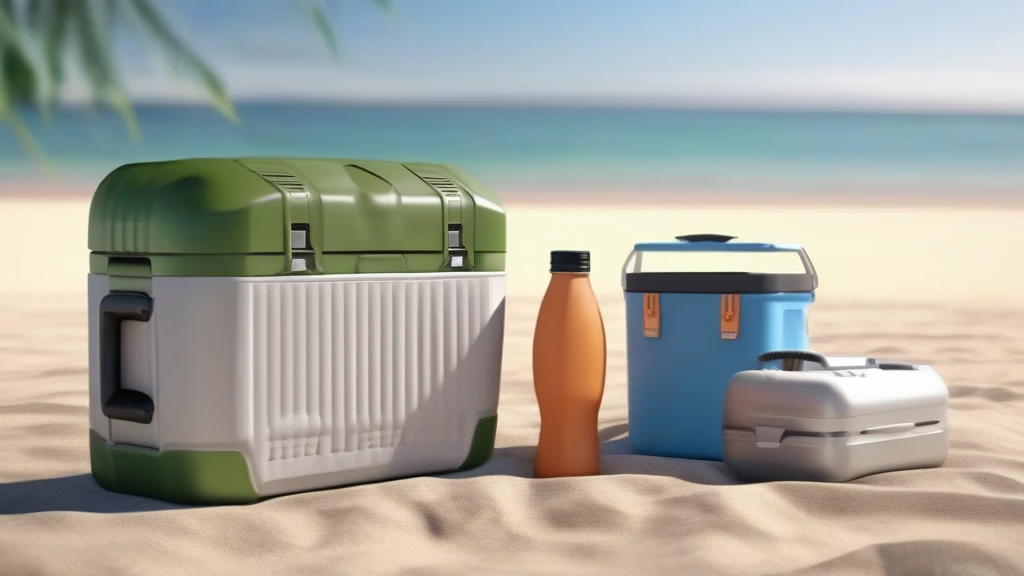
When planning outdoor adventures or social gatherings, keeping your food and beverages cold is essential for both comfort and safety. Coolers have long been the go-to solution for portable refrigeration, but as environmental awareness grows, many consumers are seeking eco-friendly coolers that balance performance with sustainability. This guide explores the materials, manufacturing practices, and benefits of eco-friendly coolers to help you make informed choices that support your outdoor lifestyle and the planet.
Understanding Cooler Types and Their Environmental Impact
Coolers come in various styles designed for different uses, capacities, and cooling technologies. Each type has unique implications for sustainability and user needs.
Hard-Shell Coolers
These are typically made from rotomolded polyethylene plastic, known for its durability and insulation capabilities. While rotomolded plastics are robust and often recyclable, the manufacturing process can be energy-intensive. Some brands are now incorporating recycled plastics or using BPA-free materials to reduce environmental impact. Hard-shell coolers offer excellent ice retention (often up to 72 hours) and withstand rough handling, making them ideal for multi-day camping or fishing trips.
Soft-Sided Coolers
Constructed from high-density polyester nylon or other fabric-based materials with EVA foam insulation, soft-sided coolers are lightweight and portable. Many utilize recycled fabrics and are designed to be recyclable or biodegradable. Their insulation typically keeps contents cold for 12 to 24 hours, suitable for day trips or picnics. Choosing soft coolers made with sustainably sourced or recycled textiles helps reduce plastic waste.
Electric Coolers
Electric coolers use thermoelectric or compressor technology to maintain temperature without ice. While convenient for road trips and tailgating, their environmental friendliness depends on energy consumption and battery efficiency. Selecting models with energy-saving modes or rechargeable batteries can minimize their carbon footprint.
Collapsible and Innovative Designs
Collapsible coolers save space and materials by reducing bulk when not in use. Many are made from recycled or biodegradable materials, promoting sustainability through longevity and versatility. These are excellent choices for casual outings or urban dwellers with limited storage.
Eco-Friendly Materials in Cooler Construction
Choosing a cooler made from sustainable materials is key to reducing environmental impact. Here are some commonly used eco-friendly components:
Recycled Plastics
Using recycled polyethylene or polypropylene reduces the demand for virgin plastic and diverts waste from landfills. Look for coolers specifying recycled content in their hard-shell construction or fabric components.
BPA-Free Liners and Insulation
BPA (Bisphenol A) is a chemical sometimes found in plastic liners and insulation materials. Eco-conscious coolers avoid BPA, opting for safer, food-grade materials that are less harmful during production and disposal.
Natural or Plant-Based Insulation
Some coolers use innovative insulation materials derived from plant-based sources or natural fibers, offering biodegradability and lower environmental impact compared to traditional foam insulators.
Recyclable and Biodegradable Fabrics
High-density polyester nylon made from recycled plastic bottles or biodegradable fabrics reduces microplastic pollution and overall waste.
Benefits of Choosing an Eco-Friendly Cooler
Beyond the obvious environmental advantages, eco-friendly coolers offer several practical benefits that enhance your outdoor experience.
Long-Term Durability and Reduced Waste
Sustainable coolers are often designed for rugged use and longevity, meaning fewer replacements and less waste over time. Durable materials withstand UV exposure, impacts, and weather conditions without degrading quickly.
Health and Safety
Eco-friendly materials, such as BPA-free liners and non-toxic insulation, minimize chemical exposure to your food and beverages, promoting safer consumption.
Efficient Ice Retention Saves Resources
Advanced insulation technologies used in many sustainable coolers reduce the need for excessive ice, conserving water and energy used in ice production.
Lightweight and Ergonomic Designs
Many eco-conscious coolers emphasize portability through ergonomic handles, backpack straps, and wheeled bases, making them easy to carry without relying on heavy materials.
Tips for Maximizing Ice Retention and Cooler Organization
To get the most out of your eco-friendly cooler, consider these practical tips:
- Pre-chill your cooler: Cooling the interior before packing reduces the energy needed to maintain low temperatures.
- Use block ice or reusable ice packs: Block ice melts slower than cubed ice, extending cooling time. Opt for reusable ice packs to minimize single-use plastic.
- Pack strategically: Place beverages and foods you’ll use last at the bottom to minimize lid opening and temperature fluctuations.
- Keep the cooler out of direct sunlight: Shade prolongs ice retention and protects materials from UV degradation.
- Utilize removable dividers and compartments: These help organize contents and reduce the time the lid stays open.
Maintenance and Cleaning for Longevity
Proper care extends the life of your cooler and maintains its eco-friendly properties.
- Rinse and dry after each use: Prevent mold and odors by thoroughly cleaning liners and fabrics with mild soap and water.
- Avoid harsh chemicals: Use eco-friendly cleaning products to protect materials and reduce chemical runoff.
- Store with the lid open: Allow airflow to prevent mildew and material breakdown.
- Inspect seals and liners regularly: Promptly address any damage to maintain insulation efficiency.
Selecting the Right Cooler for Your Needs and Values
When choosing an eco-friendly cooler, consider your typical activities, group size, and storage preferences:
- For solo day trips or beach outings: Soft-sided coolers with recycled fabrics and moderate insulation offer lightweight convenience.
- For family picnics or small group events: Mid-sized hard-shell coolers made from recycled plastics provide enhanced ice retention and durability.
- For extended camping or fishing excursions: Large rotomolded coolers with BPA-free liners and plant-based insulation deliver rugged performance.
- For road trips and tailgating: Electric coolers with energy-efficient features offer convenience while balancing eco-consciousness.
Conclusion
Eco-friendly coolers represent a thoughtful blend of performance, durability, and sustainability. By understanding the materials used, insulation technologies, and design features, you can select a cooler that meets your outdoor lifestyle needs while supporting environmental stewardship. With proper care and smart usage, these coolers not only keep your food and beverages perfectly chilled but also contribute to reducing plastic waste and conserving resources—helping you enjoy nature responsibly.