
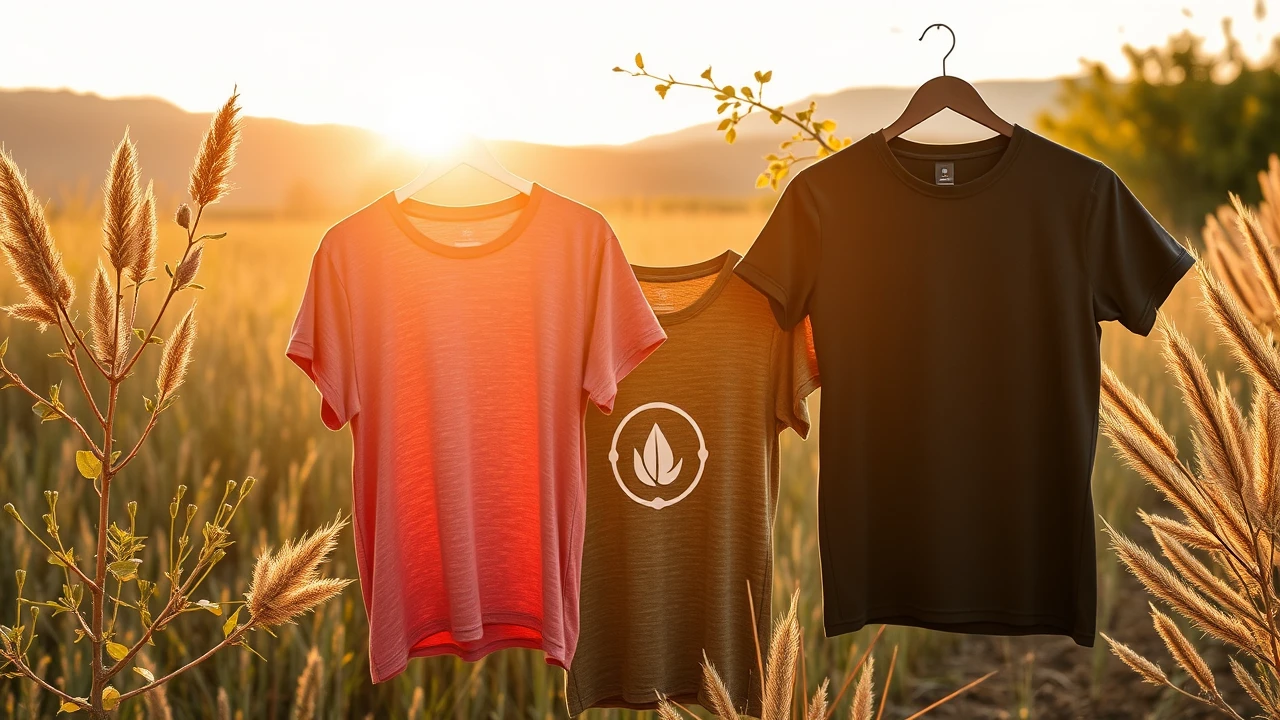
Activewear t-shirts have evolved far beyond simple workout basics. Today’s options blend performance, style, and sustainability to meet the needs of fitness enthusiasts, travelers, outdoor adventurers, and professionals alike. Central to this evolution is the rise of eco-friendly fabrics and certifications that assure consumers of the environmental and ethical integrity behind their apparel.
This guide explores the most popular eco-friendly fabrics used in activewear t-shirts and unpacks the meaning and value of key certifications. Understanding these details empowers you to choose activewear that not only supports your lifestyle but also promotes a healthier planet.
Why Eco-Friendly Fabrics Matter in Activewear
Activewear is uniquely positioned at the intersection of function and fashion, but it also carries a significant environmental footprint. Conventional fabric production can involve high water usage, pesticide-heavy farming, energy-intensive processes, and toxic chemical dyes. Eco-friendly fabrics aim to minimize these impacts through sustainable sourcing, lower resource consumption, and safer manufacturing methods.
For activewear t-shirts, eco-friendly fabrics offer additional benefits:
- Breathability and Comfort: Many sustainable fibers naturally regulate temperature and moisture.
- Durability: Responsible production often results in longer-lasting garments that reduce waste.
- Safety: Use of non-toxic dyes and finishes reduces skin irritation and environmental pollution.
- Ethical Manufacturing: Certifications often verify fair labor practices and reduced carbon footprints.
Popular Eco-Friendly Fabrics in Activewear T-Shirts
Organic Cotton
Organic cotton is grown without synthetic pesticides or fertilizers, making it gentler on the earth and on your skin. It’s highly breathable and soft, ideal for casual activewear and light workouts. While organic cotton may not always offer the same moisture-wicking properties as synthetics, many blends combine it with performance fibers for balanced comfort.
Bamboo
Bamboo fabric is prized for its natural antibacterial and moisture-wicking qualities. It’s lightweight, soft, and offers excellent breathability. Bamboo cultivation generally requires less water than cotton and grows rapidly without pesticides, making it a sustainable choice. However, the processing method (mechanical vs. chemical) affects its eco-friendliness, and certifications can clarify this.
Merino Wool
Merino wool is a natural fiber known for superior temperature regulation, odor resistance, and moisture management. It’s renewable and biodegradable, sourced from sheep raised with responsible land practices. While traditionally associated with colder weather, lightweight Merino blends are increasingly popular for activewear t-shirts used in variable climates.
Recycled Polyester and Synthetic Blends
Recycled polyester made from post-consumer plastic bottles or industrial waste reduces reliance on virgin petroleum-based materials. It retains the durability, stretch, and quick-drying features of conventional synthetics, making it a favorite in performance-focused activewear. Blends often incorporate spandex or elastane for flexibility and fit. Look for certifications that verify recycling claims and low-impact dyeing processes.
What Do Eco-Friendly Certifications Really Mean?
Understanding certifications helps you identify products that meet rigorous environmental and social standards, ensuring transparency and trustworthiness.
GOTS (Global Organic Textile Standard)
GOTS is widely regarded as the gold standard for organic textiles. It certifies the entire supply chain, including fiber sourcing, processing, and manufacturing. Key criteria include organic fiber content (minimum 70% for “organic” label), use of non-toxic dyes, water treatment, and fair labor conditions. GOTS-certified activewear guarantees a high level of ecological and social responsibility.
Oeko-Tex Standard 100
This certification focuses on chemical safety, testing textiles for harmful substances. Oeko-Tex ensures that fabrics do not contain allergens, carcinogens, or other toxins, making garments safer for sensitive skin. It is often paired with other sustainability certifications to confirm eco-friendliness beyond just chemical content.
ISO Standards
ISO (International Organization for Standardization) includes various standards related to environmental management (ISO 14001), energy use, and product safety. While not textile-specific, ISO certifications indicate a company’s commitment to reducing environmental impact through systematic processes.
ASTM Standards
ASTM International develops technical standards for a broad range of materials, including textiles. ASTM certifications related to performance (such as UV protection or moisture management) and sustainability practices provide additional assurance of product quality and ecological considerations.
How to Choose the Right Eco-Friendly Activewear T-Shirt
When shopping for sustainable activewear t-shirts, consider the following factors:
Activity and Performance Needs
- For high-intensity workouts, look for moisture-wicking, quick-drying fabrics like recycled polyester blends.
- For light activity or casual wear, organic cotton or bamboo offers softness and breathability.
- Outdoor adventures benefit from UV protection and odor-resistant fibers like Merino wool.
Fit and Comfort
- Athletic or slim fits enhance performance by reducing chafing and allowing freedom of movement.
- Relaxed or tunic styles provide versatility for travel and professional settings.
- Stretchable fabrics with spandex blends improve comfort during dynamic activities.
Certifications and Transparency
- Prioritize products with GOTS, Oeko-Tex, or verified recycled content certifications.
- Research brands’ environmental policies and manufacturing practices for added confidence.
Care and Longevity
- Eco-friendly garments often require gentle care to maintain fabric integrity.
- Machine-washable and wrinkle-resistant finishes simplify maintenance and extend wear life.
Caring for Your Eco-Friendly Activewear T-Shirts
Proper care maximizes the lifespan and performance of sustainable activewear:
- Wash in cold water with mild detergents to preserve fibers and reduce energy use.
- Avoid fabric softeners and bleach, which can degrade technical finishes.
- Air dry when possible to minimize heat damage and shrinkage.
- Follow specific care instructions for natural fibers like Merino wool or bamboo to prevent pilling and maintain softness.
The Future of Sustainable Activewear Fabrics
Innovations continue to emerge in fabric technology, such as bio-based synthetics, waterless dyeing techniques, and closed-loop manufacturing systems. These advances aim to further reduce environmental footprints while enhancing comfort, durability, and multifunctionality.
As consumer demand grows, transparency through certifications and storytelling will remain crucial in helping shoppers navigate the expanding sustainable activewear market.
Conclusion
Choosing eco-friendly fabrics in activewear t-shirts is a meaningful step toward reducing your environmental impact without sacrificing style or performance. By understanding key materials and certifications like GOTS and Oeko-Tex, you can make informed decisions that align with your values and lifestyle.
Whether you prioritize moisture management for workouts, odor resistance for travel, or breathable comfort for everyday wear, there are sustainable options designed to meet your needs. With careful selection and proper care, your activewear can support both your active life and a healthier planet.