
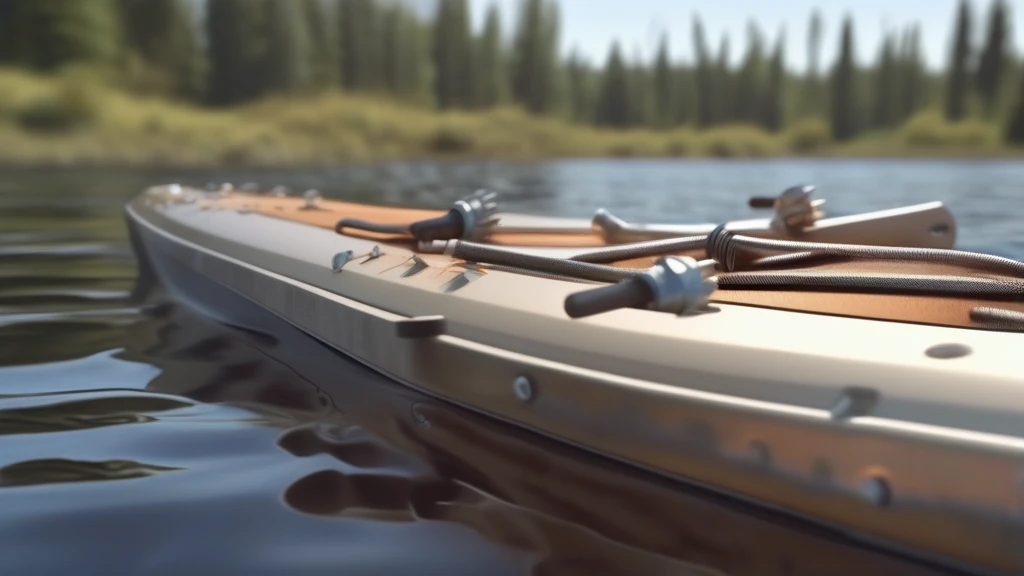
Boating and rafting enthusiasts know that the right hardware can make all the difference in safety, performance, and durability. Whether you’re outfitting a kayak for a weekend paddle or maintaining a canoe for serious adventure, fastening systems like clips, screws, and bolts are essential components. These small but mighty items secure your gear, replace worn parts, and keep your watercraft in top condition through every outing.
This guide breaks down everything you need to know about fastening systems in the boating world—from material choices and installation tips to maintenance advice and safety considerations. Whether you’re a beginner or a seasoned paddler, understanding these hardware essentials will help you make smart decisions for your watercraft.
Why Fastening Systems Matter for Boaters
Fastening systems serve as the backbone of your boat’s hardware setup. They secure handles, mounting brackets, gear attachments, and repair patches, ensuring that everything stays firmly in place even in challenging water conditions.
Key Roles of Clips, Screws, and Bolts
- Secure attachments: Clips and bolts fasten accessories like rod holders, seat mounts, and storage racks.
- Enable repairs: Screws and bolts are vital for replacing damaged components such as handles or hinges.
- Enhance safety: Properly installed fasteners prevent unexpected detachment or gear loss on the water.
- Improve customization: Fastening systems allow paddlers to tailor their boats with modular components.
Given their critical function, choosing the right type and material of fasteners directly impacts your boating experience.
Materials Matter: Choosing the Best Clips, Screws, and Bolts
When selecting fastening hardware for kayaks and canoes, material durability and corrosion resistance are paramount due to constant exposure to water and UV rays.
Common Materials and Their Benefits
| Material | Advantages | Considerations |
|---|---|---|
| Stainless Steel | Highly corrosion-resistant, strong, long-lasting | Heavier; can corrode in saltwater if low-grade |
| Anodized Aluminum | Lightweight, corrosion-resistant, good strength | Softer than steel; can wear over time |
| High-Impact Nylon/Composite Plastics | Lightweight, non-corrosive, UV resistant | Not as strong as metal; best for low-stress applications |
| Marine-Grade Silicone Sealants | Waterproof, flexible, eco-friendly sealant | Used for sealing rather than fastening |
Why Corrosion Resistance Is Critical
Saltwater and freshwater environments accelerate rust and degradation of metal fasteners. Opting for marine-grade stainless steel or anodized aluminum ensures longevity and reliability. For non-metal applications, UV-resistant composite plastics and nylon offer excellent weatherproofing without adding weight.
Types of Fastening Systems and Their Applications
Understanding the differences between clips, screws, and bolts helps in selecting the right system for specific boating needs.
Clips
- Use cases: Quick attachments for securing gear, mounting accessories, or tethering equipment.
- Features: Often made from stainless steel or reinforced plastics; may include quick-release mechanisms.
- Benefits: Easy to operate, lightweight, and ideal for adjustable or temporary fixtures.
Screws
- Use cases: Replacing or installing handles, hinges, or hardware requiring threaded fastening.
- Features: Marine-grade screws often feature self-tapping threads and corrosion-resistant coatings.
- Benefits: Provide a tight, permanent hold; available in various lengths and thicknesses to suit specific materials.
Bolts
- Use cases: High-strength connections such as mounting brackets or securing structural components.
- Features: Typically paired with nuts and washers; made from stainless steel or anodized aluminum.
- Benefits: Offer superior load-bearing capacity and durability; useful for heavy-duty hardware.
Step-by-Step Installation Tips for Boaters
Proper installation ensures fastening systems perform reliably and safely on the water.
Preparing the Surface
- Clean the area — Remove dirt, salt residues, and old sealant using marine-safe cleaners.
- Dry thoroughly — Ensure surfaces are completely dry to promote strong adhesion and prevent moisture trapping.
- Check alignment — Mark mounting points carefully to align hardware precisely.
Installing Screws and Bolts
- Pre-drill holes — Use a drill bit slightly smaller than the screw or bolt diameter to prevent material splitting.
- Apply sealant — Marine-grade silicone or waterproof sealant around holes prevents water ingress.
- Insert hardware — Use appropriate tools to tighten screws or bolts without over-torquing, which can strip threads or crack composites.
- Secure with washers and nuts — For bolts, washers distribute pressure evenly and nuts lock the connection.
Attaching Clips
- Ensure clips snap securely and test quick-release functions.
- Check for any sharp edges that could damage ropes or gear.
- Use non-slip pads or coatings on clip bases to reduce vibration and wear.
Maintenance and Safety Considerations
Regular inspection and upkeep of fastening systems extend their lifespan and enhance safety on the water.
Seasonal Maintenance Checklist
- Inspect for corrosion or wear: Replace any hardware showing rust, cracks, or deformation.
- Retighten loose fasteners: Vibrations and impacts can loosen screws and bolts over time.
- Clean and lubricate moving parts: Use marine-grade lubricants on hinges and clips to prevent sticking.
- Apply UV protectant: For plastic clips and nylon straps, use UV-resistant sprays to prevent material degradation.
Emergency Repair Tips
- Carry a compact repair kit with spare screws, bolts, clips, sealant, and a screwdriver or multi-tool.
- Use quick-release straps or clamps for temporary fixes to secure loose parts.
- Seal any hull punctures promptly with marine-grade sealants to prevent water ingress.
Eco-Friendly and Certified Hardware: Why It Matters
Many boating fastening systems today emphasize environmental responsibility alongside performance. Choosing eco-friendly, biodegradable, and non-toxic materials helps preserve waterways and aquatic life.
Certifications to Look For
- ISO and TÜV: Indicate compliance with international quality and safety standards.
- Marine Safety Ratings: Ensure products meet durability and safety benchmarks for watercraft.
- Environmental Certifications: Guarantee materials are sustainably sourced and free from harmful chemicals.
By prioritizing certified products, paddlers support sustainable boating practices while enjoying reliable hardware.
Conclusion
Fastening systems—clips, screws, and bolts—are vital components that keep your kayak or canoe safe, functional, and customized for your paddling adventures. Selecting the right materials and hardware type, following proper installation steps, and committing to regular maintenance ensures maximum durability and performance.
Whether you’re mounting gear, repairing handles, or securing essential accessories, understanding these fastening essentials empowers you to make informed choices. Embracing eco-friendly, certified hardware also helps protect the waterways we all cherish.
With the right knowledge and tools, you can confidently maintain and upgrade your watercraft’s fastening systems, enhancing every excursion on the water.