
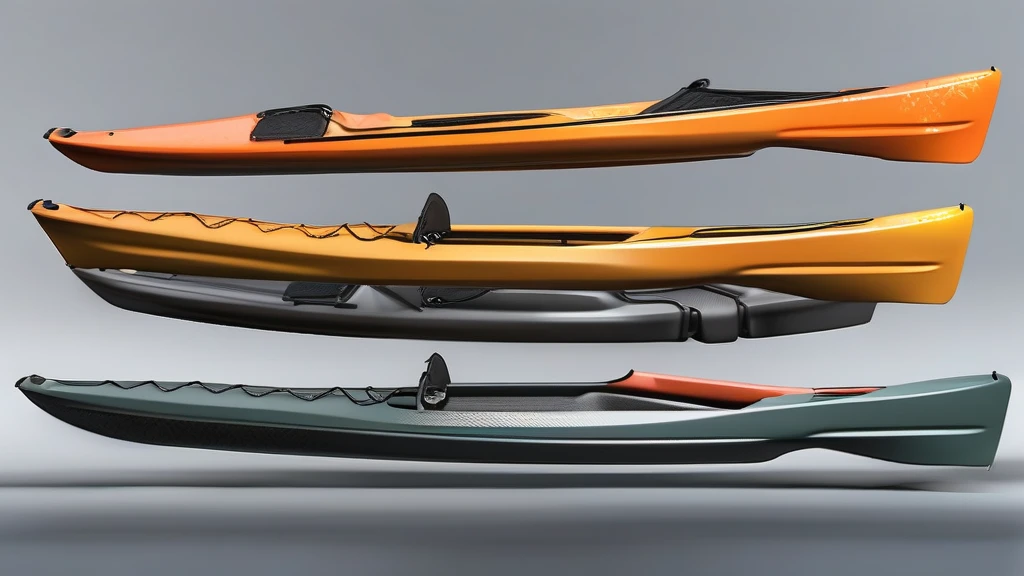
Folding kayaks have revolutionized the way boating and water sports enthusiasts enjoy their adventures. Combining portability, ease of storage, and robust performance, they offer a flexible option for paddlers who value convenience without compromising quality. A critical component that shapes the overall experience and durability of a folding kayak is the material used in its construction. Among the most popular choices are polycarbonate, carbon fiber, and PVC. This guide explores these materials in detail to help you make an informed decision tailored to your paddling needs.
Understanding Folding Kayak Construction
Before diving into material specifics, it's essential to understand how folding kayaks are built. Unlike traditional rigid kayaks, folding kayaks consist of a collapsible frame (usually made of marine-grade aluminum or carbon fiber rods) paired with a skin or shell crafted from durable materials. This design allows the kayak to fold down into a compact form, often fitting into a backpack or roller bag, making it ideal for travel and storage in small spaces.
The choice of skin or shell material directly impacts the kayak’s weight, durability, performance, and maintenance requirements. Let’s explore the characteristics of polycarbonate, carbon fiber, and PVC to see how they compare.
Polycarbonate: The Durable and Impact-Resistant Option
What is Polycarbonate?
Polycarbonate is a type of thermoplastic known for its high impact resistance and toughness. It’s commonly used in safety equipment like helmets and bulletproof glass, which speaks to its durability.
Benefits for Folding Kayaks
- Strength and Impact Resistance: Polycarbonate shells provide excellent protection against scrapes, bumps, and impacts with rocks or debris, making them suitable for rougher water conditions.
- Lightweight: Although not as light as carbon fiber, polycarbonate offers a good balance of weight and strength, keeping the kayak manageable for transport.
- UV Resistance: Polycarbonate resists degradation from sunlight, helping maintain the kayak’s integrity over time.
- Low Maintenance: The material is easy to clean and does not require special treatments to stay waterproof.
Considerations
- Cost: Polycarbonate kayaks tend to be more expensive than PVC models but generally less costly than carbon fiber versions.
- Flexibility: While durable, polycarbonate shells are rigid and less flexible than fabric skins, which means the folding mechanism is often more complex and might add to assembly time.
Ideal For
Recreational paddlers who want a tough, low-maintenance kayak that can withstand occasional rough handling and varied water conditions, including choppy rivers and rocky shorelines.
Carbon Fiber: The Premium Lightweight Performer
What is Carbon Fiber?
Carbon fiber is a composite material made of thin, strong crystalline filaments of carbon woven and bonded with resin. It’s prized for its exceptional strength-to-weight ratio and stiffness.
Benefits for Folding Kayaks
- Ultra-Lightweight: Carbon fiber significantly reduces the overall kayak weight, making it easier to carry and faster on the water.
- High Performance: The stiffness of carbon fiber enhances responsiveness and speed, appealing to experienced paddlers and performance enthusiasts.
- Durability: Despite being lightweight, carbon fiber is incredibly strong and resistant to fatigue, ensuring long-lasting use.
- Aesthetic Appeal: Carbon fiber kayaks often feature a sleek, modern finish.
Considerations
- Cost: Carbon fiber is among the most expensive materials in folding kayak construction, reflecting its premium status.
- Fragility to Sharp Impacts: While strong, carbon fiber can be susceptible to cracking or splintering if subjected to sharp, direct impacts.
- Assembly Complexity: Carbon fiber frames may require careful handling during assembly and disassembly to avoid damage.
Ideal For
Advanced kayakers and performance-focused users who prioritize speed, agility, and portability, especially those tackling calm lakes, coastal waters, or technical river runs where weight savings translate to better control.
PVC: The Versatile and Affordable Fabric Skin
What is PVC?
Polyvinyl Chloride (PVC) is a synthetic plastic polymer often used in double-wall fabric skins for folding kayaks. These fabrics are coated to be waterproof, tough, and flexible.
Benefits for Folding Kayaks
- Flexibility: PVC fabric skins allow for easier folding and compact storage, making assembly quicker and more intuitive.
- Cost-Effective: PVC kayaks are generally more affordable, appealing to beginners and budget-conscious paddlers.
- Repairability: Small tears or punctures in PVC fabric can often be repaired with patch kits, increasing the kayak’s lifespan.
- Lightweight: While slightly heavier than carbon fiber skins, PVC fabrics remain lightweight and easy to transport.
Considerations
- Durability: Although tough, PVC fabrics can be vulnerable to abrasions and sharp objects, requiring cautious handling in rocky environments.
- UV Sensitivity: Prolonged exposure to sunlight can degrade PVC over time, so storage out of direct sun is recommended.
- Water Absorption: High-quality PVC fabrics are waterproof, but lower-grade materials might absorb water or develop leaks if damaged.
Ideal For
Casual paddlers, beginners, and those seeking a budget-friendly, easy-to-use folding kayak for calm lakes, gentle rivers, or occasional coastal excursions.
Comparing Materials: Which One is Right for You?
| Feature | Polycarbonate | Carbon Fiber | PVC Fabric |
|---|---|---|---|
| Weight | Moderate | Very Light | Light |
| Durability | High (impact resistant) | High (stiff but brittle) | Moderate (flexible but less abrasion resistant) |
| Cost | Moderate | High | Low to Moderate |
| UV Resistance | Excellent | Good | Moderate |
| Maintenance | Low | Moderate (handle with care) | Moderate (repairable) |
| Assembly | Moderate complexity | More complex | Easy |
| Performance | Balanced | High performance | Recreational |
Additional Factors to Consider
Water Conditions and Usage
- For rough or rocky waters, polycarbonate offers superior protection.
- For speed and maneuverability on calmer waters, carbon fiber excels.
- For casual paddling and ease of use, PVC is a reliable choice.
Portability and Storage
If you frequently travel or have limited storage space, the lightweight nature of carbon fiber and PVC kayaks makes them attractive options. Polycarbonate models, while slightly heavier, still fold compactly and often come with convenient carrying cases.
Safety Certifications and Warranties
Look for folding kayaks certified by recognized bodies such as ISO, CE, or the US Coast Guard. Material quality often reflects in warranty length—carbon fiber kayaks may offer limited warranties due to cost, whereas PVC and polycarbonate models might come with broader coverage.
Conclusion
Choosing the right folding kayak material depends on your paddling style, water conditions, budget, and portability needs. Polycarbonate offers rugged durability for adventurous conditions, carbon fiber delivers top-tier performance for serious paddlers, and PVC provides an accessible entry point for beginners and recreational users. By understanding the strengths and trade-offs of each material, you can confidently select a folding kayak that enhances your outdoor water adventures with convenience, safety, and lasting enjoyment.