
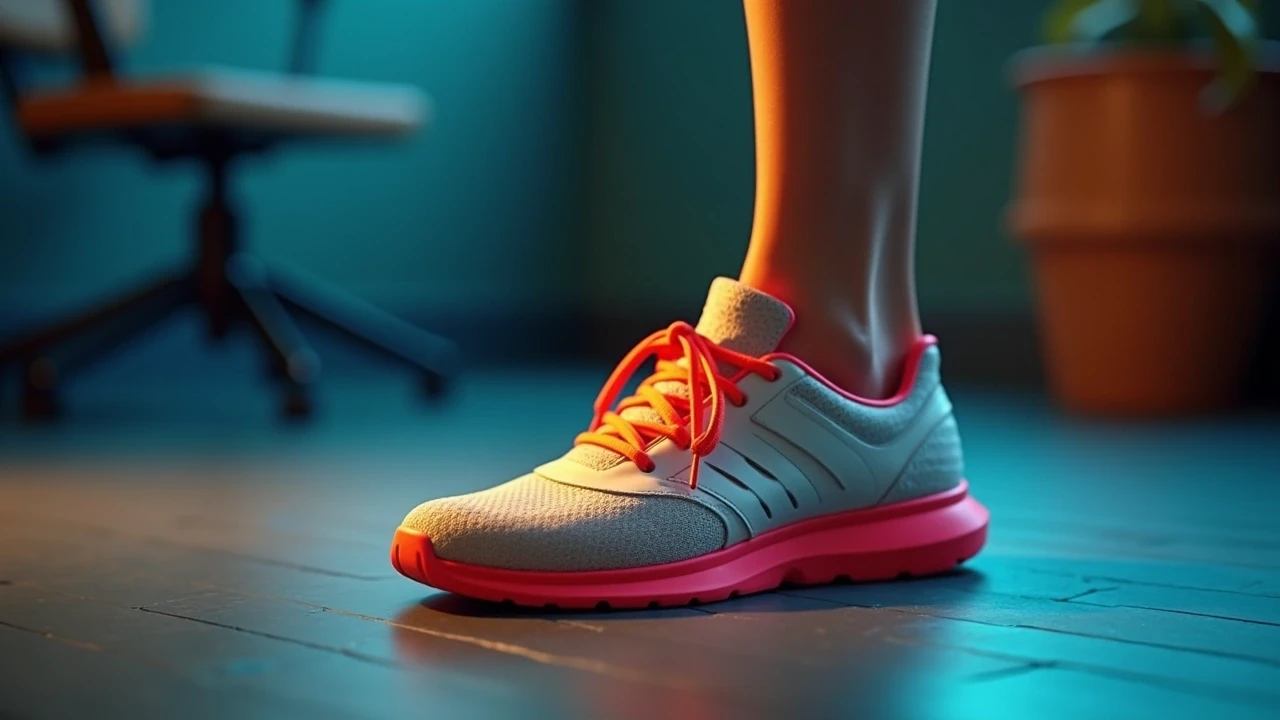
In today’s fast-paced world, footwear is no longer just about style—it plays a crucial role in our overall comfort, foot health, and even performance across diverse activities. Whether you’re hitting the beach, navigating urban streets, or simply running errands, understanding the ergonomics behind your shoes can profoundly enhance your daily comfort and long-term foot wellness.
This guide delves into the essentials of footwear ergonomics, focusing on modern designs in water shoes, urban sneakers, and casual slip-ons. By unpacking how ergonomic features work, you’ll be better equipped to select shoes that provide the ideal blend of support, functionality, and style.
What Is Footwear Ergonomics and Why Does It Matter?
Footwear ergonomics is the science of designing shoes that optimize the natural movement, comfort, and health of your feet. Ergonomic shoes aim to reduce strain, prevent injury, and accommodate the unique contours of the foot by incorporating thoughtful design elements such as arch support, cushioning, and flexible soles.
Poorly designed footwear can lead to discomfort, fatigue, and in some cases more serious issues like plantar fasciitis, bunions, or joint pain. Conversely, ergonomic footwear supports your foot’s natural biomechanics, helping distribute pressure evenly and promoting better posture.
Key Ergonomic Features Across Modern Footwear Categories
Modern footwear, especially in active lifestyle segments like water shoes, urban sneakers, and casual slip-ons, incorporates advanced ergonomic elements. Here’s what to look for and why they matter:
1. Arch Support: The Foundation of Foot Comfort
Your foot’s arch acts like a natural shock absorber and stabilizer. Ergonomic shoes often feature built-in arch support crafted from cushioned or molded materials that conform to the foot’s shape. This helps:
- Reduce fatigue during long periods of standing or walking
- Prevent overpronation (inward rolling of the foot) or supination (outward rolling)
- Alleviate stress on ankles, knees, and lower back
Arch support is particularly crucial in urban sneakers designed for all-day wear and water shoes where uneven terrain demands stability.
2. Cushioned Insoles and Shock Absorption
Comfortable footwear includes insoles made from materials such as eco-friendly EVA foam that absorb impact forces. This cushioning:
- Protects joints from repetitive stress
- Enhances comfort on hard surfaces like concrete or rocky trails
- Improves overall foot support during high-impact activities
Look for removable and replaceable insoles to customize your comfort further.
3. Flexible Soles for Natural Movement
Stiff soles can restrict the foot’s natural flexion, leading to discomfort and inefficient gait. Ergonomic shoes use flexible soles that:
- Support the foot’s natural bending and torsion during movement
- Provide traction without sacrificing mobility
- Encourage a more natural stride, reducing muscle strain
Water shoes and barefoot-style designs often emphasize sole flexibility to adapt to varied outdoor environments.
4. Breathability and Moisture Management
Footwear ergonomics also means maintaining a healthy foot environment. Breathable fabrics like quick-dry polyester and neoprene, combined with ventilation systems, help:
- Prevent overheating and excessive sweating
- Reduce the risk of blisters and fungal infections
- Keep feet dry and comfortable during aquatic or urban activities
For water shoes, specialized drainage systems allow fast water escape, enhancing comfort during transitions between wet and dry conditions.
5. Adjustable Closures for Personalized Fit
No two feet are the same size or shape, so adjustable closures such as lace-ups, Velcro straps, or quick-toggle systems are essential. These features:
- Enable a snug, customized fit
- Prevent slipping or tight spots that cause discomfort
- Allow quick adjustments on the go for changing activity levels
This adaptability is especially important for casual slip-ons and urban sneakers where convenience meets support.
Ergonomic Considerations for Different Footwear Types
Water Shoes and Barefoot Shoes
Designed for aquatic environments and rugged outdoor terrains, these shoes prioritize protection without compromising flexibility. Ergonomic highlights include:
- Reinforced toe caps to shield against rocks and debris
- Non-slip soles with excellent grip on wet surfaces
- Quick-drying and drainage features to prevent sogginess
- Minimalist, flexible sole designs to mimic barefoot movement safely
Such ergonomic choices protect your feet during hiking, paddleboarding, or surfing, while maintaining natural motion and comfort.
Urban Sneakers and High-Tops
Urban footwear blends style with function, targeting those who move through city landscapes or enjoy athleisure fashion. Key ergonomic traits are:
- Arch support and cushioned midsoles for shock absorption during walking or skateboarding
- Durable, weather-resistant materials that withstand daily wear
- Breathable fabrics with ventilation to keep feet cool
- Adjustable laces or toggles for secure fit and stability
These features ensure comfort and foot health during long commutes, social outings, or casual sports.
Casual Slip-Ons and Low-Tops
Ideal for everyday wear, these shoes emphasize convenience and lightweight comfort. Ergonomic benefits include:
- Elastic or Velcro closures for easy on/off without sacrificing fit
- Breathable, stretchable fabrics that accommodate foot shape changes throughout the day
- Soft cushioned insoles to reduce pressure points
- Flexible soles for natural walking patterns
Slip-ons are perfect for travel, errands, or relaxed weekends where ease and comfort are paramount.
Sustainability: Ergonomics with an Eco-Conscious Edge
Modern footwear ergonomics doesn’t just focus on comfort—it also embraces environmental responsibility. Many shoes in these categories use:
- Recyclable synthetic fabrics and foams
- Low-impact manufacturing processes that reduce carbon footprint
- Non-toxic coatings to protect materials and users alike
Choosing ergonomically designed footwear with sustainable components supports both your well-being and the planet, aligning comfort with conscious consumerism.
Tips for Choosing Ergonomic Footwear That Fits Your Lifestyle
- Identify your primary activities: Whether it’s water sports, urban commuting, or casual wear, select shoes designed with ergonomic features tailored to your needs.
- Assess fit carefully: Try shoes on later in the day when your feet are naturally swollen to get the most accurate fit. Prioritize adjustable closures for a personalized feel.
- Focus on arch support: Even if you don’t have high arches or flat feet, support can prevent fatigue and discomfort.
- Pay attention to sole flexibility: Ensure your shoes allow natural foot movement without compromising protection or grip.
- Consider breathability: Select materials and designs that manage moisture to keep feet dry and healthy.
- Factor in sustainability: Opt for brands embracing eco-friendly materials and practices to reduce environmental impact.
Conclusion
Ergonomic footwear is a vital, yet often overlooked, component of everyday comfort and foot health. By understanding the science behind features like arch support, cushioning, flexibility, and breathable materials, you can make smarter choices that enhance your lifestyle—whether you’re exploring watery trails, cruising city streets, or enjoying casual outings.
Investing in ergonomically designed shoes not only improves how your feet feel throughout the day but also supports long-term wellness and environmental sustainability. Next time you shop for water shoes, urban sneakers, or slip-ons, keep these ergonomic principles in mind to step confidently into comfort and support.