
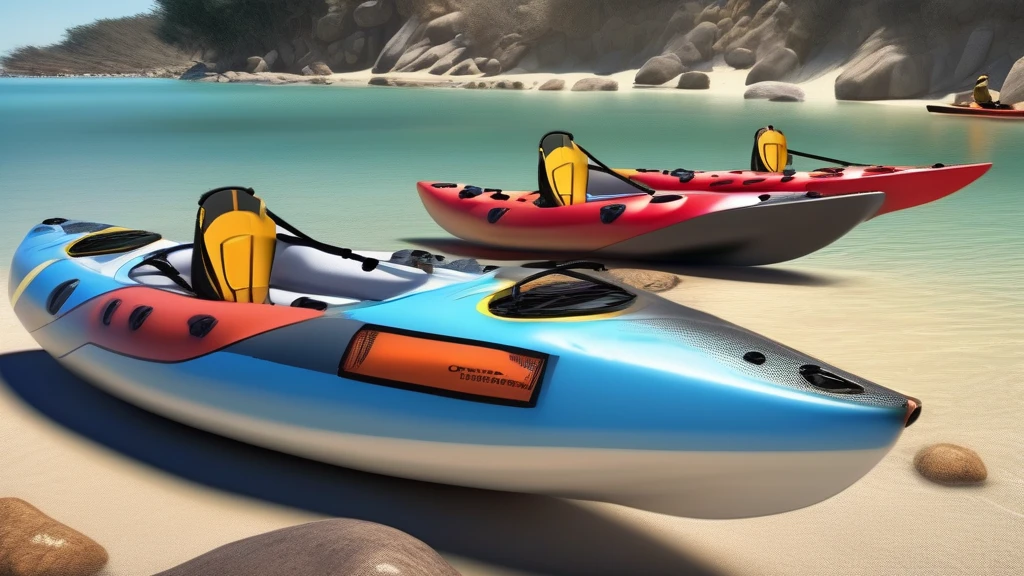
When it comes to choosing a whitewater touring kayak, one of the most important decisions revolves around the material from which the kayak is constructed. The choice of material impacts everything from weight and durability to maneuverability and overall performance on the water. Among the most popular materials for high-performance sea and touring kayaks are carbon fiber, Kevlar, and fiberglass. Each offers distinct advantages and trade-offs, making it essential to understand their characteristics before investing in a kayak designed for coastal exploration, tidal navigation, or long-distance paddling.
In this guide, we’ll explore these three materials in detail, helping you make an informed decision that aligns with your paddling style, fitness goals, and the conditions you most often encounter.
Understanding the Role of Kayak Materials in Whitewater Touring
Whitewater touring kayaks, despite their category name, are often optimized for stability, speed, and endurance in coastal, tidal, and open ocean environments rather than rapid river rapids. This means kayaks need to be lightweight for efficient paddling, durable enough to handle rocky shorelines and occasional impacts, and comfortable for extended use.
The material used in the kayak’s construction directly affects:
- Weight and Portability: Critical for carrying, loading on vehicles, and maneuvering both on and off the water.
- Durability and Impact Resistance: Important for protection against rocks, debris, and general wear.
- Performance: Including stiffness for efficient power transfer and hull responsiveness.
- Maintenance and Longevity: Resistance to UV rays, saltwater corrosion, and ease of repair.
Let’s break down how carbon fiber, Kevlar, and fiberglass fit into these factors.
Carbon Fiber Kayaks: The Pinnacle of Lightweight Performance
What Is Carbon Fiber?
Carbon fiber kayaks are made from woven strands of carbon bonded with resin. This composite material is renowned for its exceptional strength-to-weight ratio and stiffness.
Advantages
- Ultra-Lightweight: Carbon fiber kayaks are among the lightest on the market, often weighing significantly less than fiberglass or Kevlar counterparts. This reduces fatigue during portages and makes loading/unloading easier.
- Superior Stiffness: The rigidity of carbon fiber enhances paddling efficiency by ensuring maximum energy transfer from your strokes to forward movement.
- High Performance: Ideal for fitness paddlers and serious touring enthusiasts who prioritize speed and responsiveness.
- Sleek Design: Carbon fiber allows for precise shaping and smooth finishes, contributing to better hydrodynamics.
Considerations
- Cost: Carbon fiber kayaks tend to be the most expensive due to material and manufacturing complexity.
- Durability: While strong, carbon fiber is more brittle than Kevlar and fiberglass, meaning impacts can cause cracks or delamination rather than dents.
- Repairability: Repairs can be complex and costly, often requiring specialist materials and skills.
Best Use Cases
- Paddlers focused on long-distance touring and fitness training who value speed and light weight.
- Situations where frequent portaging or transport is required.
- Experienced kayakers seeking high-performance coastal and tidal watercraft.
Kevlar Kayaks: The Balance of Strength and Weight
What Is Kevlar?
Kevlar is a strong synthetic fiber known for its use in bulletproof vests and protective gear. In kayak construction, Kevlar is woven into layers and combined with resin to create a tough, lightweight shell.
Advantages
- Lightweight Yet Durable: Kevlar kayaks are lighter than fiberglass but generally tougher, offering excellent impact resistance.
- Flexibility: Kevlar’s slight flexibility helps absorb shocks, reducing the risk of cracking from collisions with rocks or debris.
- Good UV Resistance: Kevlar composites typically have good resistance to sun damage, helping extend kayak lifespan.
- Moderate Cost: Usually less expensive than carbon fiber but pricier than fiberglass.
Considerations
- Softer Surface: Kevlar kayaks may dent under heavy impact, but dents are often less severe than cracks.
- Maintenance: While resistant to UV, Kevlar still benefits from regular cleaning and protective coatings.
- Repair: Repairs are generally easier than carbon fiber but should still be handled by experienced technicians.
Best Use Cases
- Whitewater touring and coastal paddlers who need a lightweight kayak with enhanced durability.
- Adventures involving rocky shorelines or areas where minor impacts are common.
- Paddlers looking for a practical balance between performance and toughness.
Fiberglass Kayaks: Traditional Craftsmanship Meets Affordability
What Is Fiberglass?
Fiberglass kayaks are constructed from woven glass fibers embedded in resin. This method has been a staple in boat-building for decades.
Advantages
- Affordability: Fiberglass kayaks are often more budget-friendly than carbon fiber or Kevlar, making them an accessible option for many paddlers.
- Good Stiffness: Provides decent paddling performance and hull responsiveness.
- Ease of Repair: Fiberglass is easier to patch and repair compared to carbon fiber and Kevlar, with many DIY-friendly options.
- Durability: While less impact-resistant than Kevlar, fiberglass offers good resistance to dents and abrasion when cared for properly.
Considerations
- Heavier Weight: Fiberglass kayaks typically weigh more than carbon fiber and Kevlar, which may affect portability and fatigue on long journeys.
- Brittleness: More prone to cracking under hard impacts than Kevlar, requiring cautious handling.
- UV Sensitivity: Fiberglass can degrade over time due to sun exposure, so protective coatings or regular maintenance are important.
Best Use Cases
- Recreational and intermediate paddlers who want a durable kayak without a premium price tag.
- Coastal touring and lake expeditions where portability is less critical.
- Kayakers interested in easy repair and longevity with attentive care.
Choosing the Right Material for Your Kayaking Adventures
Assess Your Paddling Environment
- For long-distance coastal tours and fitness paddling, prioritize lightweight and stiff materials like carbon fiber.
- If your excursions involve rocky shorelines or variable tidal waters, Kevlar’s impact resistance offers peace of mind.
- For lake paddling and casual touring, fiberglass provides a solid balance of performance and value.
Consider Your Skill and Activity Level
- Experienced paddlers focused on speed and endurance may appreciate carbon fiber’s performance edge.
- Intermediate paddlers who want durability without sacrificing too much weight should lean toward Kevlar.
- Beginners or recreational users may prefer fiberglass for its affordability and repair friendliness.
Factor in Portability and Storage
Lightweight kayaks made from carbon fiber or Kevlar are easier to carry and transport, especially if you frequently load your kayak on vehicles or carry it over land. Fiberglass kayaks, being heavier, might require additional gear such as wheels or assistance.
Maintaining Your Kayak Material for Longevity
No matter which material you choose, proper maintenance is key:
- Rinse your kayak with fresh water after saltwater use to prevent corrosion and material degradation.
- Apply UV-resistant coatings or covers to protect against sun damage, especially for fiberglass kayaks.
- Inspect for damage regularly, addressing cracks, dents, or delamination promptly to prevent worsening.
- Store kayaks indoors or under shade when not in use, avoiding prolonged exposure to elements.
- Use appropriate carrying systems like padded shoulder straps or deck handles to minimize stress on the hull during transport.
Final Thoughts
Selecting the right kayak material for whitewater touring and coastal adventures involves balancing weight, durability, performance, and budget. Carbon fiber excels in lightweight speed and stiffness but comes at a premium and requires careful handling. Kevlar offers a versatile middle ground with excellent impact resistance and manageable weight. Fiberglass remains a reliable and affordable option for paddlers prioritizing value and ease of repair.
By understanding these materials and aligning their strengths with your paddling goals and environments, you can confidently choose a kayak that will enhance your touring experience, support your fitness ambitions, and stand up to the demands of open water exploration. Whether you’re navigating tidal estuaries, embarking on multi-day coastal expeditions, or enjoying serene lake paddling, the right kayak material is foundational to your adventure’s success.