
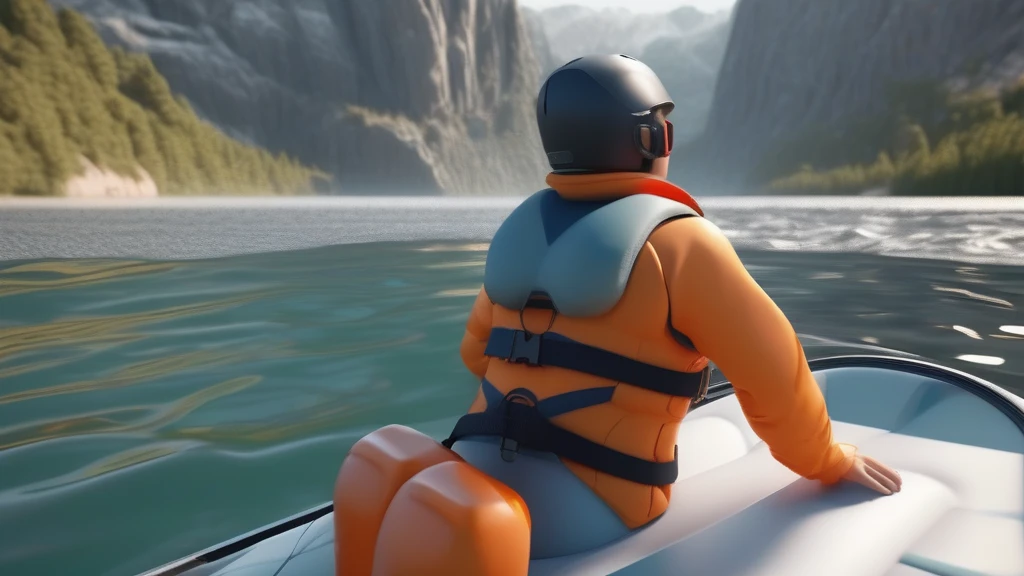
When it comes to boating and water sports, a life jacket is not just an accessory—it’s a critical safety device. But beyond just wearing any life jacket, the fit plays a pivotal role in ensuring both comfort and security. An ill-fitting life jacket can compromise your safety, reduce mobility, and even cause discomfort that discourages you from wearing it consistently. This guide explores how to find the perfect life jacket fit, why it matters, and practical tips to help you stay safe and comfortable on the water.
Why Proper Life Jacket Fit Matters
Life jackets, also known as personal flotation devices (PFDs), are designed to keep you afloat and your head above water in emergencies. However, if a life jacket is too loose, it may slip off or shift position, reducing its ability to keep you buoyant. Conversely, a jacket that is too tight can restrict movement, cause chafing, and become uncomfortable during extended wear.
A well-fitted life jacket ensures:
- Maximum buoyancy performance: Keeps you afloat reliably.
- Comfortable wear: Encourages consistent use during all water activities.
- Freedom of movement: Allows paddling, casting, or maneuvering without restriction.
- Enhanced safety features: Proper fit ensures reflective strips, whistles, and rescue handles are positioned correctly.
Understanding Life Jacket Types and Their Impact on Fit
The US Coast Guard classifies life jackets into five types, each designed for specific environments and activities. The fit considerations vary slightly among these types:
Type I (Offshore Life Jackets)
Designed for rough or remote waters, Type I jackets offer maximum buoyancy and are bulkier. Because of their size, ensuring a snug fit is essential to prevent the jacket from sliding up or around the body in turbulent water. Adjustable straps are common and should be tightened firmly but comfortably.
Type II (Near-Shore Buoyant Vests)
These provide moderate buoyancy and are less bulky than Type I. Their fit is generally more comfortable for near-shore activities but still requires careful sizing to avoid shifting in the water.
Type III (Recreational Vests)
Popular among kayakers, paddleboarders, and boaters, Type III life jackets prioritize comfort and mobility. Their slimmer profile means the fit should be closer to the body to maintain buoyancy effectiveness without sacrificing freedom of movement.
Type IV (Throwable Devices)
Not worn but thrown to a person in the water, Type IV devices don’t require fit considerations but should be readily accessible.
Type V (Specialized Use)
These are designed for specific activities, like water skiing or commercial fishing. Their fit often incorporates ergonomic designs and additional features, so sizing according to manufacturer guidelines is critical.
Key Fit Features to Consider When Choosing a Life Jacket
Adjustable Straps and Buckles
Look for life jackets with multiple adjustable points—typically around the waist, shoulders, and chest. Reinforced, quick-release buckles allow easy adjustments and secure fastening, accommodating different body shapes and clothing layers.
Proper Sizing
Always refer to the manufacturer’s size chart and measure your chest circumference and weight. Remember that layering clothing underneath, such as wetsuits or jackets, requires a slightly larger size or more adjustable straps.
Neck and Armhole Fit
Life jackets should fit closely around the neck without choking or restricting head movement. Armholes must be large enough to allow free movement but not so loose that the jacket rides up over your arms.
Length and Coverage
The jacket should cover your torso adequately without riding up over your hips. For children, life jackets often include crotch straps or harnesses to prevent the jacket from slipping off.
Trying on and Testing the Fit
Before purchasing or using a life jacket, try the following:
- Wear it with your typical water activity clothes: This ensures the fit matches your real-world conditions.
- Adjust all straps snugly: The jacket should feel secure but not constricting.
- Test mobility: Raise your arms, twist your torso, and simulate paddling or rowing motions.
- Perform a flotation test: If possible, try the jacket in shallow water under supervision to confirm it keeps your head above water and doesn’t shift.
Maintaining Your Life Jacket Fit Over Time
Life jackets can stretch, compress, or degrade with use, exposure to sun, saltwater, and temperature changes. To preserve fit and effectiveness:
- Regularly inspect straps and buckles for wear or damage.
- Check flotation material for signs of compression or deterioration.
- Store your life jacket in a cool, dry place away from direct sunlight and chemicals.
- Avoid machine washing unless specified; use mild soap and water instead.
- Re-adjust straps before each use to compensate for changes in clothing or body size.
Special Considerations for Children and Youth
Children require life jackets tailored for their size and weight to ensure both safety and comfort. Features like grab handles, crotch straps, and bright colors enhance security and visibility. Always select Coast Guard-approved jackets designed specifically for youth and verify the fit before every outing.
The Role of Innovative Materials and Sustainability in Fit
Modern life jackets often use lightweight, durable materials like ripstop nylon, polyester, and closed-cell foam that maintain shape and buoyancy without excessive bulk. Inflatable life jackets offer a slim profile but require a perfect fit to ensure the inflator functions correctly and that the jacket stays in position when inflated.
Eco-conscious consumers will also find life jackets made with recyclable foams and biodegradable coatings, offering performance without compromising environmental values. These materials often contribute to consistent fit retention and durability.
Conclusion: Fit Is the Foundation of Life Jacket Safety
Choosing the right life jacket involves more than selecting a type or style—it’s about achieving a secure, comfortable fit that matches your activity, body shape, and personal preferences. A well-fitted life jacket enhances your safety by providing reliable flotation, ease of movement, and confidence on the water. Whether you’re kayaking, fishing, sailing, or enjoying family water activities, investing time in finding and maintaining the perfect fit will pay off with peace of mind and enjoyment every time you hit the water.