
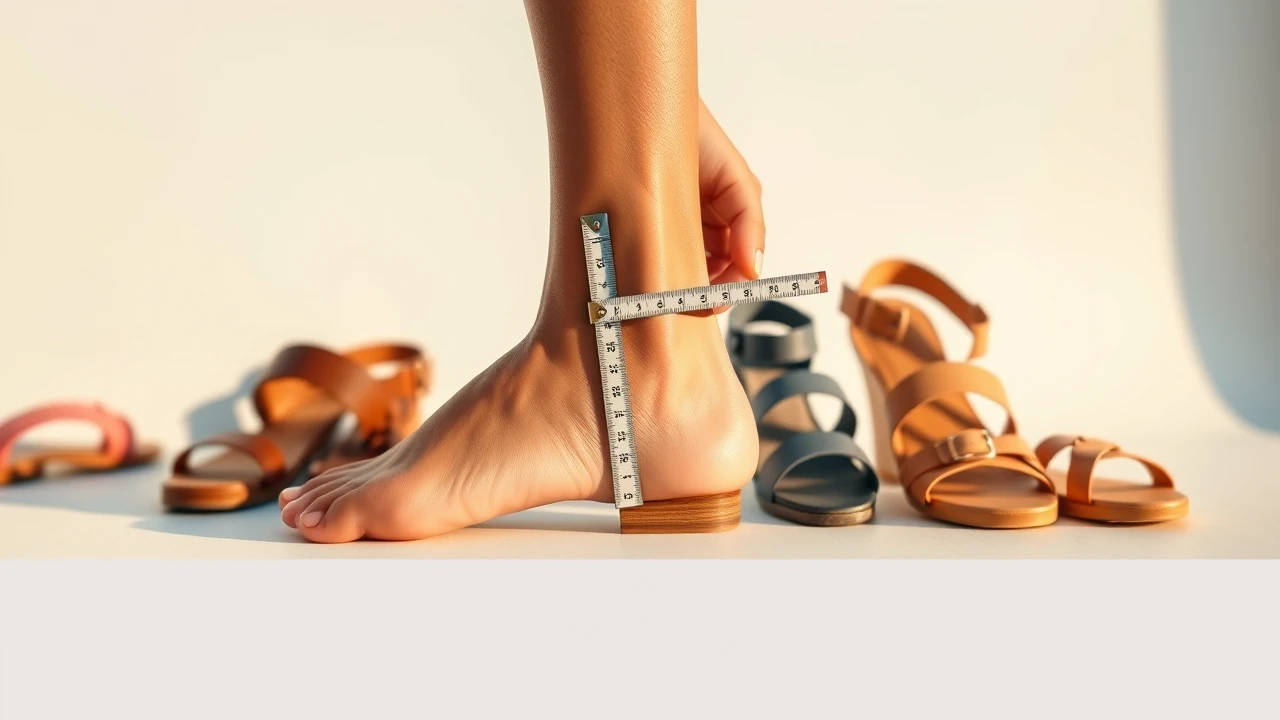
Choosing the right pair of sandals can make all the difference in comfort, support, and style—whether you’re lounging by the beach, exploring a new city, or hiking along rugged trails. But to truly enjoy your sandals, getting the perfect fit is essential. Ill-fitting sandals can lead to discomfort, blisters, and even foot problems over time.
This comprehensive sizing guide will walk you through everything you need to know to find your ideal sandal fit. From accurate measurement techniques and understanding size charts to recognizing different fit types and practical tips, you’ll be equipped to select sandals that feel like they were made just for you.
Why Proper Sandal Sizing Matters
Unlike closed shoes, sandals expose more of your foot and often incorporate adjustable straps, open toes, and flexible materials. While these design elements offer breathability and adaptability, they also mean that the sizing and fit dynamics can vary significantly across styles.
A well-fitted sandal should provide:
- Secure yet comfortable hold without pinching or slipping
- Adequate arch and heel support tailored to your foot’s shape
- Room for toe movement to prevent chafing or crowding
- Alignment with the sandal’s intended use, whether casual, hiking, or fashion
Getting the right size prevents common issues such as blisters from rubbing straps, foot fatigue from inadequate cushioning, or instability from loose fitting soles.
How to Measure Your Feet Accurately at Home
Before diving into size charts or trying on sandals, start with precise foot measurements. Keep in mind that your feet may slightly change size throughout the day due to swelling, so measure in the afternoon or evening for the most accurate results.
Step-by-Step Foot Measurement
- Prepare tools: You’ll need a blank sheet of paper, a pencil, a ruler or measuring tape, and a flat surface.
- Trace your foot: Place your foot firmly on the paper, wearing any socks you plan to use with the sandals (often, sandals are worn barefoot). Carefully trace around the entire foot, keeping the pencil perpendicular to the paper.
- Measure length: Using the ruler, measure the distance from the heel to the longest toe (usually the big toe or second toe). Record this in centimeters or inches.
- Measure width: Measure the widest part of your foot, typically across the ball area (just below the toes).
- Repeat for both feet: One foot is often slightly larger; use the larger measurement for sizing.
Additional Tips
- If you have high arches or wide feet, note this when selecting sandals, as many designs offer adjustable arch supports and variable widths.
- Measure both feet since some sandals are sized to accommodate asymmetry by choosing the larger foot size.
Understanding Sandal Size Charts and Conversions
Sandal sizes can vary not only by brand but also by region, with US, UK, and EU sizing standards. Many sandals use standard shoe sizing, but always check the specific size chart provided by the manufacturer or retailer.
Key Aspects of Size Charts
- Length Correspondence: Match your measured foot length to the size chart’s foot length range. For example, a foot measuring 25 cm might correspond to a US men’s size 7.5 or women’s size 9, depending on the chart.
- Width Options: Some sandals come in narrow, regular, and wide widths. Width measurements are less standardized but often indicated by letters (e.g., B for narrow, D for regular, E or EE for wide).
- Half Sizes: Many sandal models include half sizes to provide a more precise fit.
- Adjustability: Adjustable straps on the heel, instep, or forefoot can accommodate slight size variations.
Different Fit Types and Their Impact on Sizing
Sandals vary widely in design, and the intended fit type influences how you should size them.
1. Casual Flip-Flops and Slides
These typically have a minimal upper structure and rely on your foot’s natural grip. Because they have fewer adjustable points, it’s important to select a size that matches your foot length closely to avoid slipping.
- Fit Tip: Choose sandals that allow your toes to slightly overhang the edge to maximize comfort without causing trips.
- Materials: EVA foam footbeds with slight cushioning and non-slip soles enhance comfort and stability in casual styles.
2. Rugged Hiking and Sports Sandals
Designed for demanding outdoor activities, these sandals emphasize stability, arch support, and protective features such as closed toes or reinforced straps.
- Fit Tip: Opt for a snug fit that secures your heel and arch without restricting movement. Adjustable straps help customize fit to your foot’s shape.
- Materials: Look for sandals with quick-dry neoprene straps, waterproof synthetic leather, cushioned EVA midsoles, and non-slip rubber outsoles with impact resistance.
- Sizing Note: Some hiking sandals recommend sizing up if you plan to wear socks or to accommodate foot swelling during long hikes.
3. Gladiator and Heeled Fashion Sandals (Women)
Combining style and comfort, these sandals often feature multiple straps, adjustable buckles, and varying heel heights.
- Fit Tip: Since heel height can alter foot positioning, ensure the footbed provides ergonomic arch support and cushioning.
- Materials: Sustainable synthetic leather and breathable fabrics reduce chafing, while anti-odor treatments maintain freshness during extended wear.
- Sizing Note: Pay attention to strap placement and adjustability to avoid pressure points or loose fit.
4. Travel-Specific Foldable Sandals
Designed for portability, these lightweight sandals fold or collapse for convenience.
- Fit Tip: Prioritize a secure fit with adjustable straps, as foldable designs often use softer, flexible materials like EVA foam or recycled synthetics.
- Materials: Water-resistant and quick-dry fabrics make these ideal for variable climates.
- Sizing Note: Since these sandals are less bulky, consider your exact foot length and width to avoid slippage during active use.
Practical Tips for Getting the Right Sandal Size
Try On with the Intended Use in Mind
- Wear the sandals around the house or shop late in the day when your feet are naturally swollen.
- Test walking on different surfaces to ensure the sole’s traction and cushioning feel supportive.
- Check for any tightness or rubbing around the straps and toe areas.
Consider Foot Shape and Arch Type
- If you have flat feet, look for sandals with ergonomic arch support and cushioned footbeds.
- High-arched feet may require sandals with adjustable arch supports or contoured midsoles to distribute pressure evenly.
Adjustability Is Key
- Sandals with multiple adjustable straps allow fine-tuning of fit around the heel, ankle, and forefoot.
- Velcro or buckle options provide convenience and secure fit for varying foot volumes.
Allow for Toe Movement
- Ensure there is enough room for your toes to move naturally without hitting the sandal edges, especially in closed-toe designs.
- Open-toe sandals should neither pinch the toes nor be so loose that the foot slides forward.
Take Note of Material Behavior
- Materials such as neoprene and synthetic leather may stretch or conform slightly over time.
- EVA foam footbeds compress with wear, so an initially snug fit may become more comfortable after a break-in period.
Conclusion
Finding your perfect sandal fit goes beyond simply picking a number off a size chart. It involves careful measurement, understanding the unique fit characteristics of different sandal types, and considering your personal foot shape and intended use. Whether you’re searching for eco-friendly hiking sandals with waterproof quick-dry materials, fashion-forward heeled sandals with ergonomic arch support, or lightweight foldable travel sandals, this sizing guide equips you with the knowledge to make confident and comfortable choices.
By taking the time to measure accurately, appreciate design features like adjustable straps and cushioned footbeds, and test the fit in real-world conditions, you’ll enjoy sandals that support your feet beautifully—wherever your adventures take you.